Higher gas prices may cool Target shoppers, despite firmer confidence
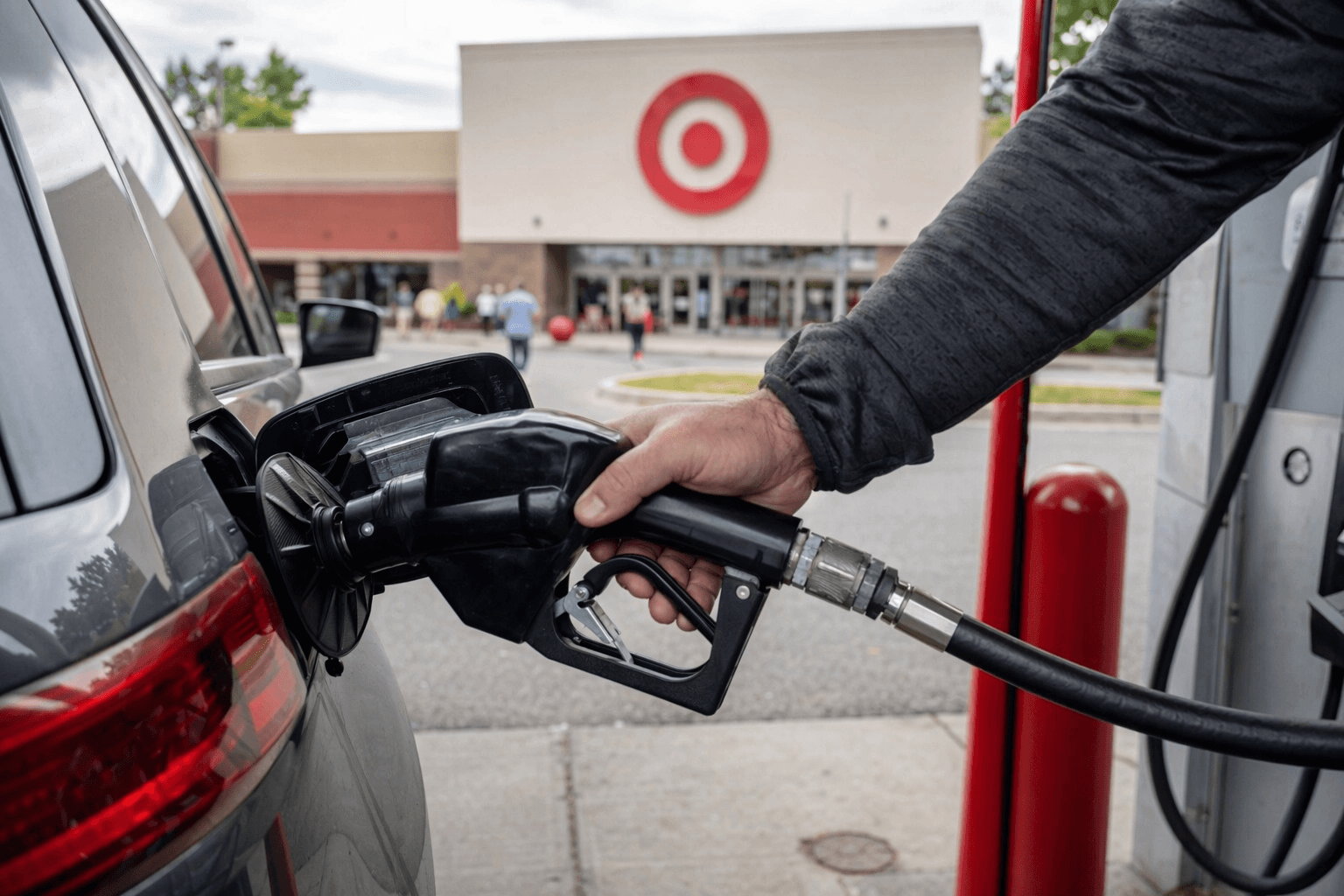
Higher gas prices are already pressuring Target baskets. The company is cutting prices on more than 3,000 items as shoppers trade down.

Which departments, tasks and guest interactions change when households feel squeezed by gas and everyday costs? At Target, the first signs usually show up in the basket: smaller add-ons at checkout, more trade-down to lower-priced options, and steadier demand for essentials than for discretionary buys.
The latest consumer data points to that kind of shopper. The Conference Board said its April Consumer Confidence Index edged up 0.6 points to 92.8 from 92.2 in March, but the Present Situation Index slipped 0.3 points to 123.8. That is firmer confidence without a full rebound, a mix that matters on the store floor because it suggests guests are still spending, just more carefully.
The survey also tracks buying intentions, vacation plans and expectations for inflation, stock prices and interest rates, which makes it a useful read on what may hit Target’s mix next. If fuel costs keep pressuring household budgets, guests are more likely to protect essentials first and delay or downgrade discretionary purchases in apparel, home and other softer categories. For team leads, that can mean more pressure on pricing, in-stocks and fast answers at the register when a guest is checking whether to keep an item or put it back.
Target has already moved toward that value message. In March 2026, the Minneapolis-based retailer said style, design and value were at the center of its decisions and described its core audience as digitally savvy, style-focused and value-conscious families. The company also said it would lower prices on more than 3,000 products spanning apparel, home goods and daily essentials, a sign that management sees value as part of the fight for traffic, not just a promotional talking point.
That shift comes with a real business backdrop. Target reported fourth-quarter 2025 net sales of $30.5 billion, with Food & Beverage, Beauty and Toys posting growth in the quarter. Michael Fiddelke has projected about 2% net sales growth in 2026 after three years of declines, alongside roughly $1 billion in investment for new stores, remodels and faster same-day delivery. For workers, the message is simple: if consumers tighten up, the jobs that matter most are the ones that keep basics full, prices visible and the shopping trip easy enough to finish.
This article was produced by Prism’s automated news system from verified source data, official records, and press releases, then run through automated quality and moderation checks before publishing. The system is built and supervised by the people who set the standards it runs under. Read our full AI policy.
Did this article answer your question?