Rising labor costs test Target's pay-leader strategy in retail
Rising labor costs could push Target to protect pay and benefits, but workers may feel the squeeze in tighter schedules and leaner staffing if the company offsets costs elsewhere.
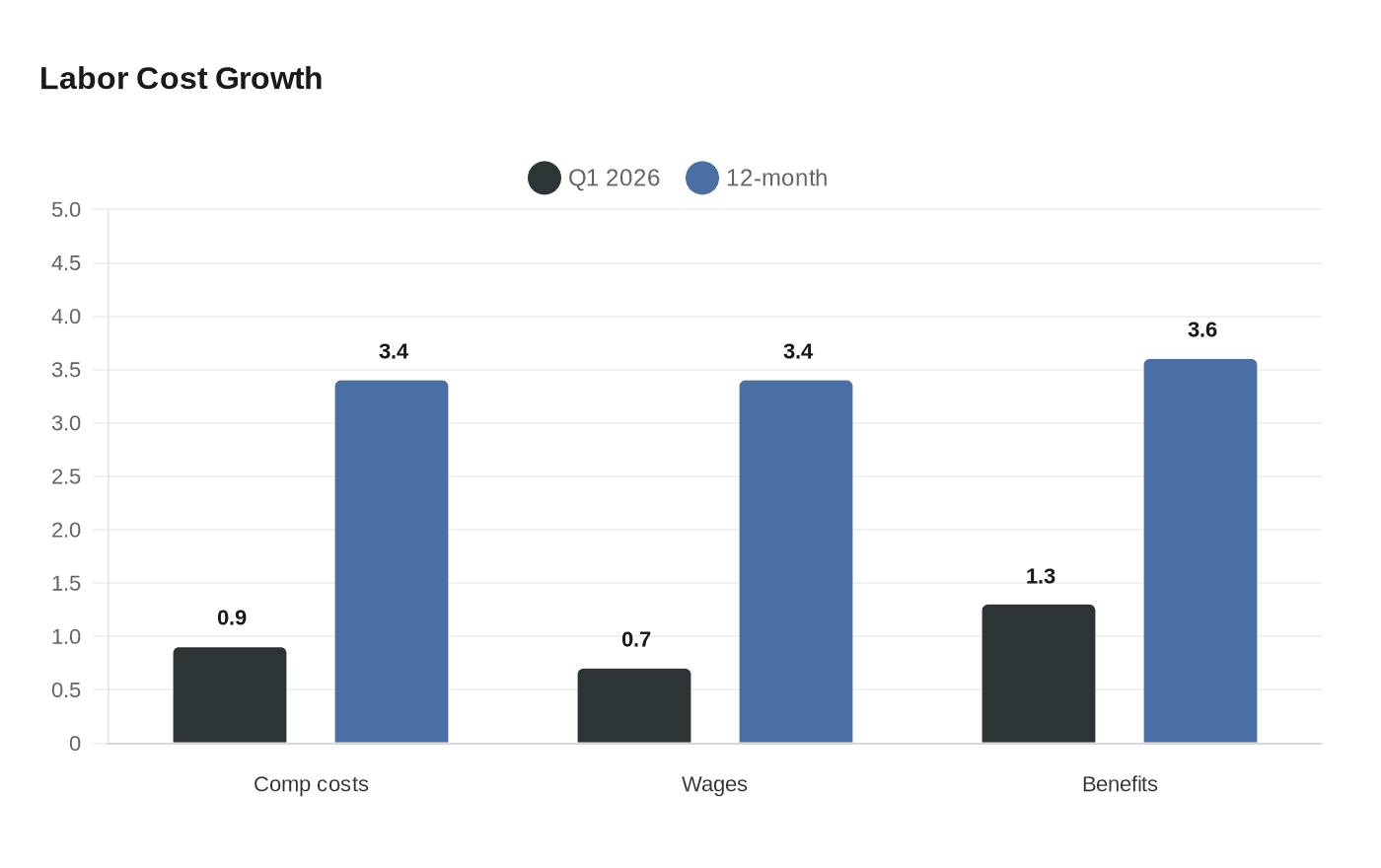
A bigger paycheck at Target could still come with fewer hours on the floor if the company keeps labor costs in check. The latest U.S. Bureau of Labor Statistics data show civilian compensation costs rose 0.9 percent in the first quarter of 2026 and 3.4 percent over the prior 12 months, a sign that wage and benefit pressure is still running hot for employers across the United States.
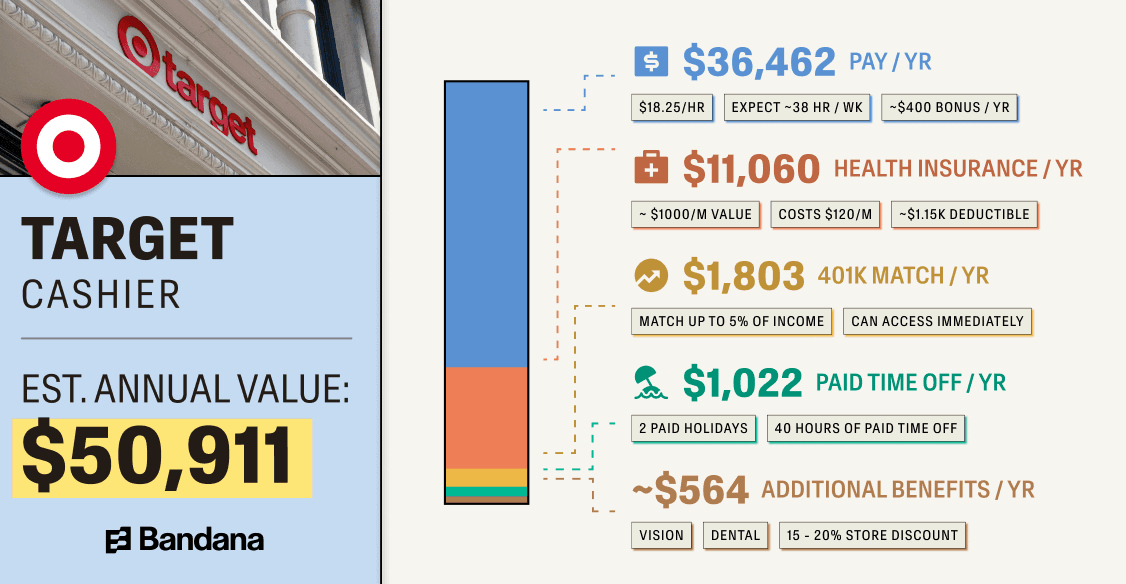
For Target, that matters because the Minneapolis retailer sells itself as a pay leader. Its public pay-and-benefits materials say most offerings are available on day one and include market-leading wages, insurance coverage, store discounts and education assistance. In its 2025 annual report, Target said U.S. hourly team members in stores and supply chain facilities start at $15 to $24 an hour, with a 401(k) plan that matches dollar for dollar up to 5 percent of eligible earnings, plus paid vacation, holidays and family leave.
The BLS numbers suggest the pressure is not limited to base pay. For private-industry workers, wages and salaries rose 0.7 percent in the quarter and 3.4 percent over the year, while benefit costs were up 1.3 percent in the quarter and 3.6 percent over the year. That means employers have to keep paying up not just to hire, but to hold onto experienced people who know the register, the back room and the pickup workflow.
Target’s own 2026 strategy points in that direction. On March 3, the company said it planned to increase payroll and training as part of a multi-year growth plan, along with more than $1 billion in additional capital spending and $1 billion in additional operating investments this year. The company said the moves would support store remodels, technology and supply-chain work, all of which depend on stable staffing.

For team members, the upside is straightforward: a company facing higher labor costs may keep leaning on wages, the 401(k) match and day-one benefits to stay competitive. That is where the paycheck story lives, especially for hourly workers watching whether Target keeps its wage floor near the current $15 to $24 range and whether benefit offerings remain rich enough to matter in hiring and retention.
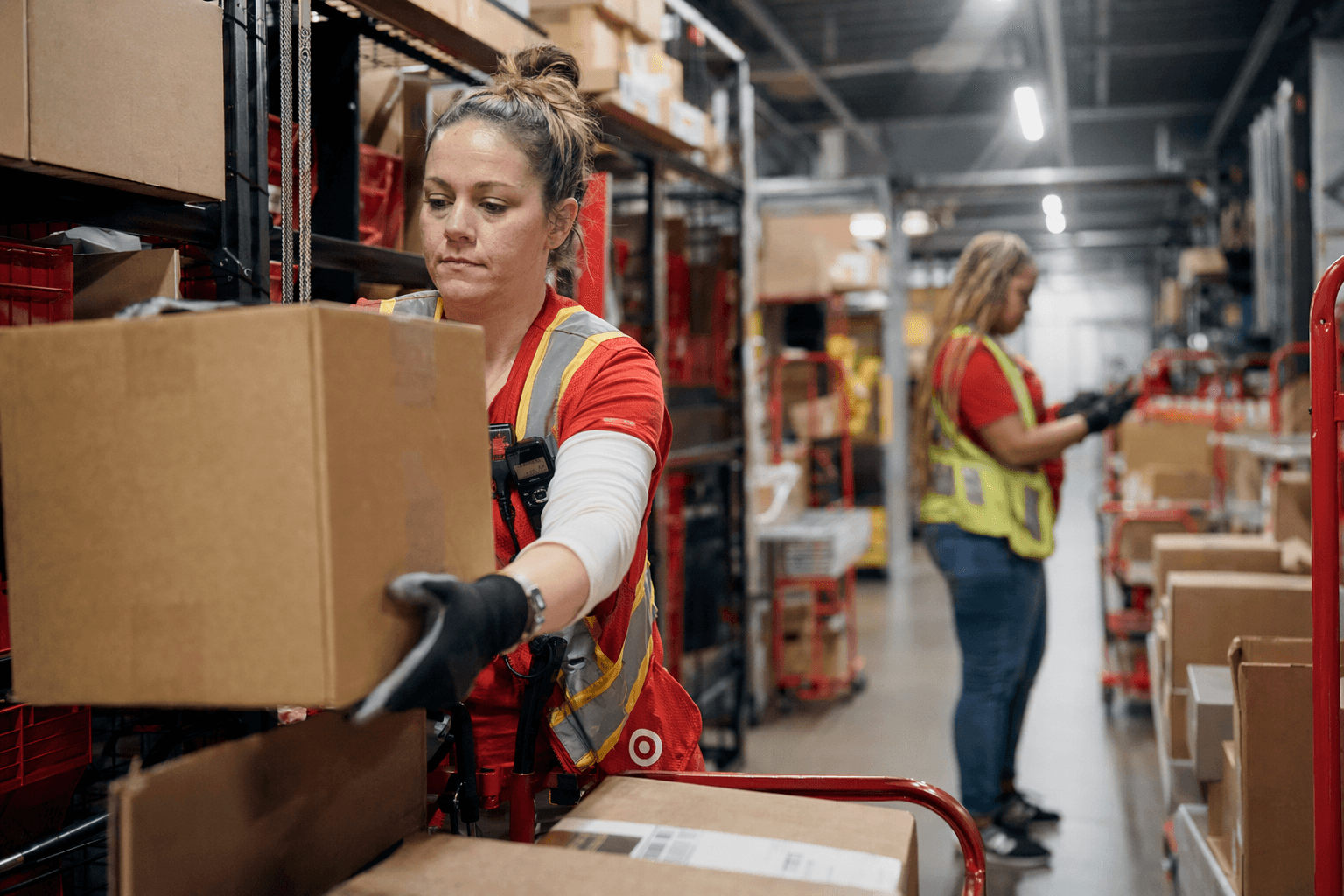
The risk is just as clear. If Target tries to protect margins elsewhere, stores can feel it in tighter scheduling, more pressure on team leads and executive team leaders, and less slack when callouts or rushes hit. That is especially important at a chain where stores handle the majority of digitally originated sales through Order Pickup, Drive Up and Shipt. In other words, the cost of labor is not only a finance line. It is the difference between a store that runs smoothly and one that asks a smaller crew to carry more of the load.
Know something we missed? Have a correction or additional information?
Submit a Tip