Shoppers mourn classic Target stores as chain launches major redesigns
Shoppers are grieving the old Target layout as the chain commits $5 billion to remodels, new stores and AI-backed changes that will reshape daily store work.
Every time a guest stops to ask where an item moved, the nostalgia for “old Target” becomes a floor-level problem. As shoppers post about the classic store feel they say has disappeared, Target is pushing ahead with a redesign campaign that will change floor plans, displays and the pace of work inside stores.
The company laid out the plan on March 3 under new chief executive Michael Fiddelke, after executive leadership changes were announced on Feb. 10 to support the growth strategy. Target said it would put an incremental $2 billion into 2026, including more than $1 billion in additional capital spending and $1 billion in additional operating investments, bringing total capital investment to about $5 billion for the year.
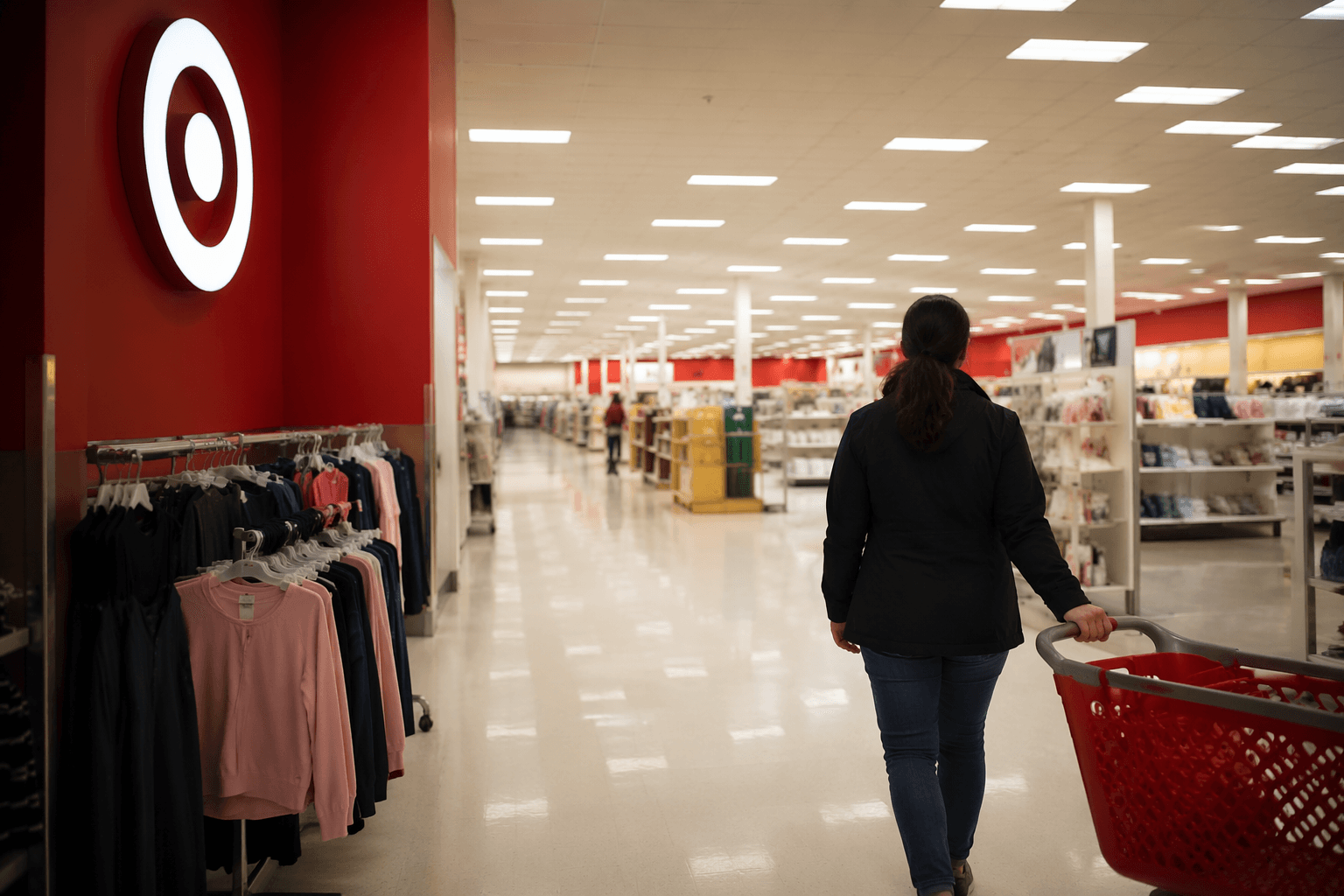
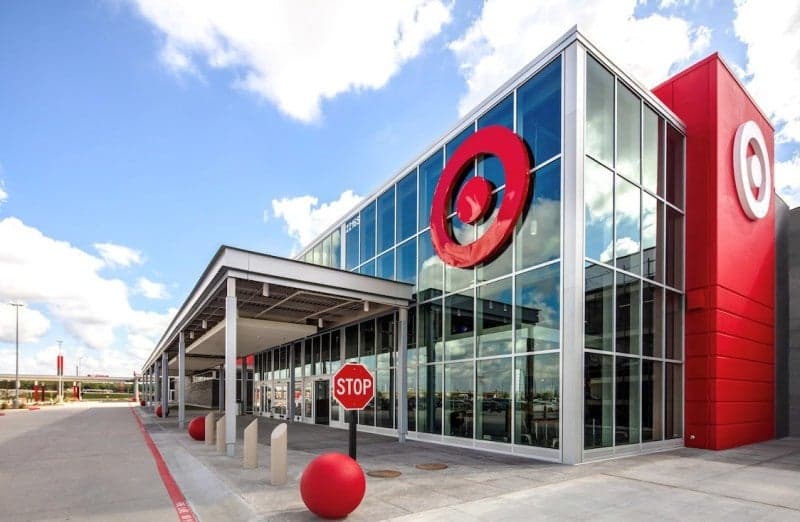
Target said the money will support new stores, remodels, technology and supply-chain work. The retailer described the effort as its largest store transformation in a decade. It plans to open more than 30 new stores in 2026, reach 300 new stores by 2035 and complete at least 130 full-store remodels. One visible example is the open-layout design Target has used in new stores, part of a broader effort to make the shopping experience feel more consistent and elevated.

That is where the nostalgia collides with operations. When floor plans and displays change, team members have to answer more wayfinding questions, help guests find products that used to sit in another aisle and keep up with resets that can make a familiar store feel unfamiliar overnight. The company has also said it will increase payroll and training, a sign that the guest experience it wants to improve depends heavily on the people carrying out the changes on the sales floor.
Target has tied the redesign push to a business that has been under pressure. Reuters reported that the company projected 2% net sales growth in 2026 after three years of declines. Beauty sales rose 1.1% and food sales rose 1.8%, helping offset weaker discretionary spending, a reminder that the chain is trying to stabilize traffic while reworking the look and feel of its stores.
For employees, the argument over “classic Target” is not just about brand memory. It is about the day-to-day reality of more resets, more customer friction at the shelf and more pressure to make a changing store feel easy to shop. Target is betting that a larger, more modern footprint will bring shoppers back, but the test will be whether the new layout feels better on the floor, not just in investor materials.
This article was produced by Prism’s automated news system from verified source data, official records, and press releases, then run through automated quality and moderation checks before publishing. The system is built and supervised by the people who set the standards it runs under. Read our full AI policy.
Did this article answer your question?