Labor department opinion letters sharpen Target wage, overtime rules
Four DOL opinion letters put Target’s mixed-duty jobs, bonuses and pre-shift work under a sharper overtime spotlight.
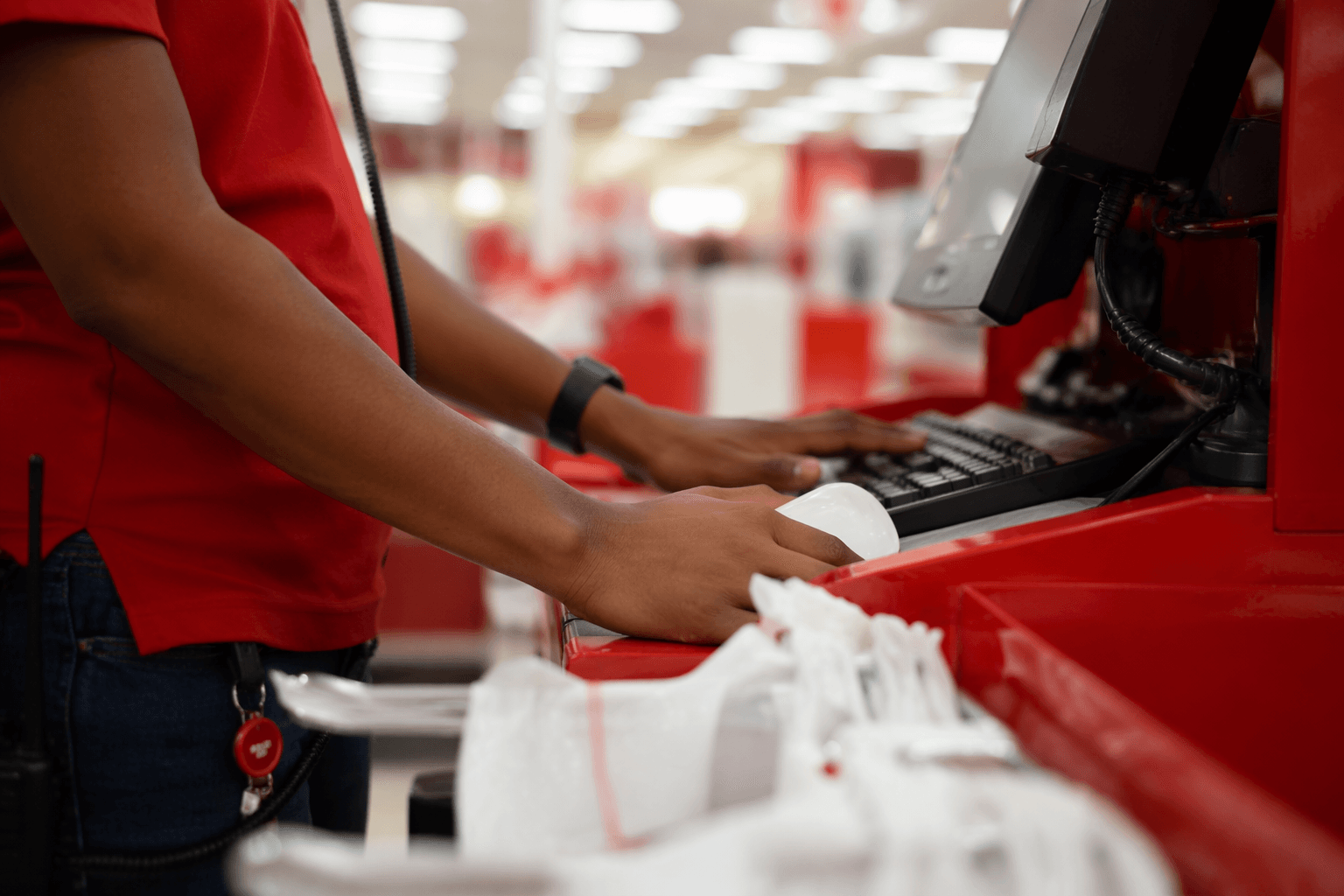
Target leaders got a fresh reminder that small timekeeping decisions can turn into payroll liabilities fast. On May 29, the U.S. Department of Labor’s Wage and Hour Division issued four opinion letters meant to bring clarity, consistency and transparency to how the Fair Labor Standards Act applies to real store and facility scenarios.
The letters zero in on four situations that routinely surface in retail and other high-volume operations: an exempt employee doing secondary hourly work, how bonuses are calculated for overtime purposes, compensable meal-break travel, and pre-shift hospital work with clock-in rounding. Wage and Hour Division Administrator Andrew Rogers said the letters explain longstanding FLSA principles covering compensable time, exemptions and bonuses included in the regular rate of pay.
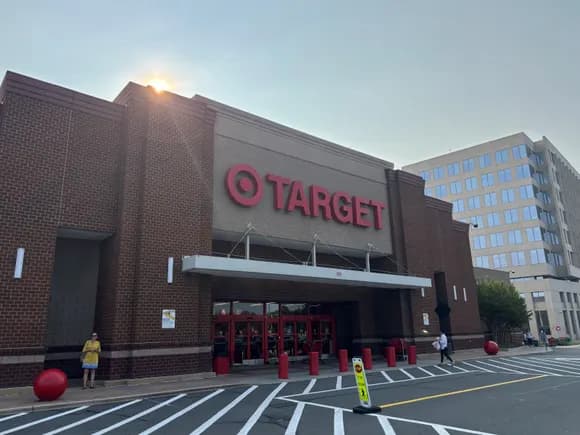
For Target, the timing matters because the company’s stores and supply-chain facilities employ the vast majority of its U.S. hourly team members. Target said its U.S. hourly team members start at $15 to $24 per hour in its 2026 annual report, and its March 3 strategy update said payroll and training spending will increase as part of its growth plan. The company also said it had 415,000 employees in fiscal 2026. That is a large workforce to absorb any payroll error, especially when leaders are already talking publicly about more investment in staffing and training.
The bonus letter is the one most likely to catch the attention of ETLs, HR partners and payroll teams. The Labor Department said certain bonus payments must be included in the regular rate used to calculate overtime, and that those payments are not discretionary bonuses excluded by the act. That means any bonus tied to formula-based or predetermined criteria needs a hard look before it is used in store-level pay calculations.
The other letters reach into day-to-day operations that often seem too small to matter until they become a dispute. Secondary hourly work by an exempt employee raises questions about when a salaried leader crosses into overtime-eligible labor. Compensable meal-break travel and pre-shift work create risk around coverage gaps, closing routines, and the sort of early or late tasks that get assigned when stores are busy and payroll is tight.
The Labor Department relaunched its opinion-letter program in June 2025 as part of a broader compliance-assistance effort, and the June 2 launch announcement said it spans five enforcement agencies. The message for Target is straightforward: store practices, manager training and time records need to line up now, before a minor scheduling workaround turns into back pay, an audit finding or another round of team member frustration.
This article was produced by Prism’s automated news system from verified source data, official records, and press releases, then run through automated quality and moderation checks before publishing. The system is built and supervised by the people who set the standards it runs under. Read our full AI policy.
Did this article answer your question?