LinkedIn bets on agentic AI hiring tools, targeting $450 million in sales
LinkedIn says its AI hiring tools are on pace for $450 million in sales, a sign retail applicants may be filtered before a human recruiter ever calls.
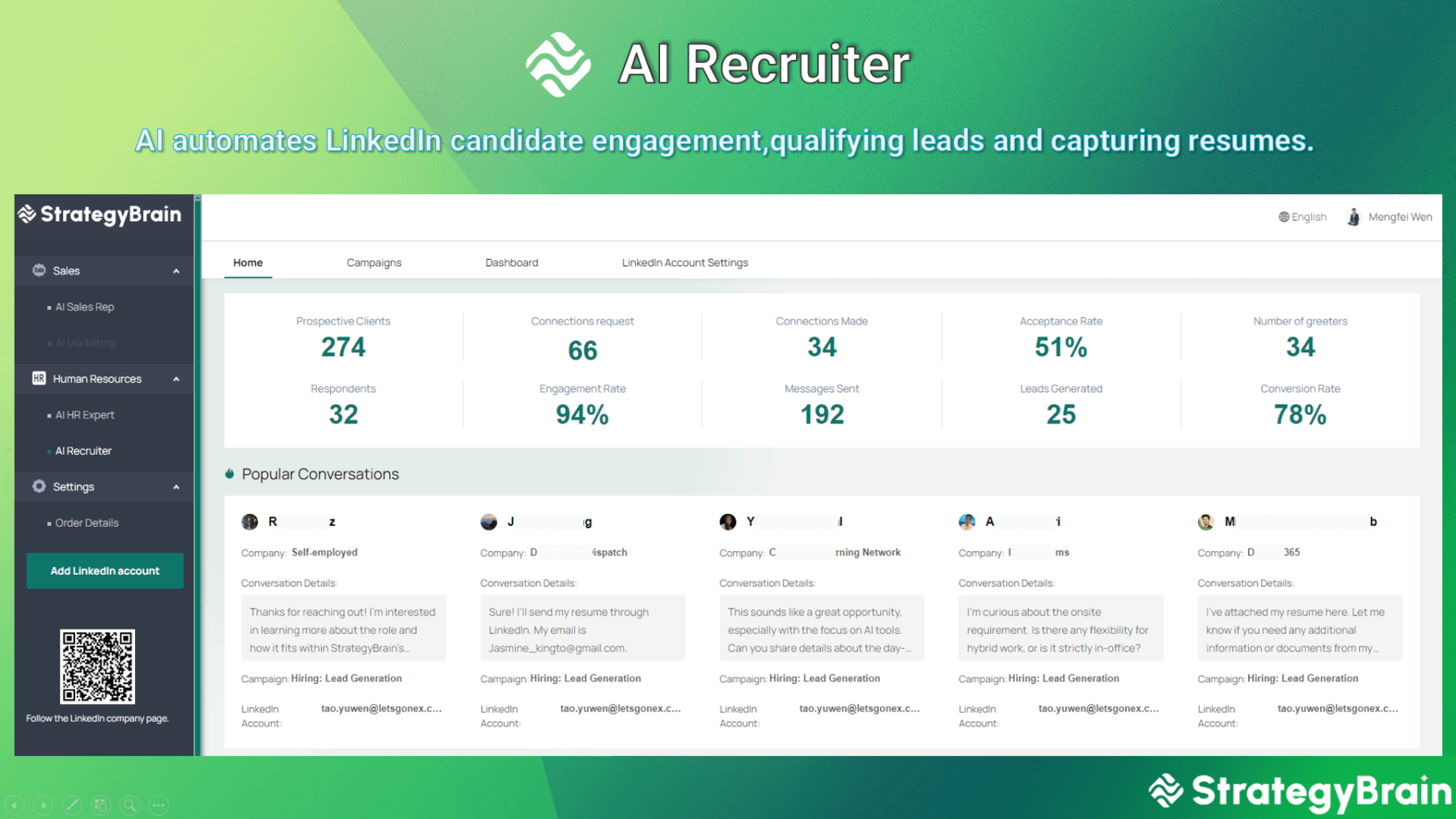
A Target applicant may be meeting software before a store leader ever sees a resume. LinkedIn said its new hiring tools built around agentic AI are on track to generate $450 million in sales over the coming year, a sign that recruiters are buying systems that can sift through candidates and send only a narrower group on to human review.
The company said the tools work by taking instructions from a recruiter, understanding what the recruiter wants, and scanning LinkedIn profiles to identify candidates for follow-up. LinkedIn has launched two main products, one for large businesses and one for smaller employers, and said some of the systems were tested for nearly a year before release. The pitch is speed: LinkedIn said the products are helping recruiters save time and get higher response rates when they reach out to potential hires.
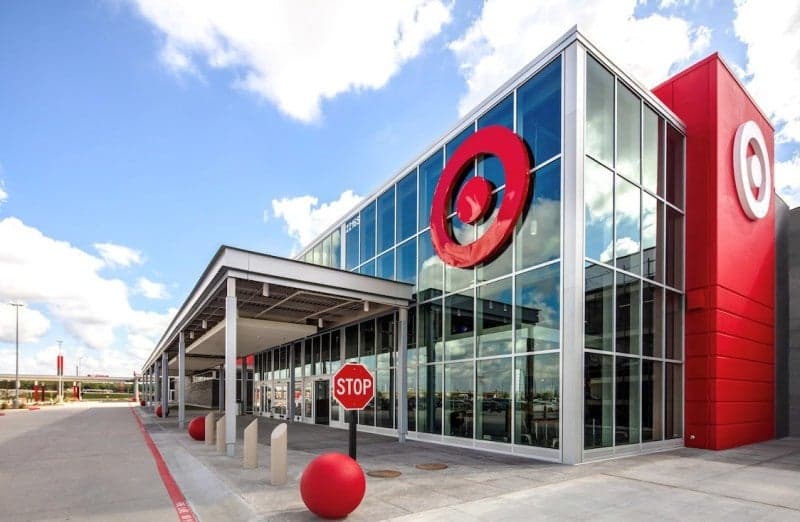
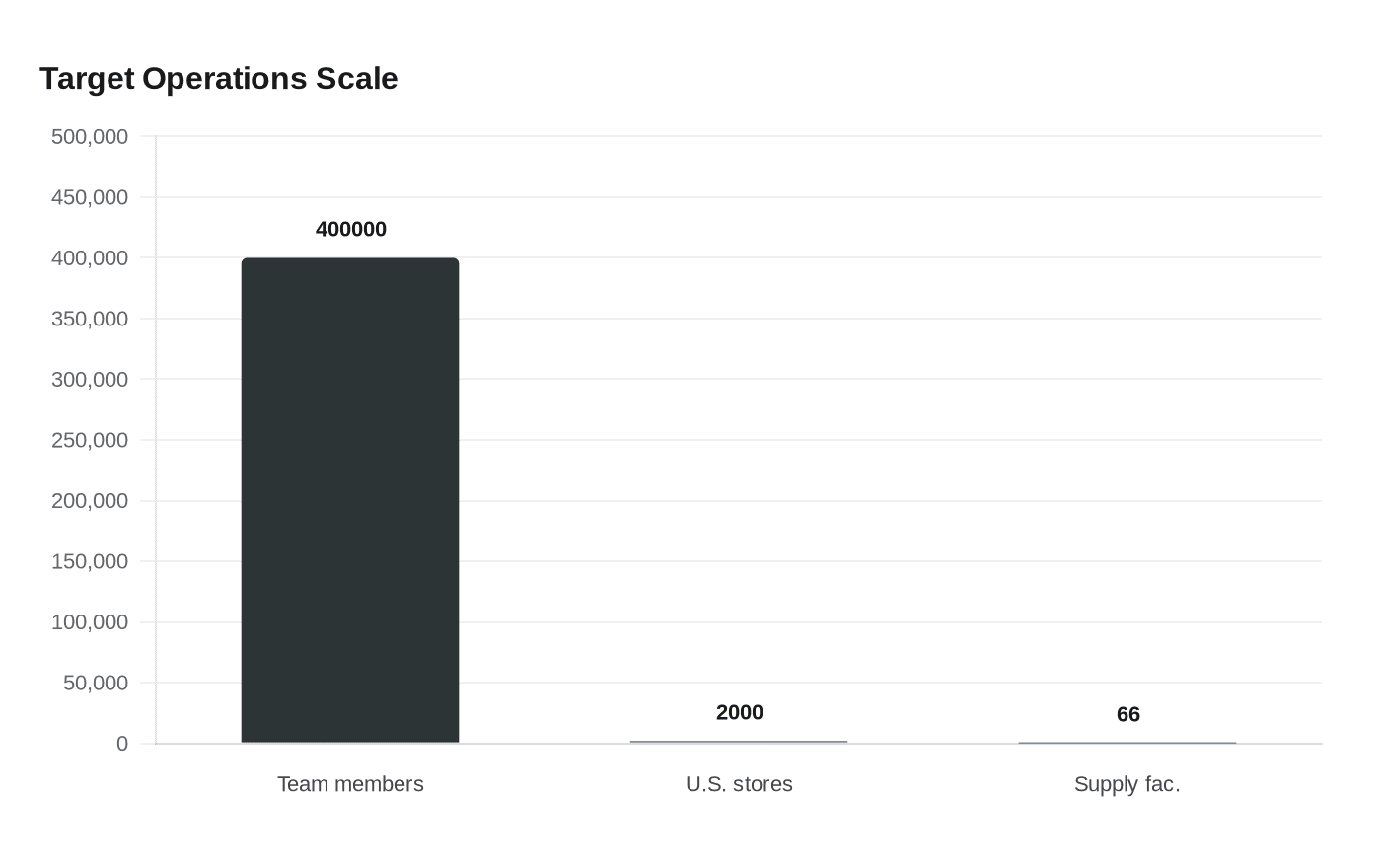
That matters for retail because Target runs one of the largest hiring operations in the country. The company says it has more than 400,000 team members, 2,000 U.S. stores and 66 supply chain facilities, with more than 75% of the U.S. population living within 10 miles of a Target store. In a workforce that large, even small gains in recruiting efficiency can change how quickly stores, distribution centers and corporate teams get staffed.

For job seekers, the front end of the process is where the squeeze is likely to show up first. Resumes that are vague, hard to parse or too detached from the posted role are less likely to line up cleanly with an automated screen. Applicants who wait too long to reply may also lose out, especially if recruiters are seeing higher response rates from faster, more automated outreach. In practical terms, that means keeping job titles, dates and role-specific skills tight, and making sure availability, location and work history match the opening as closely as possible.
Dan Shapero, who became LinkedIn’s chief executive on April 22, said recruiters told the company that half their day was spent on low-value work, and that LinkedIn focused on solving that problem rather than rushing to ship an AI agent. Microsoft, which reports LinkedIn’s results inside its productivity and business process unit, does not break out absolute sales for the business, but the new $450 million disclosure shows the company thinks hiring automation is becoming a major product line.
Target has already said it plans to spend more on new technology, including AI, and laid out an additional $2 billion in investment for 2026, with more than $1 billion in capital spending and another $1 billion in operating investment. Hundreds of millions of dollars are set aside for store payroll and training. For Target workers and applicants alike, the message is clear: hiring technology is moving closer to the center of retail staffing, and the first filter may be increasingly automated.
Know something we missed? Have a correction or additional information?
Submit a Tip