March unemployment steady across states, highlighting local hiring pressures for Target
Unemployment barely moved across all 50 states in March, but payroll gains landed in just Texas, Florida and Tennessee. For Target, that means hiring pressure still depends on the local market.

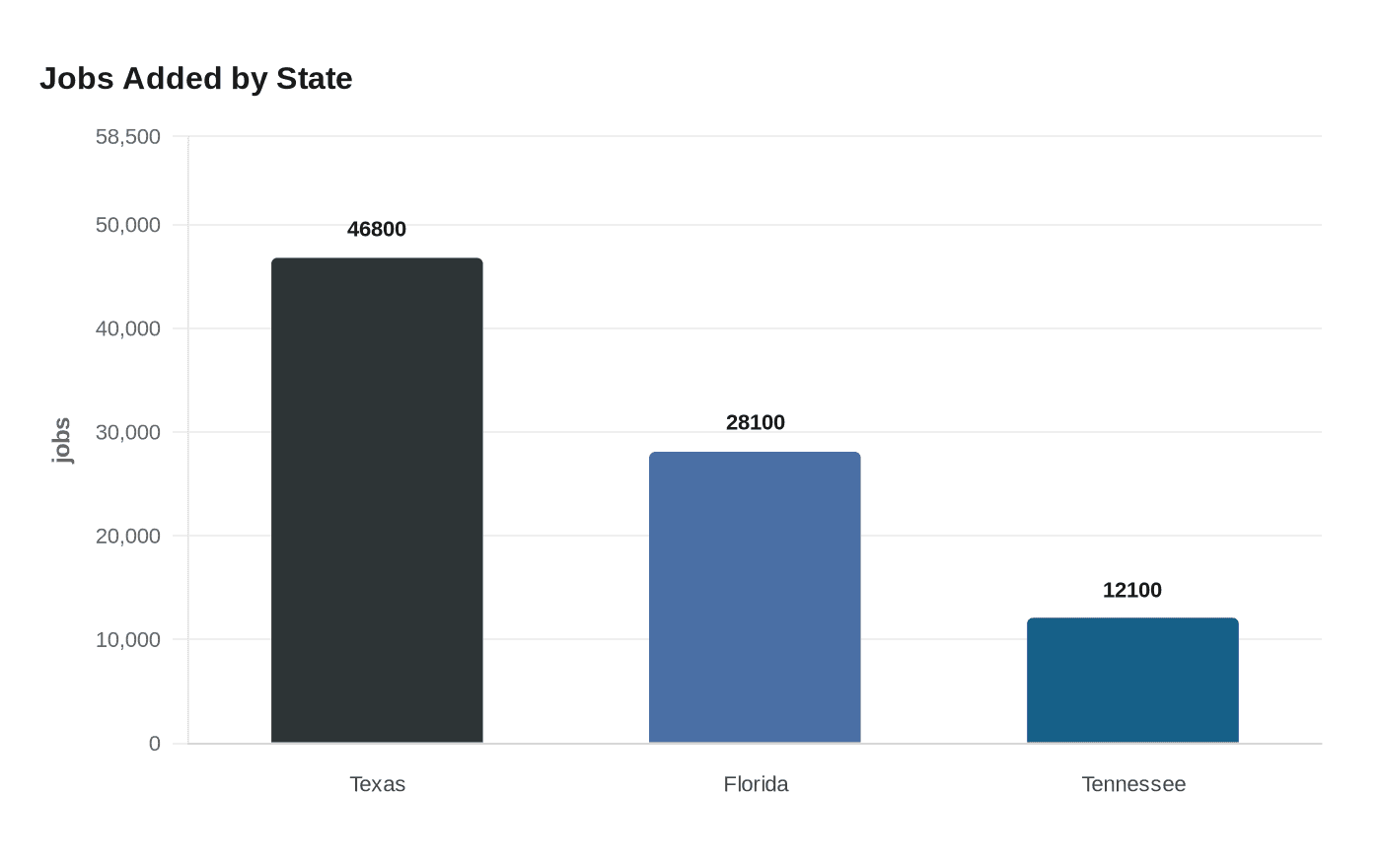
Target’s hiring pressure does not look the same from store to store, and March labor data showed why. The Bureau of Labor Statistics said on May 6 that unemployment rates were little changed in all 50 states and the District of Columbia in March 2026, even as nonfarm payroll employment increased in only three states. Texas added 46,800 jobs, Florida added 28,100 and Tennessee added 12,100.
That kind of split matters inside Target stores. A location in a tighter labor market can feel the strain fast, with fewer applicants, more competition for open shifts and more pressure to keep schedules flexible. A store in a softer market can face a different problem, filling roles and keeping new hires engaged after onboarding. What looks like one national job market is really a patchwork of local conditions, and retail runs on those local conditions every day.

The broader numbers were steady rather than dramatic. The national unemployment rate was 4.3% in March, unchanged from February and little changed from March 2025. The BLS said 14 states had higher jobless rates than a year earlier, 2 states had lower rates and 34 states plus the District of Columbia were little changed. That suggests Target leaders are not dealing with a single wave of labor tightening or loosening across the country, but with a metro-by-metro picture that can change a store’s staffing playbook.
For Target team members, that has practical consequences. If a store is in a market where workers have more options, transfers may move more slowly, open shifts may be harder to fill and managers may lean harder on flexibility and internal development. In markets with less competition for labor, hiring may be easier, but retention and fit become the bigger challenge. Target has said its hourly team members in stores and supply chain facilities start at $15 to $24 per hour, depending on role and location, and that it is investing in pay, benefits and training so team members can grow their careers with the company.
Target’s own reporting shows why the local labor picture matters so much. The company said stores have fulfilled more than 97% of total Merchandise Sales in each of the last three years. It said it employed about 440,000 full-time, part-time and seasonal team members as of February 1, 2025, with staffing peaking in the holiday season. In February 2026, Target said it was stepping up store staffing while eliminating about 500 jobs at distribution centers and regional offices, a reminder that the company is still shifting labor toward the sales floor where the work is most visible.
This article was produced by Prism’s automated news system from verified source data, official records, and press releases, then run through automated quality and moderation checks before publishing. The system is built and supervised by the people who set the standards it runs under. Read our full AI policy.
Did this article answer your question?