Target faces rising wage and benefit pressures as labor costs climb
Labor costs rose 3.4% over the year, and Target workers are feeling the squeeze in pay, scheduling and benefits. The bigger fight is over total compensation, not just hourly wages.
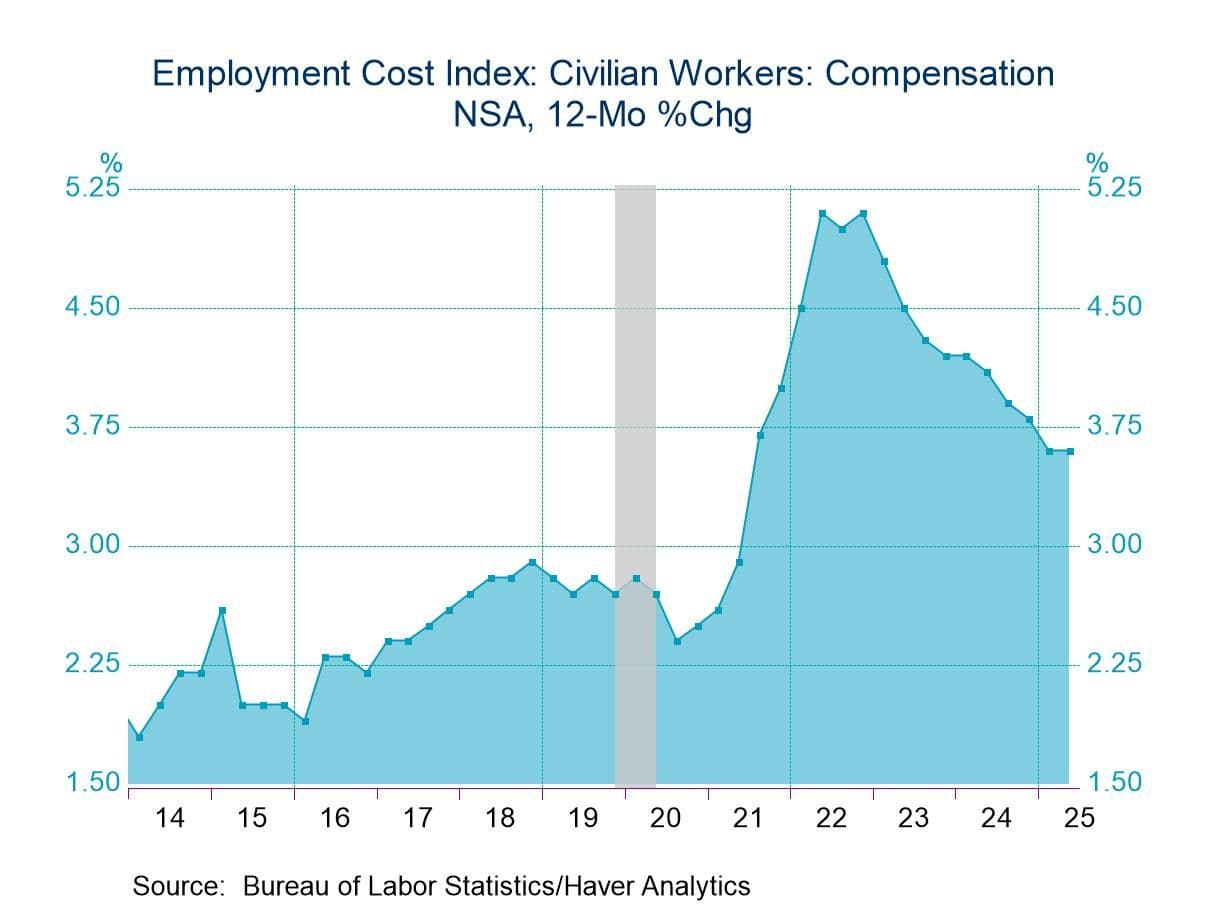
Rising labor costs are keeping compensation at the center of retail hiring, and Target workers are likely to feel that pressure in the next round of pay reviews, recruiting and retention decisions. The Bureau of Labor Statistics said April 30 that total compensation for civilian workers rose 0.9% from December 2025 to March 2026 and 3.4% over the 12 months ending in March 2026, a sign that employers are still paying more to hold onto labor even without a broader wage shock.
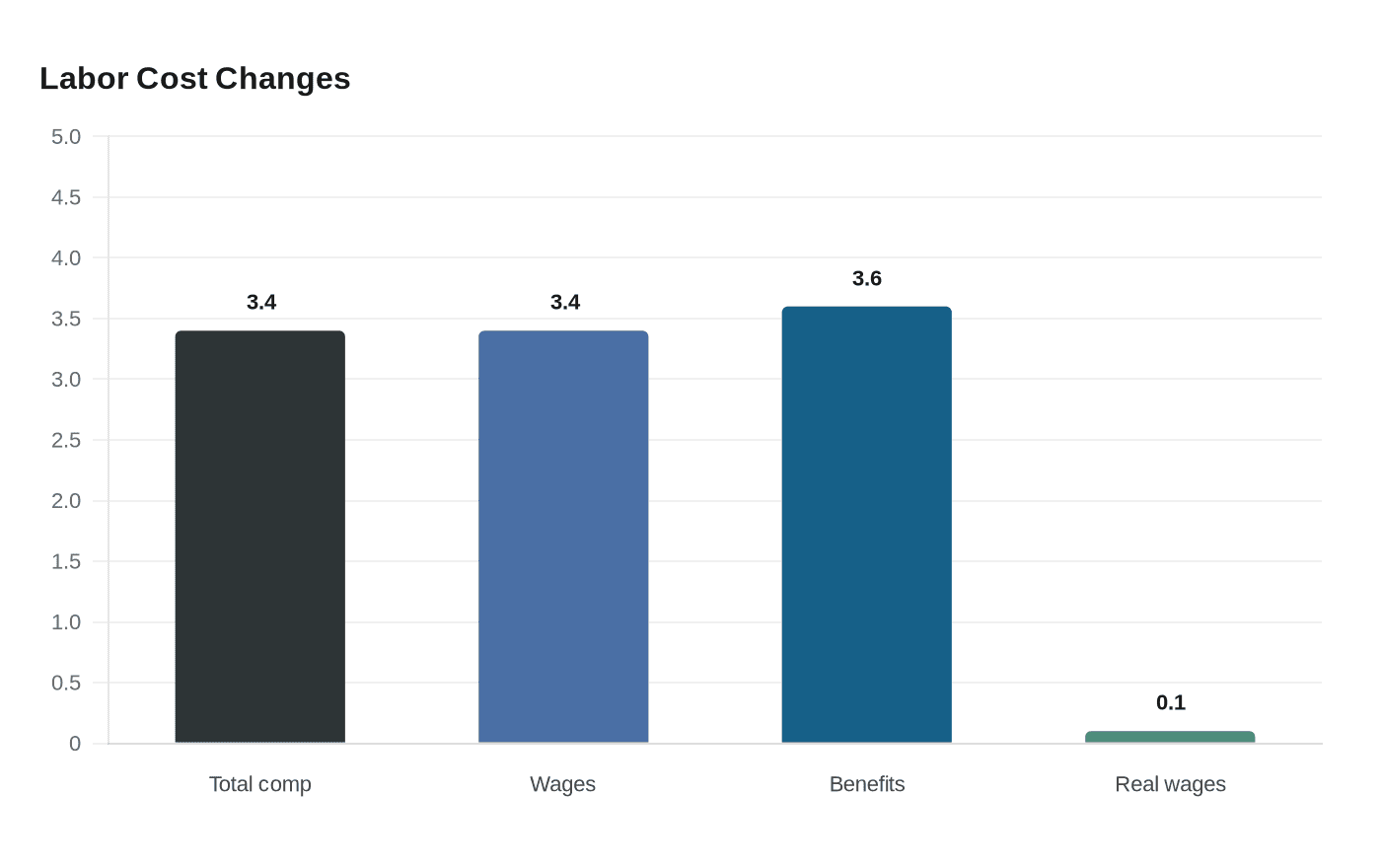
The details matter for Target because the government’s Employment Cost Index is built to track the hourly cost of labor using a fixed basket of jobs, which helps strip out changes in job mix. In other words, the increase is not just a reflection of who got hired; it is a cleaner read on what it costs employers to keep workers on the payroll. Over the past year, wages and salaries rose 3.4% while benefit costs rose 3.6%, a reminder that insurance, time off and other non-wage benefits are part of the competition too. Inflation-adjusted wages and salaries rose only 0.1%, showing how little of those pay gains translated into real buying power.

For Target team members, that adds context to a compensation strategy that already leans on more than the hourly rate. Target says its U.S. hourly starting wage ranges from $15 to $24 an hour depending on role, location and market conditions. The company also says it offers market-leading wages and a comprehensive benefits package that includes medical, vision and dental coverage for eligible team members.
Target’s April 13 pay-and-benefits fact sheet said the company is investing in financial tools, education, reliable scheduling and time off. Its 2025 annual report said Target will continue to invest in team members through pay, benefits and training, while a separate filing said compensation and benefits are designed to support financial, mental and physical well-being for team members and their families.
That combination matters most in stores where turnover is high and a trained person is hard to replace, from cashiers and fulfillment team members to stylists, inbound experts and shift leaders. For ETLs and team leads, the practical takeaway is to watch the full offer, not just base pay: schedule predictability, benefits eligibility, training access and education support can matter as much as the hourly rate when applicants compare jobs. Target’s Dream to Be education benefit also gives any team member the chance to attend tuition-free or partially funded programs, a benefit that can carry real weight when workers are deciding whether to stay.
This article was produced by Prism’s automated news system from verified source data, official records, and press releases, then run through automated quality and moderation checks before publishing. The system is built and supervised by the people who set the standards it runs under. Read our full AI policy.
Did this article answer your question?