May Day labor protests spotlight wages, worker rights at Target
Roughly 500 labor groups turned May Day into a national pressure campaign, but at Target the real question is whether that energy changes wages, schedules or manager behavior.

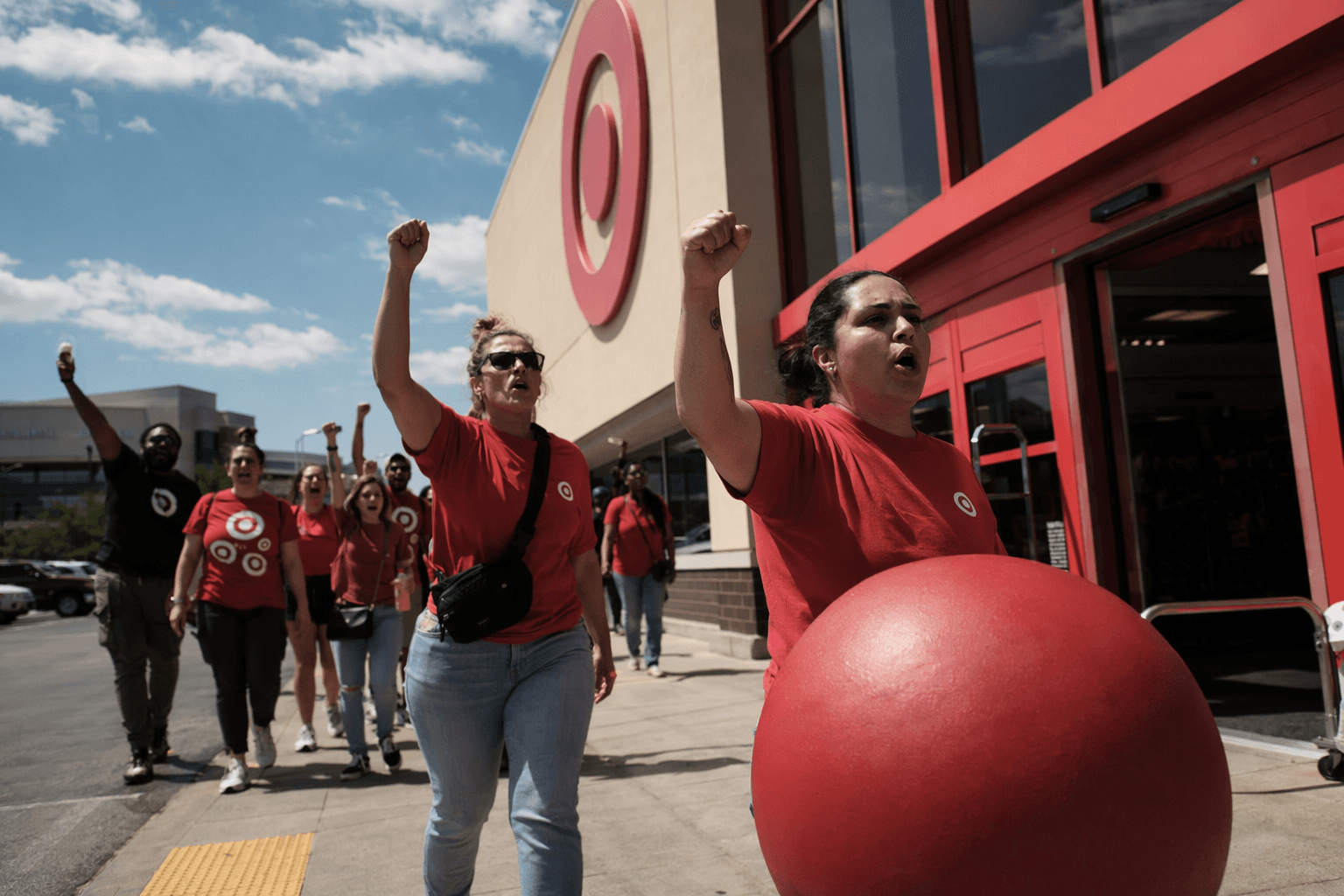
Roughly 500 labor groups used May Day to turn street protest into workplace pressure, with more than 3,000 events planned in 40 cities and an economic blackout urging people to take part in “no school, no work, no shopping.” The message reached well beyond one holiday march. Activists tied the day to wages, inequality, immigration enforcement and worker rights, while May Day Strong pushed a broader “Workers Over Billionaires” frame and called for “tax the rich,” abolishing ICE, ending war and expanding democracy.
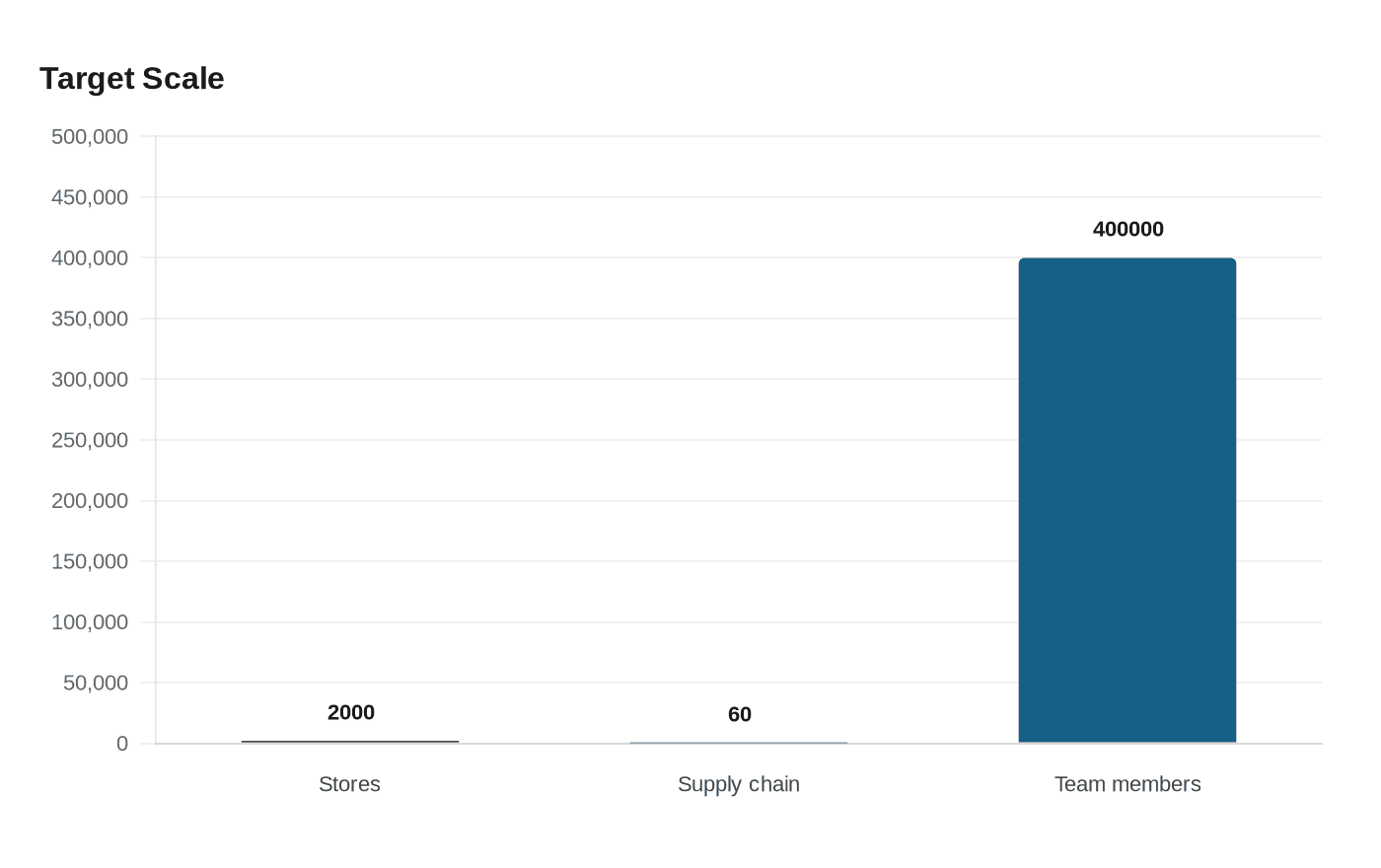
For Target team members, the biggest question is not whether every store will see visible unrest. It is whether a national wave of labor activism changes anything concrete inside stores, warehouses and break rooms. Target operates 2,000 stores and more than 60 supply chain facilities in the U.S., with more than 400,000 full-time, part-time and seasonal team members. At that scale, even a small shift in how workers think about pay, hours and respect can show up in turnover, customer service and the tone of daily management.
Target has spent years making compensation and benefits part of its public identity. The company says it raised its starting wage to a $15 to $24 range in 2022, depending on role and location, and says the average wage for frontline team members is above $18.50. It also says most pay and benefits offerings are available on day one, with same-day pay access through DailyPay for eligible team members and education support through Dream to Be, which offers access to roughly 500 certificate, bootcamp and degree programs from more than 40 schools. Those are the kinds of details workers compare against rising rent, child care and transportation costs, not the company’s brand language.
The broader backdrop matters too. The protests landed amid a labor climate shaped by more aggressive immigration enforcement in Minneapolis and the deaths of Renee Good and Alex Pretti in January, which organizers cited as part of the spark for the May Day actions. They also arrived in a legal environment where workers face a harder path when they try to challenge dismissals or push back through formal channels. When disputes do escalate, the National Labor Relations Board remains the main venue for election and unfair labor practice cases.
Historically, labor surges tend to matter most when they move from symbolism to daily workplace leverage. The AFL-CIO points to the 1909 McKees Rocks strike, which involved 5,000 to 8,000 mostly immigrant workers from some 16 nationalities, and to the Triangle Shirtwaist fire on March 25, 1911 as turning points in labor reform. May Day’s newest round of protests may not produce an immediate policy shift at Target, but it does sharpen the pressure on store leaders to keep schedules predictable, complaints visible and the line of communication open before frustration turns into organizing.
This article was produced by Prism’s automated news system from verified source data, official records, and press releases, then run through automated quality and moderation checks before publishing. The system is built and supervised by the people who set the standards it runs under. Read our full AI policy.
Did this article answer your question?