Target recruiting stays active as retail job openings rise, hiring jumps
Retail hiring stayed alive even as openings eased, giving Target applicants more leverage on hours, training and first-shift speed.
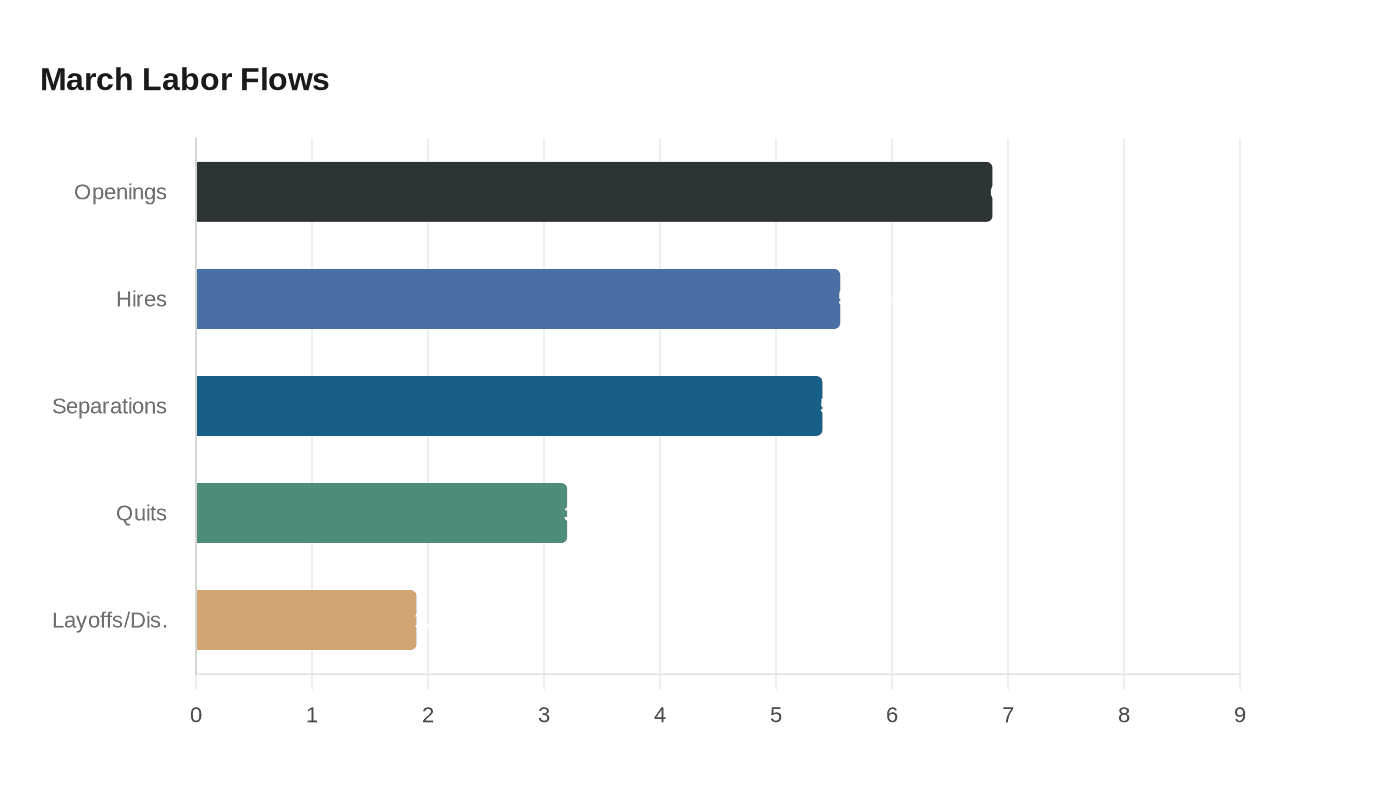
Target applicants are still entering a market where retail is hiring, but not in the feverish scramble that defined the post-pandemic years. The March jobs data showed 6.866 million U.S. openings and 5.554 million hires, the highest hiring total since February 2024 and the biggest monthly jump since May 2020.
For Target, that points to a hiring environment with openings that are still there, but with less slack for slow-moving managers. The openings-to-unemployed ratio came in at 0.95, a sign that labor demand remained close to the number of people looking for work. In plain terms, that gives hourly applicants some leverage to compare schedules, role expectations and advancement before they take a job, while also forcing store leaders to move fast if they want the right people on the floor.
The pressure shows up in turnover, too. Total separations were 5.4 million in March, with quits at 3.2 million and layoffs and discharges at 1.9 million. That matters at a company like Target, where front-end coverage, fulfillment and guest service can fall apart quickly if a new hire does not show up for the first few shifts or if the schedule does not match what was promised during recruiting.

Target has already been steering more labor toward stores. In February 2026, the company said it would invest more in store labor and cut about 500 other roles, including roughly 100 at the store-district level and about 400 across supply chain sites. Target said the shift would put more payroll into stores, with additional labor and hours where needed most, along with guest-experience training for every team member at every store.
That makes the latest labor report more than a Wall Street datapoint. If retail openings are still rising while hiring is moving up, Target store leaders may find it somewhat easier to source candidates for cashier, fulfillment and floor roles, but not easier enough to be casual about it. The stores that spell out hours, training and advancement cleanly are the ones most likely to keep people past the first paycheck.
Pay remains part of that recruiting equation. Target’s store-worker starting wages range from $15 to $24 an hour depending on location, and that range still has to compete with other hourly work in retail, transportation, warehousing, utilities and service jobs. When applicants can choose among several employers, a vague pitch about culture will not carry the process.
Target’s need for frontline labor is not new. In September 2024, the company said it planned to hire about 100,000 seasonal workers for the holidays, with most of those jobs in stores. That kind of volume shows how much Target still leans on hourly staffing, and why a steady national hiring backdrop can translate into real leverage for applicants and real pressure on store leaders to keep schedules, expectations and advancement opportunities clear.
This article was produced by Prism’s automated news system from verified source data, official records, and press releases, then run through automated quality and moderation checks before publishing. The system is built and supervised by the people who set the standards it runs under. Read our full AI policy.
Did this article answer your question?