May Day protests spotlight worker frustration over wages, scheduling, costs
May Day rallies pushed retail wages, scheduling and pay timing into the spotlight, just as Target points to $15 to $24 starting wages and DailyPay.
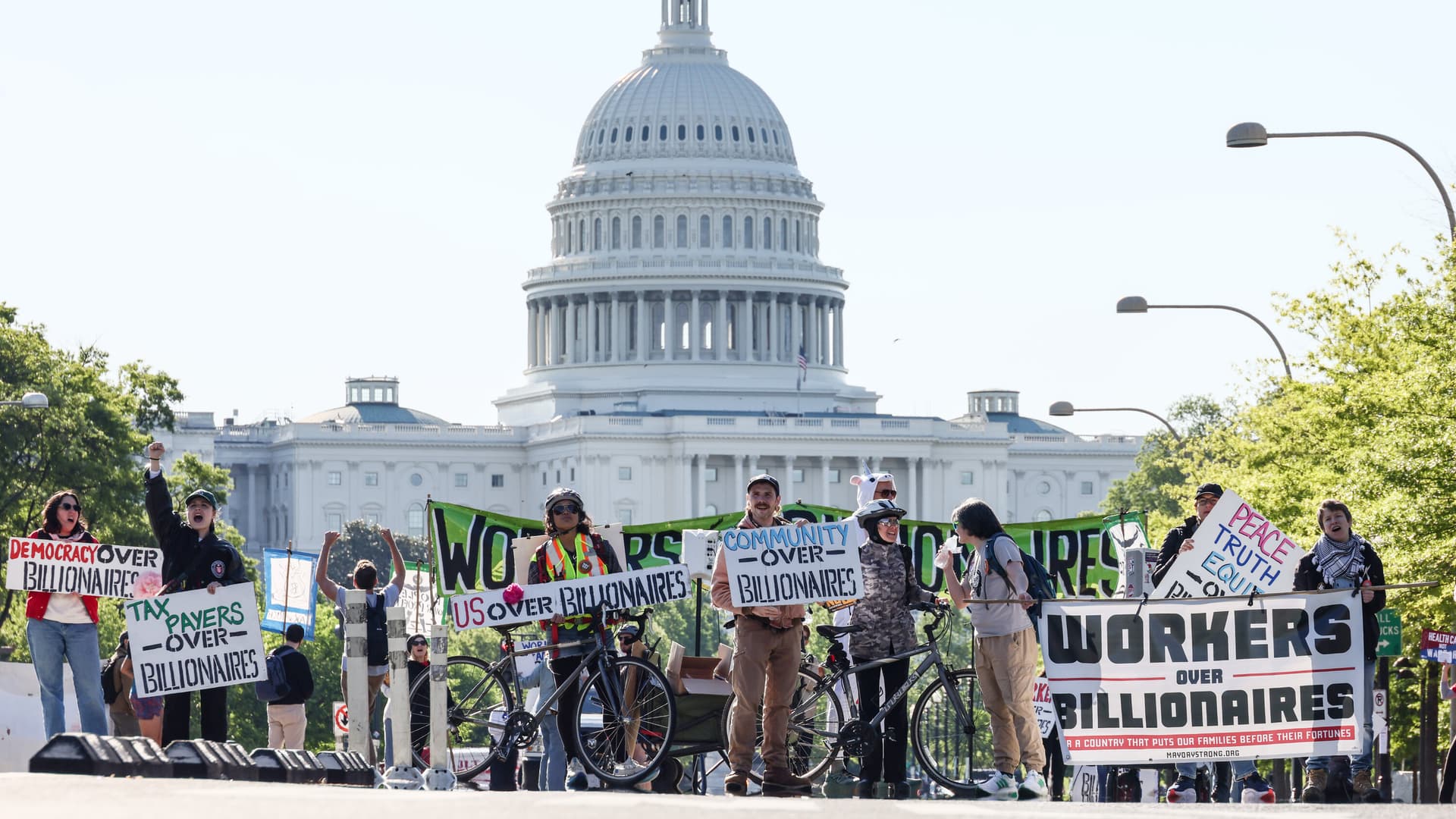
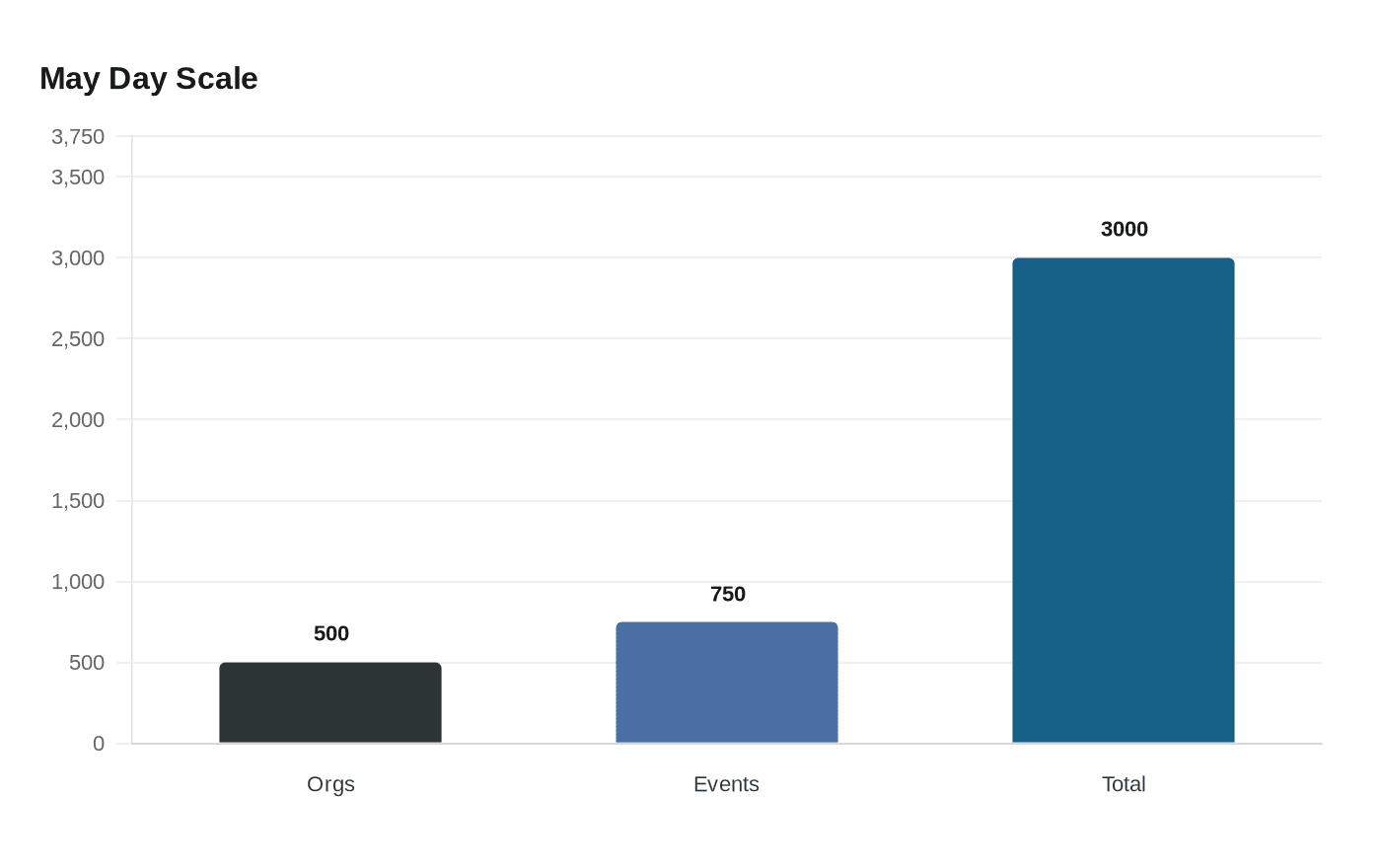
More than 500 organizations planned more than 750 May Day events nationwide, and another count put the total above 3,000. The message running through those marches was familiar to retail workers: gas and groceries cost more, wages have not kept pace, and schedules still feel too fragile for people trying to budget around a paycheck.
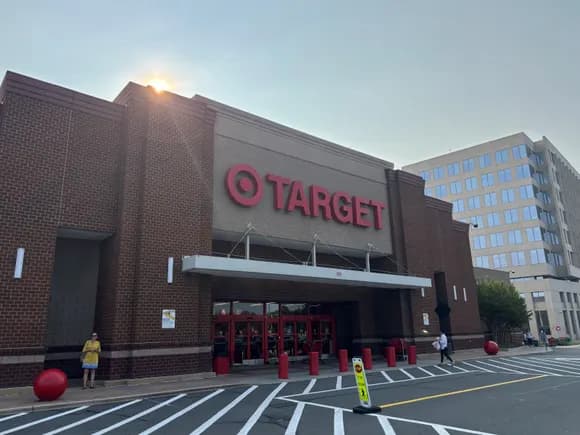
That pressure lands hard at Target, where the company says starting wages range from $15 to $24 an hour depending on role and location. Target also says many team members get benefits from day one, and on-demand workers have flexible schedules but must work at least one four-hour shift every four weeks. For workers living paycheck to paycheck, the details matter as much as the slogans. A pay rate, a benefits start date, and whether a shift appears in MyTime can shape whether someone can cover rent, childcare, or a grocery run.
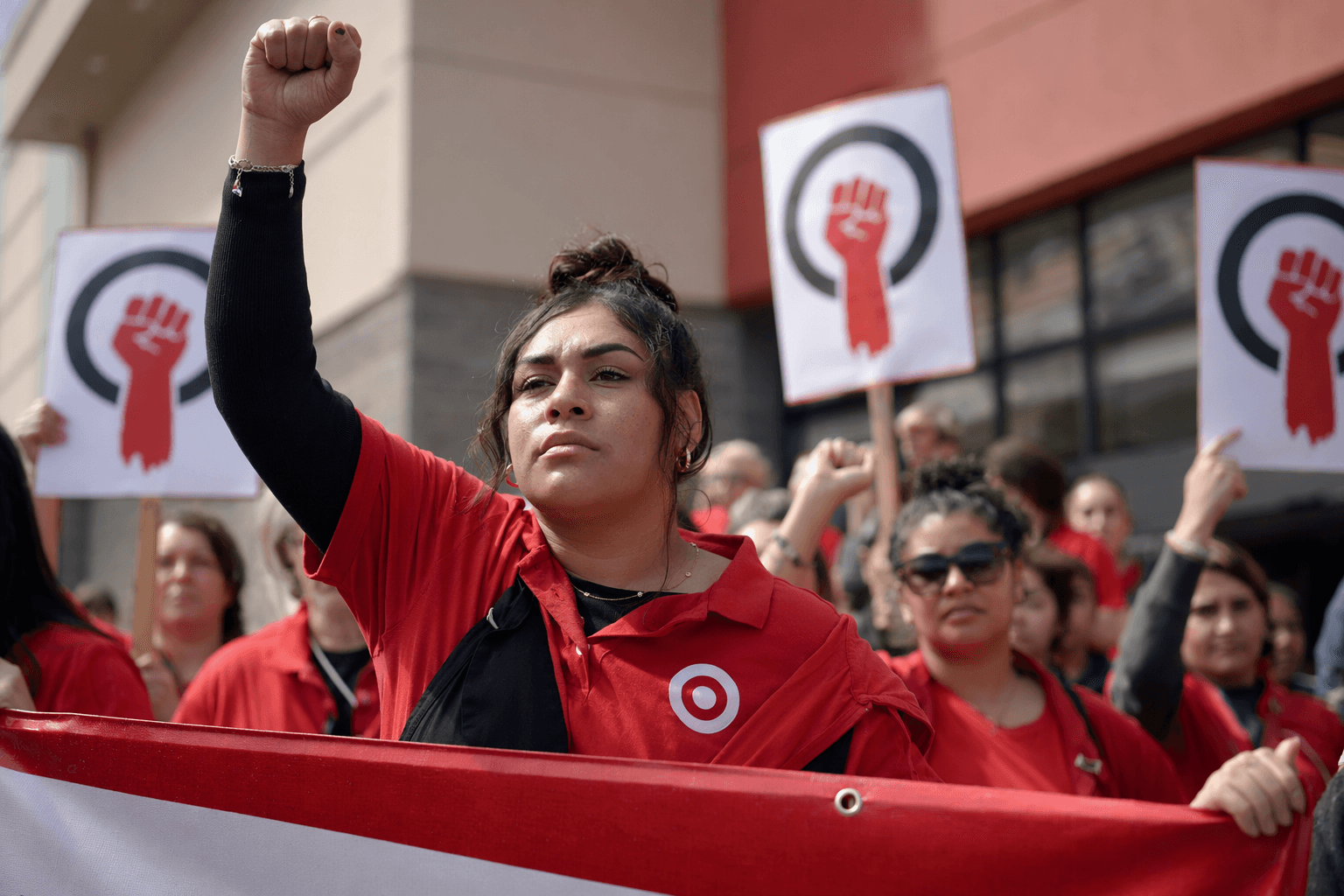
The timing issue is just as important. Target says eligible team members can use DailyPay for early access to earned wages, a feature that speaks directly to the cash-flow problems highlighted by May Day organizers. When workers are talking about affordability, the debate is not abstract. It is about whether a shift ends early, whether hours get cut without warning, and whether money is available before a bill is due. That is why the protests resonated beyond union rallies and into nonunion retail workplaces, where control over work often feels as valuable as the hourly rate itself.
Target has already made wage and benefits moves before. The company raised its U.S. starting wage to $15 an hour in July 2020, then said in February 2022 that it would set a new starting wage range and expand health care benefits. In March 2026, Target said it planned to increase payroll and training as part of its growth strategy, another sign that labor costs and worker experience remain live business issues inside the chain.
May Day did not create these frustrations, but it gave them a louder stage. For Target, the signal is clear: pay alone will not settle the labor conversation unless scheduling, staffing, and access to wages feel dependable on the sales floor, not just in corporate messaging.
This article was produced by Prism’s automated news system from verified source data, official records, and press releases, then run through automated quality and moderation checks before publishing. The system is built and supervised by the people who set the standards it runs under. Read our full AI policy.
Did this article answer your question?