New York City fines retailers for breaking predictable scheduling rules
New York City’s latest retail settlement shows schedule control now carries real fines, from 72-hour notice to penalties for last-minute changes.
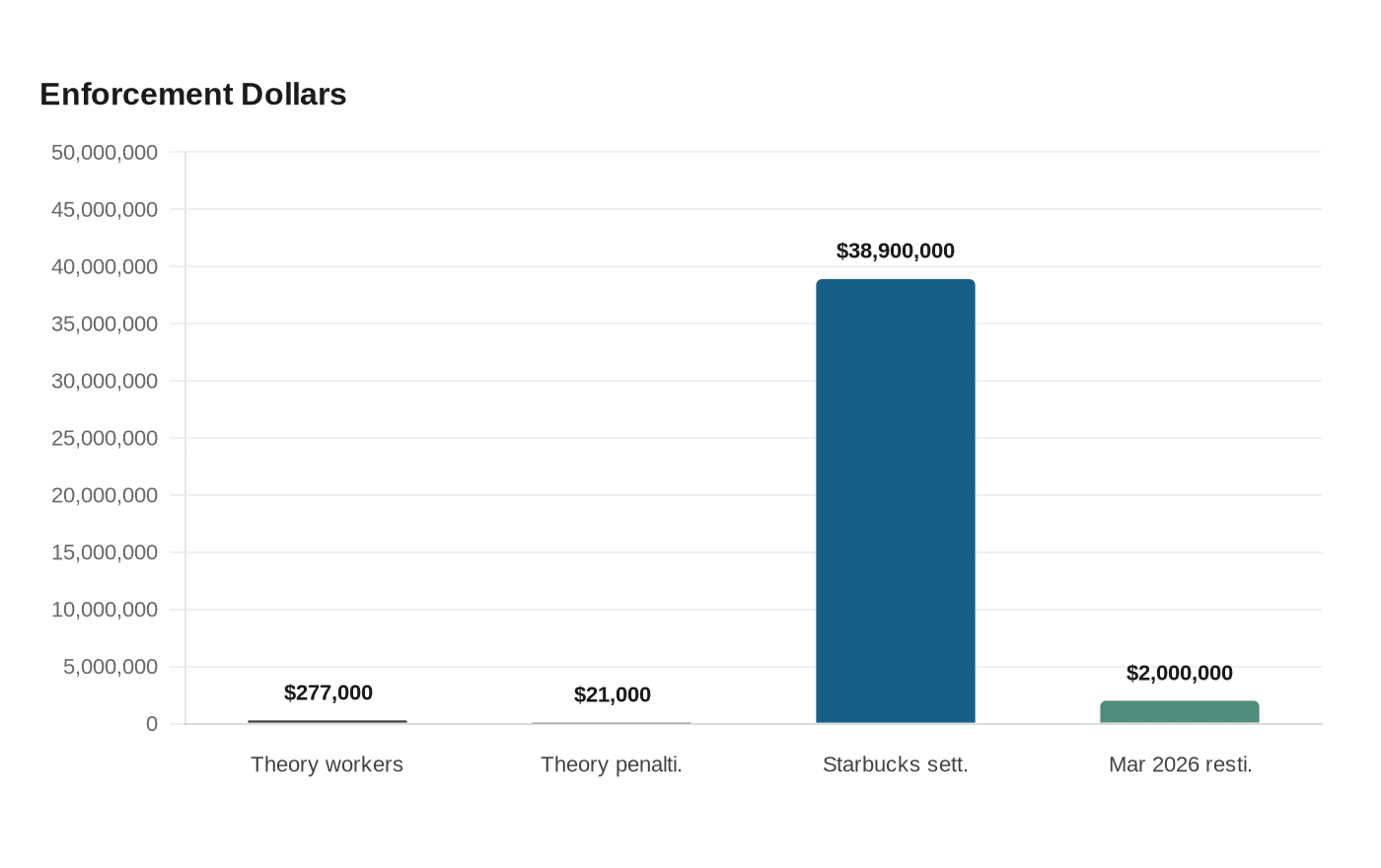
How much control should I have over my schedule? In New York City, the answer now comes with dollar amounts attached. The city said Theory LLC will pay more than $277,000 to more than 60 workers, plus more than $21,000 in civil penalties and costs, after investigators found Fair Workweek violations at two Manhattan locations involving advance schedules, added hours and shift cancellations.
For retail workers, the most important protections are straightforward. Employers in New York City must give work schedules at least 72 hours before the first shift on the schedule. They cannot use on-call shifts, and they cannot cancel a scheduled shift with less than 72 hours’ notice. City guidance also says retail workers are protected against shift additions with less than 72 hours’ notice unless they consent in writing, and that some schedule changes can trigger premium pay. Workers also have a right to refuse additional hours in some circumstances.

That makes the Theory case bigger than one fashion retailer. It shows how the city is enforcing a rule set that treats predictability as a workplace right, not a manager preference. New York City’s Department of Consumer and Worker Protection says it has received more than 900 complaints and opened more than 400 investigations under the Fair Workweek Law since it took effect in 2017. In December 2025, Mayor Eric Adams and DCWP Commissioner Vilda Vera Mayuga announced a $38.9 million Starbucks settlement, which the city called the largest worker protection settlement in its history. That case covered more than 500,000 Fair Workweek violations across more than 300 locations and was expected to benefit over 15,000 workers.
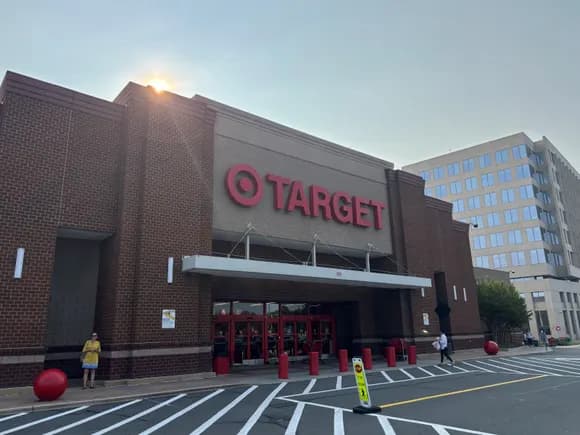
For Target team members, ETLs and store leaders, the lesson is practical. During peak season, remodels, callouts and staffing gaps, it is easy for schedules to get rewritten on the fly. In places with Fair Workweek rules, that can become a compliance problem if changes are made too late, canceled without notice or added without the worker’s written consent. Clean scheduling records, early communication and documented approvals matter because they are the difference between ordinary workforce management and a fine.
The broader message from New York’s enforcement push is that schedule stability is becoming a measurable workplace standard. In March 2026, the city said it had secured nearly $2 million in restitution for more than 830 fast-food and retail workers in additional Fair Workweek and Protected Time Off cases. For retail employers, that is a warning. For workers, it is proof that predictable hours are no longer just a promise on paper.
This article was produced by Prism’s automated news system from verified source data, official records, and press releases, then run through automated quality and moderation checks before publishing. The system is built and supervised by the people who set the standards it runs under. Read our full AI policy.
Did this article answer your question?