NLRB ruling on Whole Foods union fight signals wider retail labor pressure
A unanimous NLRB order kept Whole Foods’ Philadelphia union vote alive, adding pressure to retail employers already facing complaints about scheduling, safety and voice.
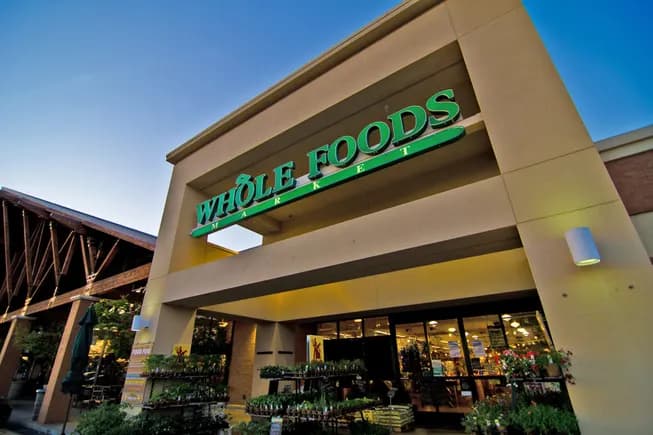
Whole Foods’ fight with workers at its Philadelphia store has become a warning sign for retail employers far beyond grocery. A unanimous National Labor Relations Board order this week rejected the company’s objections to the vote at 2101 Pennsylvania Avenue, keeping alive a union drive that workers launched in late 2024 and won by 130-100 in January.
The case matters because it shows how quickly a local dispute over daily work conditions can turn into a national test of labor relations. Workers at the Center City store first said in November 2024 that they wanted to organize. The NLRB case page lists 297 eligible voters, 230 ballots counted, one void ballot and three challenged ballots, a narrow enough outcome that every challenge drew close scrutiny.

Whole Foods objected soon after the election, arguing that UFCW Local 1776 interfered with workers’ right to a fair vote. In May 2025, an NLRB hearing officer rejected those claims. The board then declined to review the objections, issuing a brief order that said Whole Foods had raised no substantial issues warranting review. The company said it still believed the election was unfair and continued to point to restrictions on free speech and union misconduct.
UFCW Local 1776 has pressed ahead, saying it wants Whole Foods at the bargaining table for a first contract. The AFL-CIO cast the ruling as a workers’ win, while Bloomberg described the case as the start of what could be a yearslong legal fight over whether Whole Foods, now part of Amazon.com Inc., must bargain with U.S. employees for the first time.
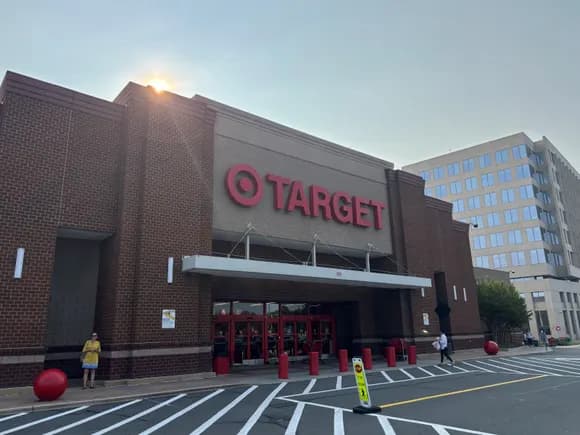
For Target team members and leaders, the practical lesson is less about the specifics of one Philadelphia store and more about the pattern behind it. Organizing momentum tends to build where workers think managers are not hearing them on scheduling, staffing, safety or pay progression. When those concerns linger, they can become part of a larger argument about respect and whether workers have a real voice on the job.
That is why the Whole Foods case is getting attention across retail. It shows that labor pressure is not limited to high-profile strikes or headline-grabbing walkouts. It can grow slowly, through grievance handling, day-to-day communication and whether local leaders address problems before they harden into a campaign. For large retailers, the next labor flashpoint may start with the same issues employees discuss every shift.
This article was produced by Prism’s automated news system from verified source data, official records, and press releases, then run through automated quality and moderation checks before publishing. The system is built and supervised by the people who set the standards it runs under. Read our full AI policy.
Did this article answer your question?