OSHA fines H-E-B after warehouse worker death, cites forklift lapses
OSHA’s fine after Teresa Dominguez’s death shows how a missed forklift reevaluation can turn into a fatal safety breakdown.
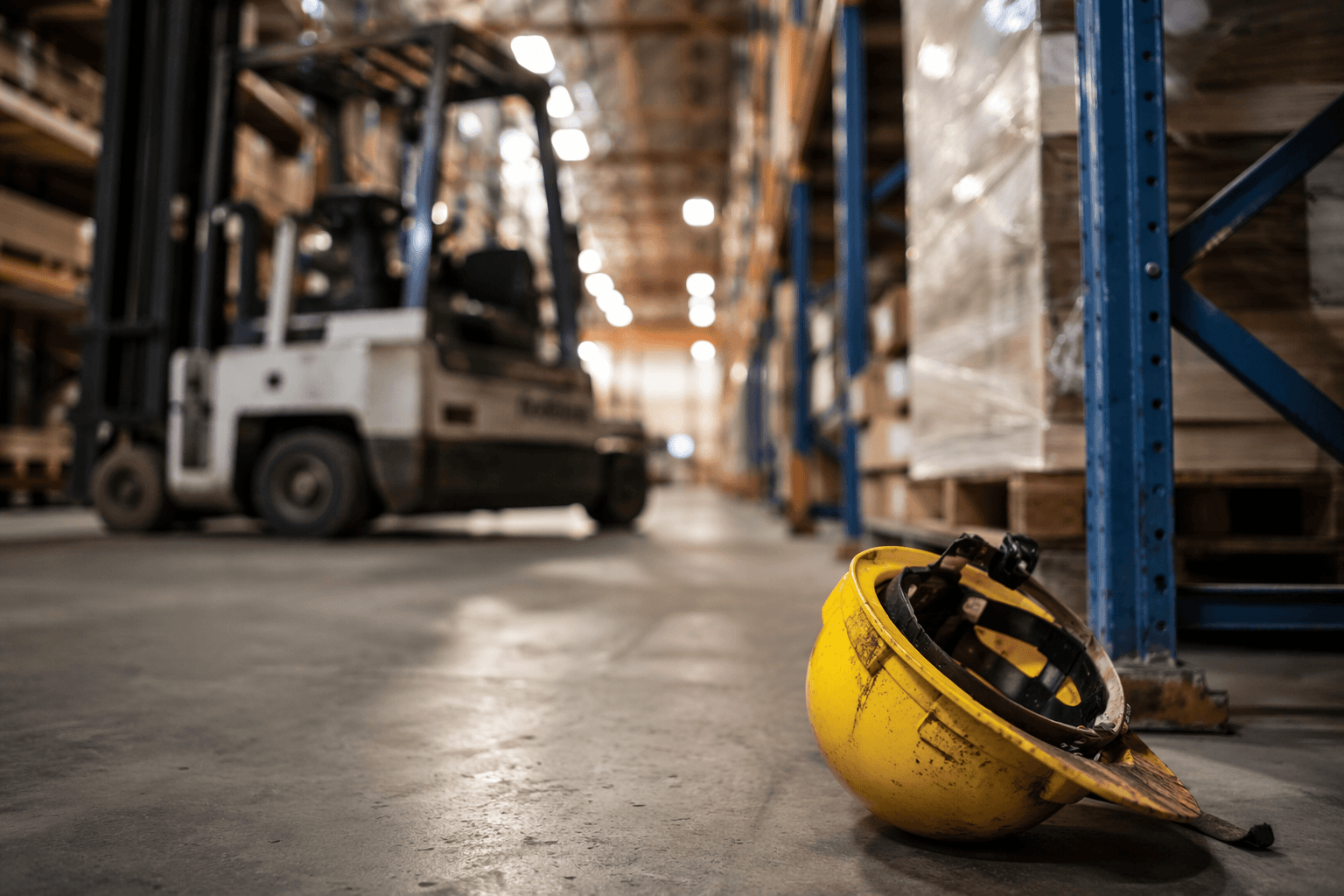
OSHA’s nearly $18,000 fine against H-E-B is a reminder that a warehouse safety system can unravel fast when training is treated as a one-time box to check. The agency cited the San Antonio grocer after Teresa Dominguez died of blunt trauma in a warehouse, and it said the incident was a workplace accident.
The most troubling part of the citation was not just the death itself, but what OSHA said came before it: H-E-B failed to properly reevaluate 30 employees for forklift training within the required window. OSHA said one employee operated a Crown forklift without reevaluation training within three years. In the agency’s view, that is the kind of lapse that can turn an ordinary shift into a fatal one.
H-E-B also faced penalties tied to the warehouse’s physical conditions, including hazardous walking areas and missing handrails or guardrails at numerous locations. The warehouse had already been the site of two workplace deaths in the previous few months. In April, Austin Flores died after suffering a pulmonary thromboembolism from a blunt force injury, and OSHA was still investigating that death.
For Target leaders in supply chain, backroom, asset protection and other operations-heavy roles, the message is direct: “already trained” is not the same as still safe. OSHA says powered industrial truck operators must receive formal and practical training, be certified by the employer, and be evaluated at least once every three years. Refresher training is required whenever an operator shows a deficiency in safe operation. That means retraining should kick in when roles change, equipment changes, or performance slips, not after an incident forces the issue.
Target says it prioritizes preventing injuries and illnesses, expects team members and contractors to follow OSHA standards, and provides extensive team-member training along with leader training for health and safety practices. The H-E-B case is a hard reset for retail and warehouse teams: spot checks, equipment rechecks and escalation paths are part of the job, not extra paperwork. When pressure builds to move faster, the safety work has to tighten, not loosen. H-E-B said it cooperated fully with OSHA and addressed the issues raised in the investigation, but the lesson for the rest of retail is already clear. In a warehouse, missed rechecks can be measured in minutes, not months.
This article was produced by Prism’s automated news system from verified source data, official records, and press releases, then run through automated quality and moderation checks before publishing. The system is built and supervised by the people who set the standards it runs under. Read our full AI policy.
Know something we missed? Have a correction or additional information?
Submit a Tip