Retail hiring stays strong as Target faces pay, AI pressures
Target is holding pay above $18.50 on average as retail adds jobs, but AI-driven staffing and 4.4% private-sector pay gains are raising the stakes.

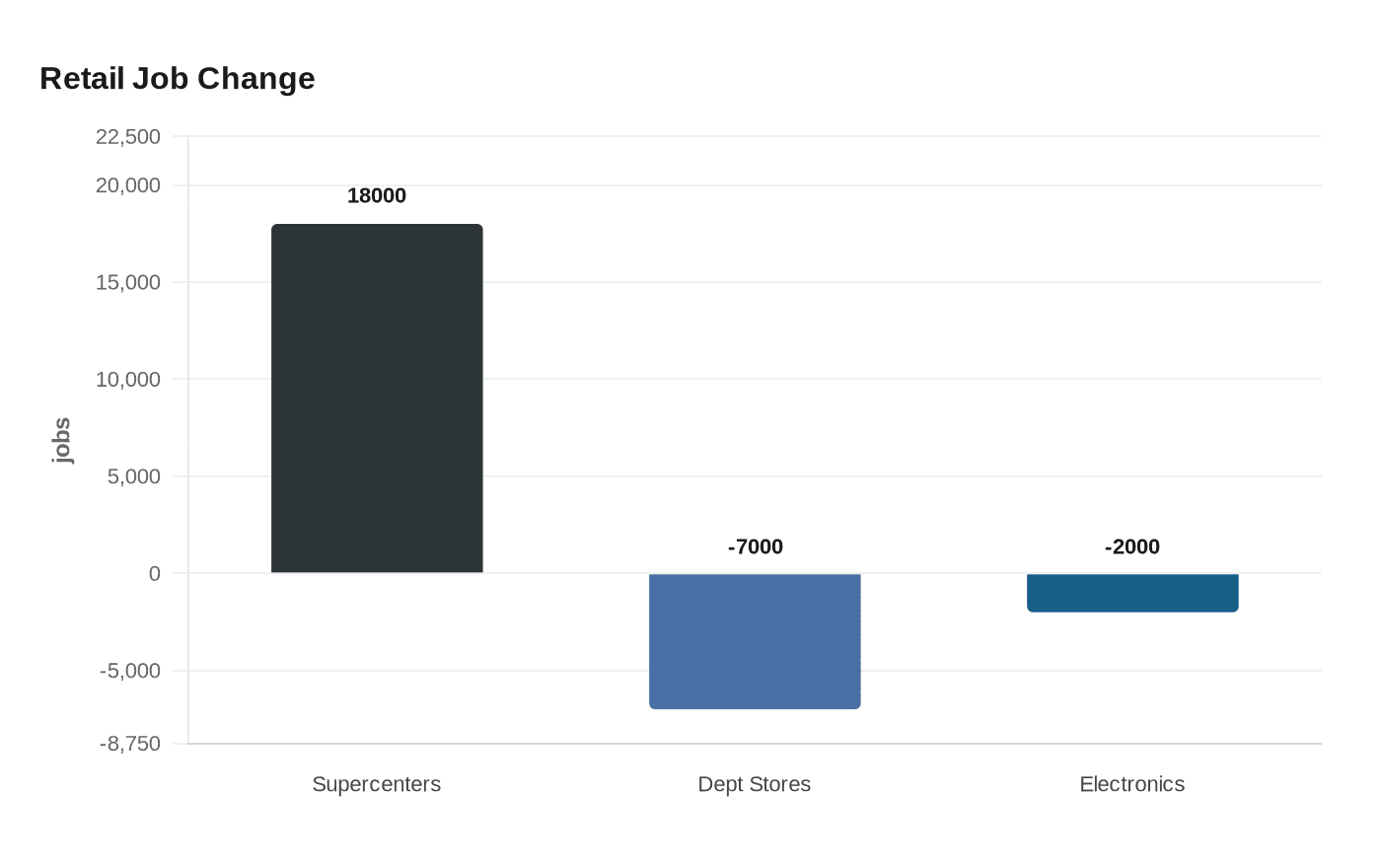
Retail hiring stayed firm in April, but the mix of gains and losses made the message clear for Target workers: pay pressure is still real, and stores that cannot recruit and retain people will feel it on the floor. The U.S. Bureau of Labor Statistics said retail trade added jobs overall, with supercenters and other general merchandise retailers up 18,000, while department stores fell by 7,000 and electronics and appliance retailers lost 2,000. Total nonfarm payroll employment rose by 115,000, unemployment held at 4.3 percent, and retail trade employment had shown little net change over the prior 12 months, a reminder that April’s bump was notable but not a breakout.
WorldatWork’s May 8 News Bytes package added another layer that matters directly to Target’s payroll decisions: private-sector pay gains ran 4.4 percent, and AI was showing up more visibly in hiring decisions and workforce planning. That combination points to a market where starting wages, retention moves and staffing models all have to work harder at once. For Target store leaders, the practical question is not just whether a job is filled, but whether the store can keep enough experienced team members on key shifts without losing people to retailers that can move faster on pay.
Target has already signaled that it expects that kind of pressure. On March 3, the company said it would increase payroll and training as part of its 2026 growth strategy, while also expanding technology and AI use. The company said it planned more than $5 billion in capital investment in 2026 after adding more than $1 billion in incremental investment. It also said it would open more than 30 new stores in 2026, with the first seven opening in March and the 2,000th store set for Fuquay-Varina, North Carolina.
That spending sits beside a pay structure Target continues to promote as a recruiting tool. The company says it was among the first retail chains to adopt a $15-per-hour starting wage more than five years ago, expanded its starting-pay range in 2022 to $15 to $24 per hour depending on role and location, and says its average frontline wage is above $18.50 an hour. Those figures matter because they shape who applies, who stays and how hard individual stores have to work to keep the shelves stocked and the schedule covered when retail labor gets tight.
This article was produced by Prism’s automated news system from verified source data, official records, and press releases, then run through automated quality and moderation checks before publishing. The system is built and supervised by the people who set the standards it runs under. Read our full AI policy.
Did this article answer your question?