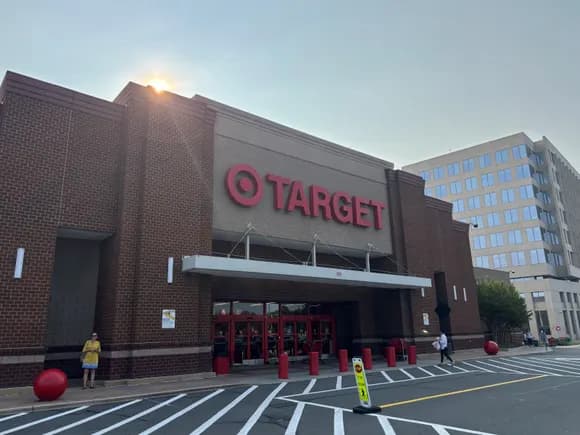
Target ramps up store remodels in biggest transformation in over a decade
Remodels will hit the floor first, shifting aisle traffic, same-day pickups and guest-service pressure long before any new display looks polished.
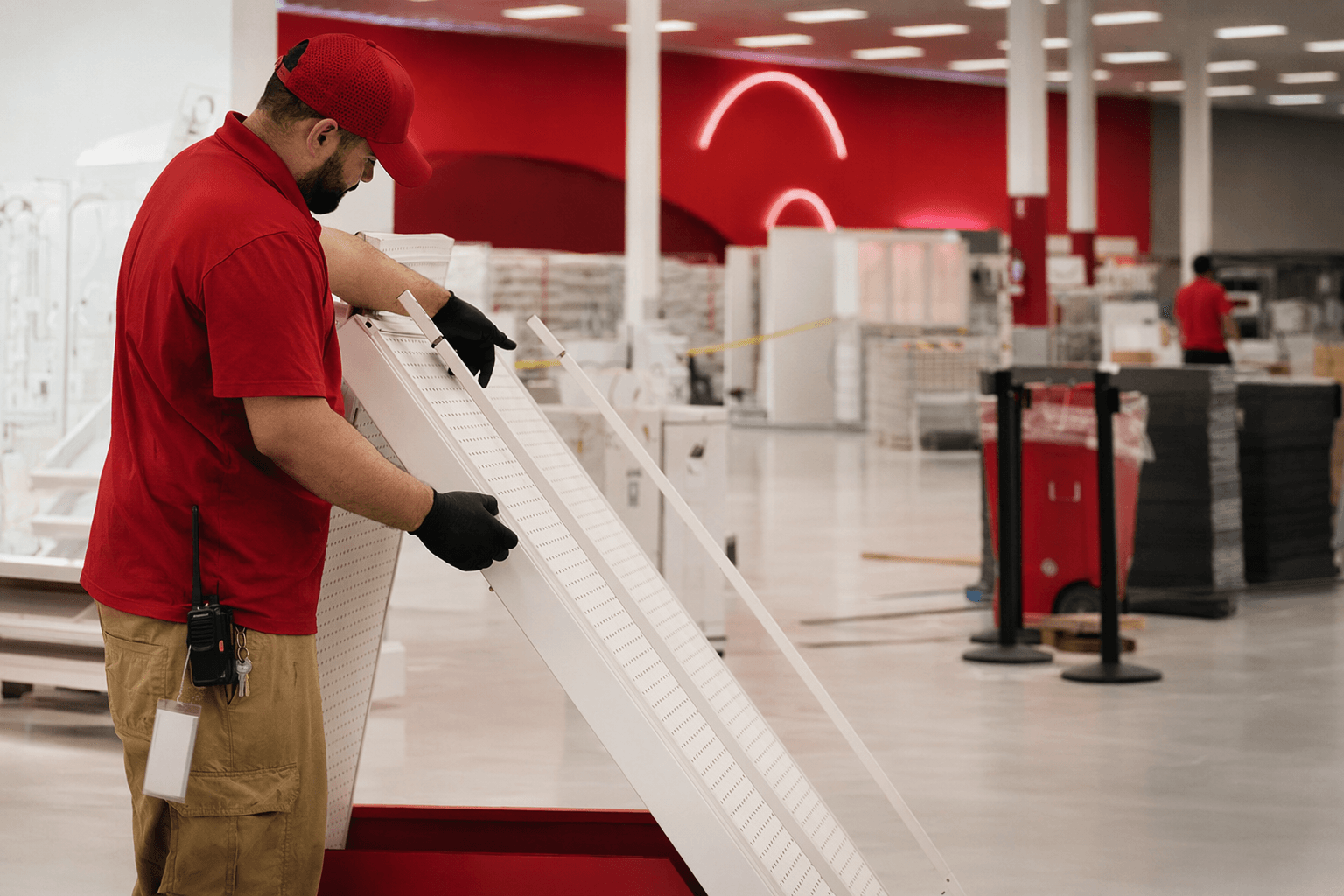
The first sign of Target’s bigger store overhaul will not be a new sign or a glossy endcap. It will be the daily friction on the salesfloor: rerouted traffic, tighter replenishment windows, more questions from guests looking for a moved item, and extra pressure on fulfillment, guest service and operations teams to keep the store moving.
Target said it is ramping up full-store remodels as part of what it called the biggest transformation to its stores in more than a decade. The changes include updated layouts meant to be easier to navigate and discover, plus refreshed displays built to highlight top items, new styles and major partnerships. For team members, that usually means the rhythm of the day changes first, long before the new floor plan feels settled.
That matters because Target’s stores are not a side channel. The company says more than 30 million guests shop its stores each week, typical stores average about 125,000 square feet, and nearly all of Target’s sales, including digital, were powered by stores last year. It also says the majority of the U.S. population lives within 10 miles of a Target store, which means even modest layout changes can ripple across a huge number of shoppers and workers.
The remodel push sits inside Target’s March 3 plan to invest an incremental $2 billion in 2026, including more than $1 billion in additional capital expenditures and $1 billion in additional operating investments. The plan calls for more than 130 full-store remodels and more than 30 new stores, with a longer-term goal of adding more than 300 stores by 2035. Target said the work would bring more changes within all stores than any year in the last decade.
The company’s newest format offers a preview of what that can look like on the floor. Target’s 2,000th store in Fuquay-Varina, North Carolina, is 148,000 square feet, with an open layout and same-day services that include Drive Up with 24 pickup lanes, Order Pickup and same-day delivery. Target said 92% of shoppers at that format are highly satisfied with the overall experience, according to guest surveys. Those services also raise the stakes for the workers who have to keep fulfillment, front-end traffic and guest recovery in sync.

That is why remodels tend to hit fulfillment, visual merchandising and front-end teams first. They are the ones adjusting to shifted traffic patterns, new zoning, temporary bottlenecks and the extra handoffs that come when aisles or departments move. Target has already been leaning harder into service, including an internal 10-4 training program introduced in November 2025 that tells employees to smile and make eye contact within about 10 feet of a guest and consider engaging at about 4 feet.
That training push came after Target cut about 500 roles in a February 2026 restructuring, with no store-level jobs affected, and said the changes would help redirect investment toward stores, labor, hours and guest-experience training. In that context, the remodels are not just about how the store looks. They are about whether teams can absorb more same-day demand, keep the floor readable and make the newer, more service-heavy store model work in real time.
This article was produced by Prism’s automated news system from verified source data, official records, and press releases, then run through automated quality and moderation checks before publishing. The system is built and supervised by the people who set the standards it runs under. Read our full AI policy.
Did this article answer your question?