Rhode Island sets self-checkout staffing rules that could affect Target workers
Rhode Island became the first state to set a self-checkout staffing ratio, forcing grocery lanes to keep one staffed register for every three self-checkouts.
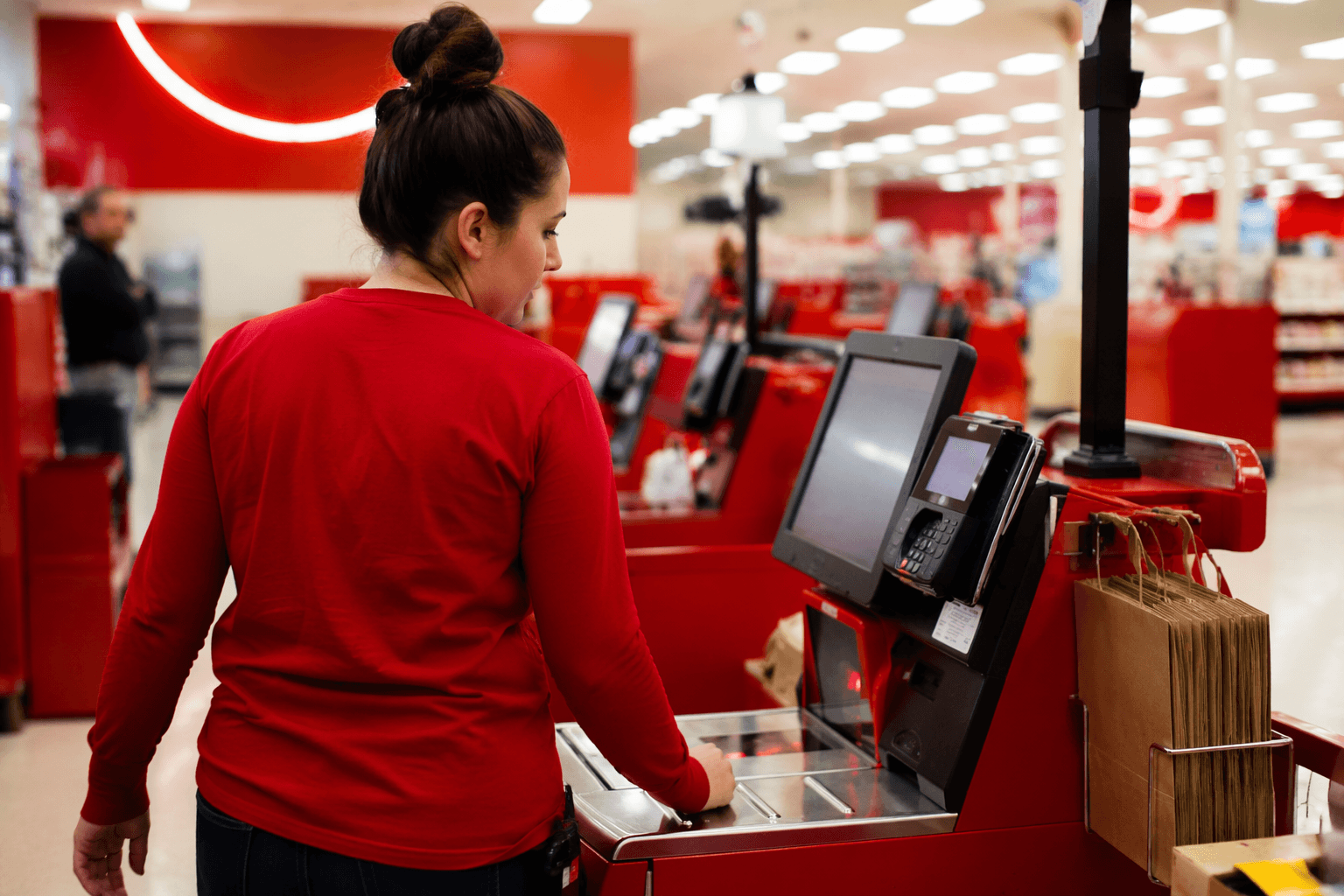
Rhode Island became the first state to write a self-checkout staffing ratio into law, putting new limits on how many grocery customers can be pushed through unattended lanes. Gov. Dan McKee signed S. 2342 and H. 7290 at a ceremonial event on June 25, after the Rhode Island General Assembly approved the bill on June 11.
The new law requires grocery stores with self-checkouts to keep at least one staffed checkout open for every three self-checkouts operating. It also says at least one self-checkout station must meet Americans with Disabilities Act standards, and workers assigned to monitor those lanes must be relieved of all other duties while doing that job. The measure includes exemptions before 8 a.m., after 8 p.m. and during declared emergencies.
For store teams, that last provision goes to the heart of a familiar front-end complaint: one employee is expected to watch multiple guests, catch scanning errors, answer questions, and still handle another task at the same time. Rhode Island’s statute treats that as a staffing problem, not just a customer-service gripe. It also draws a line around accessibility, which could matter well beyond grocery aisles as more retailers move routine transactions to self-service screens.
United Food and Commercial Workers Local 328 backed the legislation and cast it as a jobs-and-service fix. The union said Rhode Island retail theft cost the state $17.1 million in lost sales taxes in 2022, and that thefts were 16 times more likely at self-checkouts than at employee-managed cash registers. That argument gives lawmakers a second rationale beyond labor: self-checkout is no longer just about speed, but about shrink, supervision and who gets blamed when the lane breaks down.
Target is not directly covered by Rhode Island’s grocery-only law, but the precedent lands in a business the company knows well. In February 2026, Target said it would invest more in store labor while cutting about 500 other roles at distribution centers and regional offices. In late 2025, Target also rolled out more accessible self-checkout technology for blind and low-vision shoppers. For team members and leaders on the sales floor, those moves point to the same tension Rhode Island just regulated: automation can change where labor goes, but it does not erase the need for people to supervise it.

The Rhode Island vote also arrived as lawmakers in Connecticut, Massachusetts, New York and Ohio were weighing tighter self-checkout rules. For Target store directors, executive team leaders and assets protection teams, that makes Rhode Island less a local curiosity than a possible template for how the front end gets managed next.
This article was produced by Prism’s automated news system from verified source data, official records, and press releases, then run through automated quality and moderation checks before publishing. The system is built and supervised by the people who set the standards it runs under. Read our full AI policy.
Did this article answer your question?