States move to tighten self-checkout rules, pressuring Target store staffing
States from Rhode Island to Ohio are weighing self-checkout caps as Target trims kiosks and rethinks how many workers it needs at the front end.

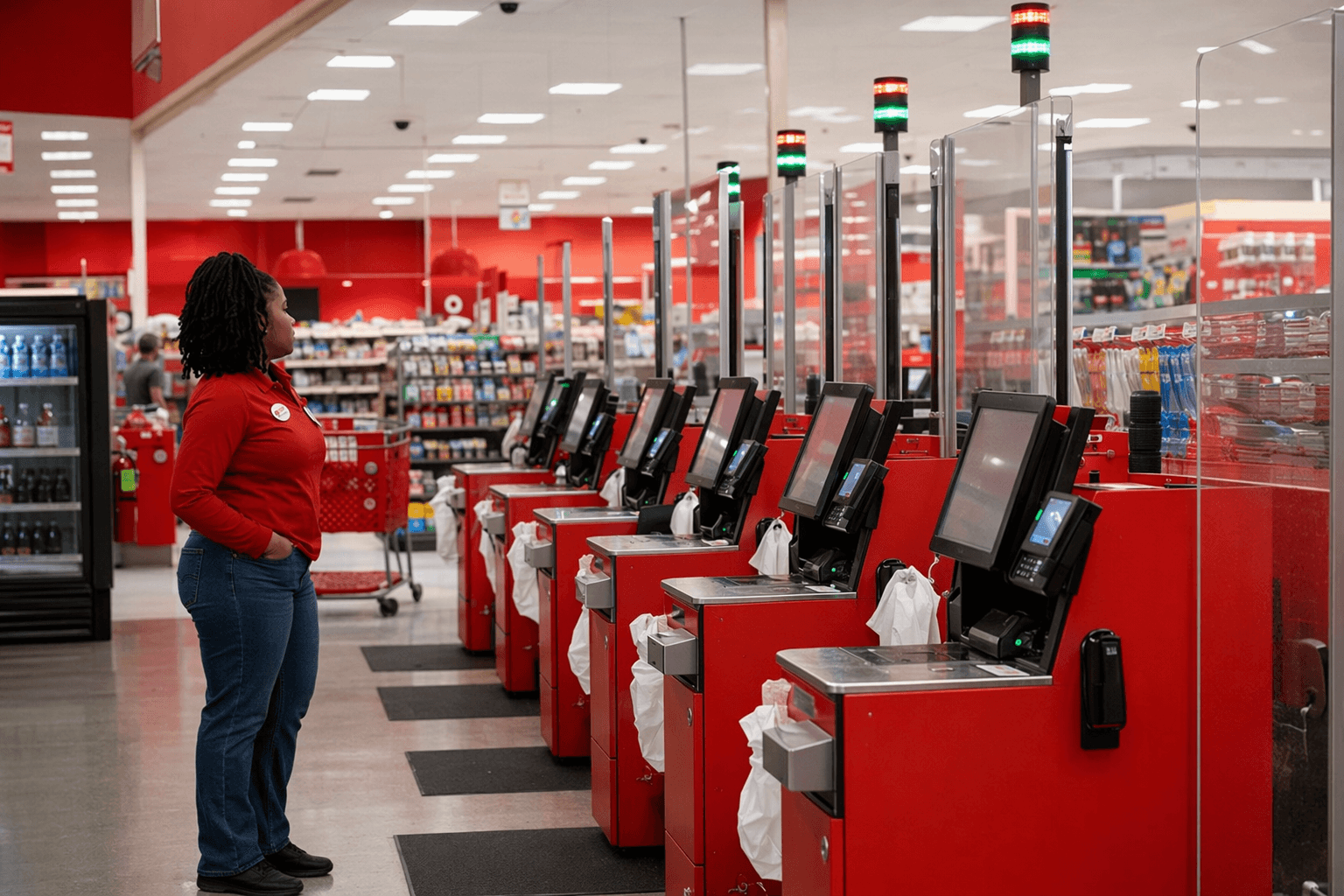
Lawmakers in Rhode Island, Connecticut, Massachusetts, New York and Ohio are moving to tighten self-checkout rules, and the pressure lands directly on the place Target workers feel first: the front end. The proposals would cap the number of kiosks, require staffing ratios and, in some cases, add penalties for stores that do not comply. For Target, that is not a side issue. It can change how many cashiers are scheduled, how lanes are balanced, how quickly guests move through peak hours and how much backup asset protection needs at the door and around the registers.
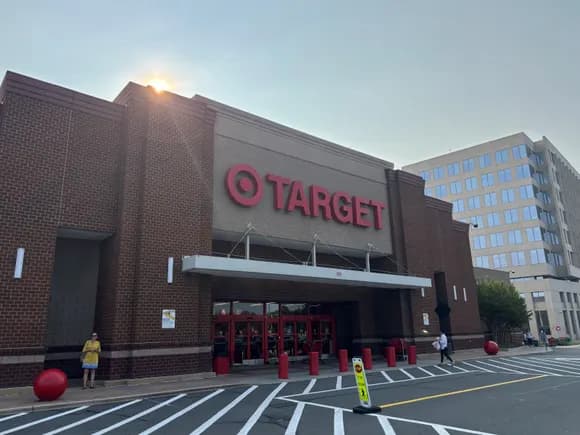
Target already has been adjusting. In March 2024, the company debuted Express Self-Checkout with a 10-item-or-fewer limit at most of its nearly 2,000 U.S. stores, while keeping traditional staffed lanes open for larger baskets. The move was meant to speed up quick trips, but it also signaled that self-checkout is now part of a wider labor calculation, not just a convenience feature. By 2025, some locations had gone further and removed self-checkout machines entirely, showing that the company is still testing how much automation fits with guest service and shrink control.
That matters because retail theft remains part of the backdrop. The National Retail Federation said in December 2024 that retailers saw a 93% increase in the average number of shoplifting incidents per year in 2023 compared with 2019, along with a 90% increase in dollar loss. Those numbers help explain why states are looking harder at kiosks and why Target has treated the front end as an operational pressure point rather than a static setup. If a state requires more staffed oversight, store leaders will have to decide whether that means fewer unattended kiosks, more lane coverage at rush times or more hours pushed toward guest service and front-of-store support.
Target’s own 2025 annual report shows how much money is flowing into that rethink. The company said it planned more than $2 billion in incremental investments across the business, including more than $1 billion in additional operating investments. It also emphasized improving the in-store guest experience, training and team support, all of which become more important if self-checkout rules force stores to put more people where the transactions happen. Team leads may need more coaching on intervention at kiosks, age-restricted item handling and guest recovery when a scanner stalls or a card is declined.
For hourly team members, the practical question is simple: who is stationed where when the line backs up. If states keep tightening the rules, the policy debate will show up in the most visible part of the store, with more human labor pulled back into checkout, more attention on service desk coverage and less room for a fully automated front end.
This article was produced by Prism’s automated news system from verified source data, official records, and press releases, then run through automated quality and moderation checks before publishing. The system is built and supervised by the people who set the standards it runs under. Read our full AI policy.
Did this article answer your question?