Target among brands losing LGBTQ+ consumer support, survey finds
A new survey found 72% of LGBTQ+ shoppers are buying less from companies seen as retreating from DEI, with Target among the brands losing support.

A new Human Rights Campaign Foundation survey found that 72% of LGBTQ+ consumers are buying less from companies they believe are scaling back diversity, equity and inclusion commitments, and Target was one of the brands most often named as losing support. That matters on the sales floor, where values-driven shopping can show up as softer traffic, smaller baskets and a different tone at Guest Services.
The survey lands at a time when LGBTQ+ shoppers represent a major commercial force. The National LGBT Chamber of Commerce estimates that LGBTQ+ consumers account for $1.7 trillion in U.S. spending power, while the Human Rights Campaign says companies seen as retreating from inclusion can lose LGBTQ+ customers at twice the rate of other consumers. The message from both groups is blunt: reduced visibility can look like a retreat from transparency and values, and shoppers respond with their wallets.
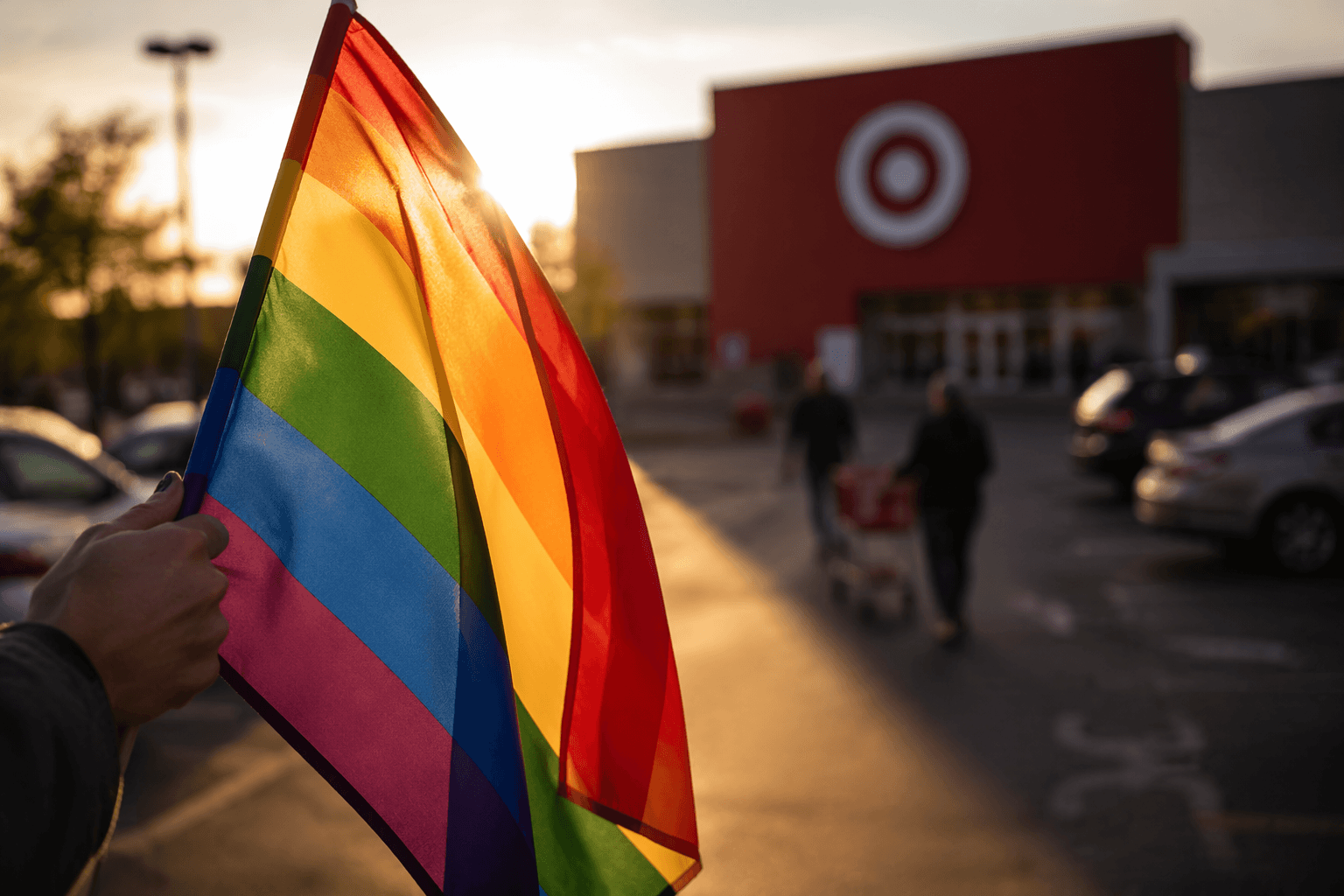
For Target team members, that translates into very specific store-level pressure. When a guest decides to skip a trip, switch retailers or trim spend because of how a company is positioned, the impact can show up in conversion, repeat visits and overall performance targets. It can also change the questions team members hear at the front end during Pride-related periods, when guests may be more likely to ask about product placement, assortments or whether the company is still standing behind its prior commitments. In those moments, calm service recovery and consistent execution matter as much as the merchandise itself.
Target has already lived through the operational fallout of Pride backlash. In May 2023, the company said threats tied to its Pride collection affected team members’ sense of safety and well-being at work. Brian Cornell later said the backlash was one factor that hit fiscal second-quarter sales, which fell 4.8%. The company’s response in 2024 was more limited: it said the Pride collection would be sold on Target.com and in select stores, based on historical sales performance, while continuing year-round support for LGBTQIA+ organizations including the Human Rights Campaign and Family Equality.
That combination of market size, customer sentiment and store execution helps explain why these decisions carry weight far beyond corporate messaging. Costco, Apple and Kroger were among the brands gaining support in the survey, while Target, Walmart and Amazon were among those most often cited as losing it. For store leaders, the lesson is immediate: brand trust does not stay in headquarters. It lands in traffic, basket size, morale and the interactions team members handle every day.
This article was produced by Prism’s automated news system from verified source data, official records, and press releases, then run through automated quality and moderation checks before publishing. The system is built and supervised by the people who set the standards it runs under. Read our full AI policy.
Did this article answer your question?