Target and other retailers rush imports ahead of higher tariffs
Target crews could see freight and backroom pressure build early as retailers pull imports forward ahead of August tariff and fuel cost increases.
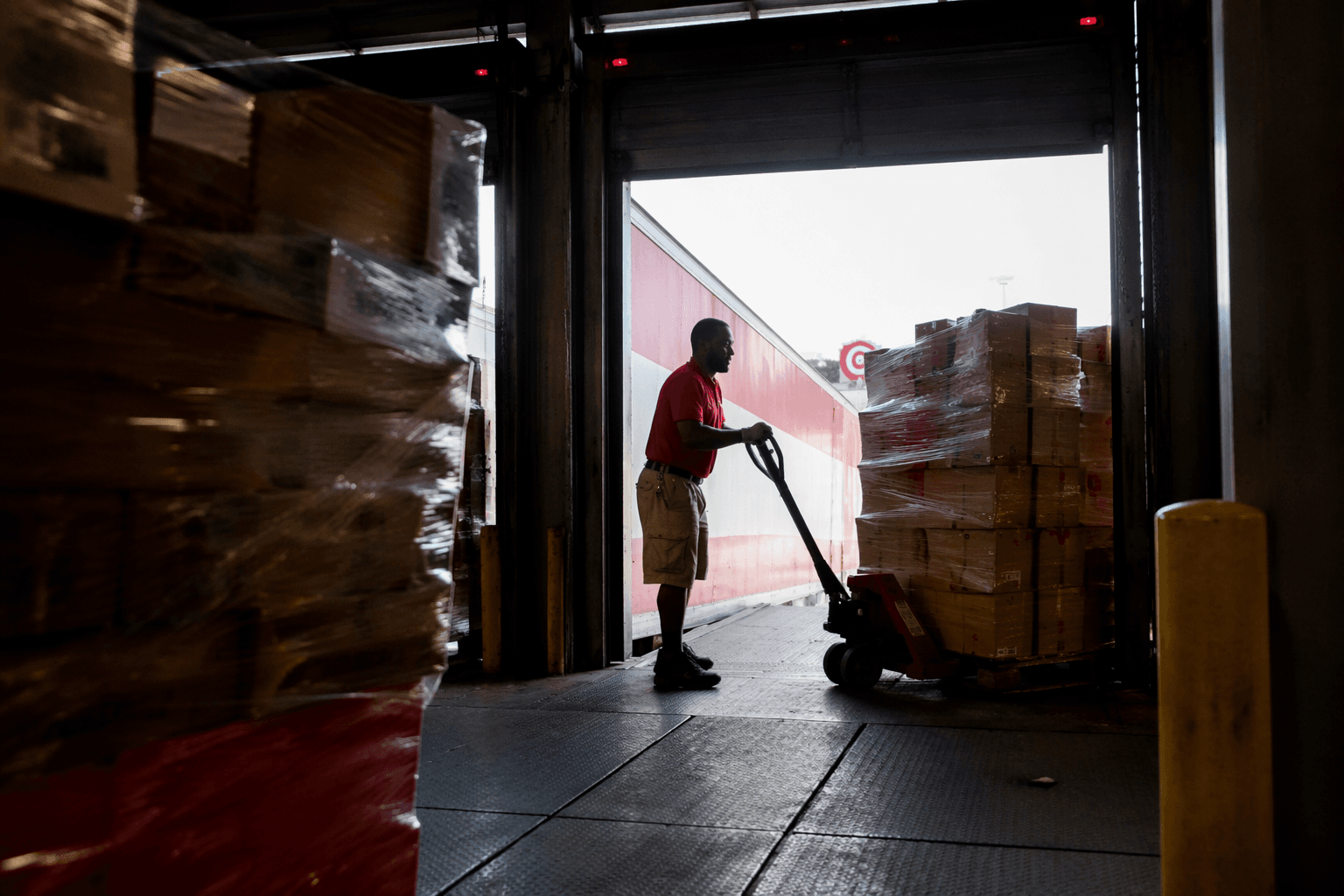
Import volume at major U.S. container ports is set to jump in June, and for Target that can show up first in receiving bays, backrooms and fulfillment aisles long before guests notice anything on the shelf. The National Retail Federation’s June 8 Global Port Tracker forecast 2.25 million twenty-foot equivalent units for June, up 14.3 percent from a year earlier, as retailers rush merchandise in early ahead of higher tariffs and fuel costs that could hit in August.
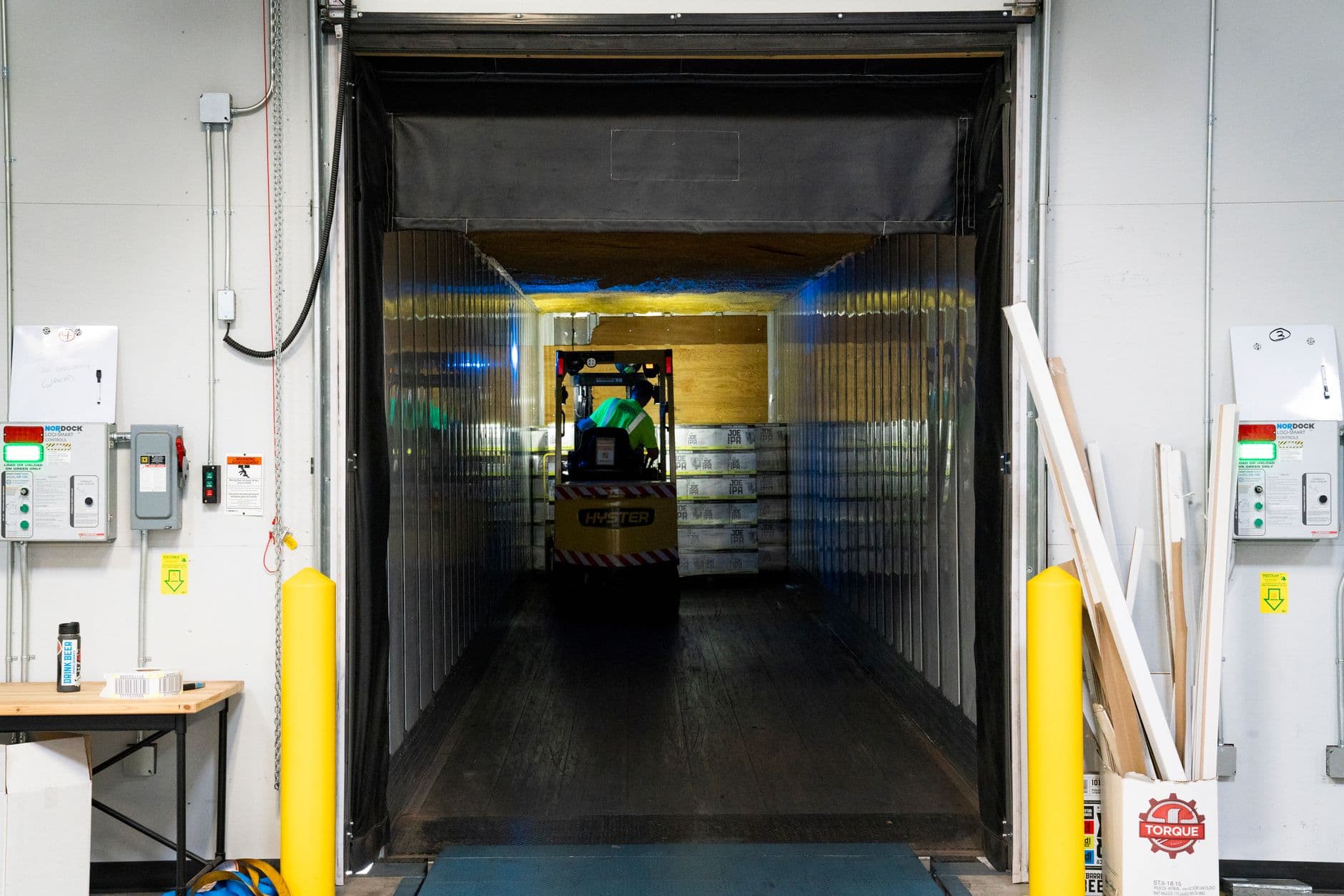
That timing matters on the floor. When retailers pull goods forward, the work moves forward too, putting more freight through distribution centers, inbound teams and store backrooms at the same time. More pallets arriving early can mean tighter storage, more staging, more counts and more pressure on replenishment teams to keep product moving cleanly. Jonathan Gold, the federation’s vice president for supply chain and customs policy, said the June increase is being driven in part by retailers bringing merchandise in early because higher costs from tariffs or fuel prices could start in August. The federation expects import volumes to fall below 2025 levels later in the fall, which could make the next few months uneven for labor planning.
Target’s own filings show why this kind of timing shift lands so heavily inside the company. In its 2025 annual report, Target described the year as shaped by cautious, value-focused consumers and “unprecedented tariff volatility.” The company said fourth-quarter gross margin improved, but that gain was partially offset by higher product and import costs. Target also said last year’s results included non-recurring tariff-related costs and inventory actions taken in response to slower-than-expected sales.
For team leads and executive team leaders, that means import timing is not just a finance issue. Target ended fiscal 2025 with 1,995 stores and 70 supply chain facilities, a network large enough that even small shifts in when goods arrive can ripple into store-level workload, backroom congestion and seasonal set timing. Target reported 2025 net sales of $104.780 billion, down from $106.566 billion in 2024, underscoring how pressure on prices, inventory and demand has already been reshaping operations.
The pattern is not new. NRF made a similar warning in December 2024, saying retailers were front-loading imports ahead of higher tariffs and a possible port strike. Target’s next scheduled earnings conference call is set for August 19, 2026, a date that may bring the company’s next update on tariff costs, inventory timing and the freight flow that store teams feel first.
This article was produced by Prism’s automated news system from verified source data, official records, and press releases, then run through automated quality and moderation checks before publishing. The system is built and supervised by the people who set the standards it runs under. Read our full AI policy.
Did this article answer your question?