Target California leaders brace for July 1 wage and compliance changes
California's July 1 changes will reach Target pay rates, break-room postings, and local rule checks. Team members should verify their wage floor, notices, and paystub.
What might change in my store and what should I verify on my next paystub or schedule? For Target team members in California, the first thing to check is whether the hourly rate at your location still matches the rules that apply there, because July 1 will bring another round of wage hikes in numerous cities and counties, along with broader state law changes beyond wages.
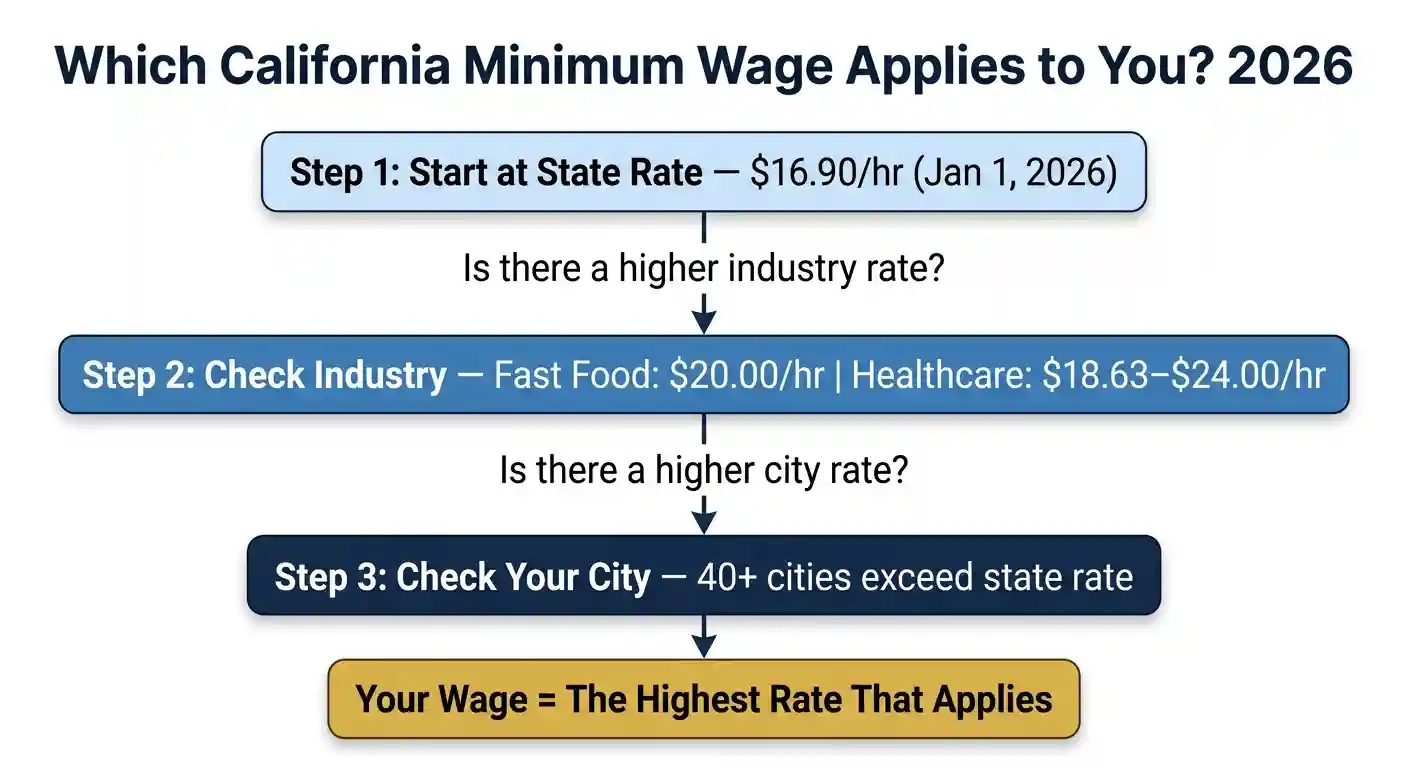
That matters because California’s compliance map is already crowded. The statewide minimum wage is $16.90 an hour as of January 1, 2026, but the California Department of Industrial Relations says some cities and counties set higher rates. UC Berkeley’s Labor Center says its inventory now includes 69 California counties and cities with local minimum wage laws, which means a Target store in one jurisdiction may be operating under a different pay floor than a store a few miles away.
Target’s own pay materials say the company’s starting wage range for hourly team members runs from $15 to $24 across stores, supply chain facilities and headquarters. In California, that means leaders have to make sure the company’s pay structure and the local legal floor line up cleanly on the paystub, not just in a corporate compensation chart. If the base rate looks off, the first place to catch it is the next payroll check.
The paper trail matters too. The California Labor Commissioner says employers must post the statewide Minimum Wage Order and the applicable industry wage order in an area accessible to employees. The state also requires employers to provide the annual California Workplace - Know Your Rights notice by February 1 each year, and the 2026 version is available in English, Spanish, Chinese in simplified and traditional forms, Vietnamese, Korean, Tagalog, Hindi, Punjabi, Arabic and Urdu. At a store level, that means the break room, onboarding materials and any local notice boards should all be current.
California’s Labor Commissioner sent employers a December 31, 2025 letter about significant 2026 wage and hour laws, a sign that the state expects real attention, not a quick policy refresh. For Target’s ETLs, store directors and field leaders, July should be treated as a compliance date as much as a payroll date: verify the correct rate by location, confirm notices are posted, and make sure managers know which rule applies to which address. When the law changes this often, the safest version of retail execution is the simplest one, with the right rate, the right notice and the right local rule in place before the next shift starts.
This article was produced by Prism’s automated news system from verified source data, official records, and press releases, then run through automated quality and moderation checks before publishing. The system is built and supervised by the people who set the standards it runs under. Read our full AI policy.
Did this article answer your question?