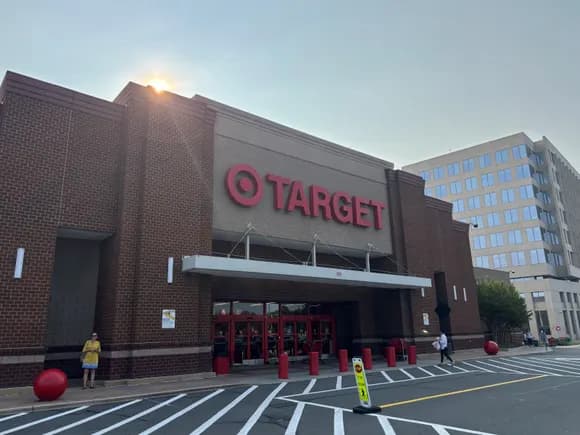
Target Circle Card Reloadable Accounts Closing April 7, 2026, Affecting Store Teams
Target Circle Card Reloadable accounts shut down today, and guests with remaining balances face a wait for a paper check while front-end teams manage the fallout.
A guest walks up to a register holding a Target Circle Card Reloadable, ready to pay. The card declines. The cashier has roughly 30 seconds to explain why, offer an alternative, and keep the line from stacking. As of this morning, that scenario is live across every Target store in the country.
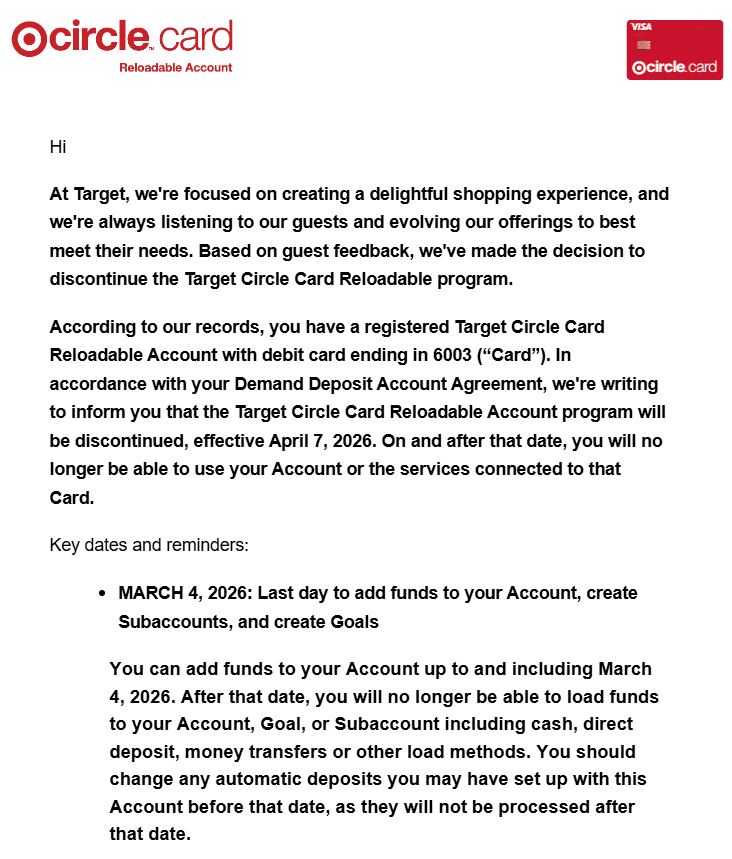
Target closed all Circle Card Reloadable accounts effective April 7, 2026, ending a program that served guests who preferred loading funds onto a store-tied prepaid instrument rather than carrying a traditional credit line. The wind-down was announced months ago through the dedicated reloadable-account site, with three key dates that front-end teams need to know cold. March 4, 2026 was the final day guests could add funds to any account. April 6, 2026 was the last day to spend any remaining balance. That spending window closed yesterday. As of today, accounts are closed and the program is done.
The question most likely to flood Guest Services over the next two weeks is not "why did this happen" but "where is my money." Guests who carried a balance past April 6 did not lose those funds, but they cannot access them at a terminal, through an app, or in any store. Target will issue refunds by mailed paper check. There is no instant credit to a linked bank account, no in-store resolution, and no action a Team Member can take from a POS to accelerate the process. The check comes by mail. Neither guest nor store associate can confirm when it will arrive.
That gap between account closure and check arrival is the highest-risk friction point for front-end teams this week. A guest who loaded $150 onto the reloadable card and spent $100 by April 6 will walk in today expecting to use the remaining $50 and find the card dead. A guest who loaded $200 and forgot to spend any of it before April 6 may genuinely believe that money has disappeared. That second guest, the one who believes money is missing entirely, is the single most important escalation scenario to prepare for. Reassurance and accurate information prevent that conversation from escalating; speculation about check timelines or incorrect guidance at the lane makes it worse.
The safest language for Guest Services and lane Team Members comes directly from Target's own guidance for this closure. When a guest asks why their reloadable card stopped working, say this: "The reloadable accounts are closing on April 7. If you have funds left, Target will mail a refund check after April 7. You can still return items, but for purchases made at other stores with that card you'll need to call our support team to request a refund check; I can give you the number and help initiate that call here." That script is specific, accurate, and routes the guest to the correct channel without requiring the Team Member to guess at timelines or amounts.
What not to say is just as important. Do not tell a guest their check is "on the way" or estimate when it will arrive; that information is not accessible at store level. Do not attempt to process a balance refund through the register. Do not suggest the guest dispute the balance with their bank; the funds were held in a Target-controlled prepaid account, not a bank account, and a dispute will not resolve anything.
Guests who want to review prior transactions or verify their last statement before the check arrives can still log in to the reloadable-account site through July 6, 2026. Directing guests there is a concrete action Team Members can take right now, and it keeps the Guest Services desk from becoming a de facto customer service hotline.

Returns are a separate complication. Standard return procedures apply to anything purchased at Target using the reloadable card. The friction comes when a guest wants to return something bought at another merchant using the reloadable card as a payment method. In that case, the correct path is a call to Target's customer support line, not an in-store adjustment. Front-end teams should know that distinction before the question arrives mid-transaction at a busy lane.
For guests who show up unprepared for the closure and need an alternative payment method today, Target's Circle Card lineup still includes the standard credit card and debit card options, both carrying the 5 percent discount that made the reloadable card attractive in the first place. Guests who valued the reloadable card for its budgeting discipline, specifically the ability to cap spending by loading a fixed amount, can approximate that with the Target Circle debit card, which draws directly from a checking account. Team Members can mention these options without pushing any specific product; the guest makes the call.
Target's official explanation for the program's discontinuation pointed to guest feedback and a strategic decision to concentrate on other Circle Card products. That context is useful background, but it will not satisfy a guest standing at Guest Services with a deactivated card and a balance in limbo. The job is to move the interaction accurately and quickly.
Executive Team Leaders managing the front end should track a short set of daily metrics starting now, held through at least two weeks past today. The numbers that matter are reloadable-related guest interactions per day, average handle time on those interactions, return and refund volume tied to reloadable transactions, and any documented lost sale where a guest left without completing a purchase because the deactivated card was their only payment method. That last metric is worth capturing specifically: it measures whether the closure needed more proactive guest communication before April 7, and it gives central teams something concrete if a post-mortem is warranted.
The reloadable program's closure is complete as of this morning. The operational tail, guests seeking refund checks, guests navigating return complications, guests who missed the spending window, runs well past today and into May. The teams that handle it cleanly are the ones who have the right answer ready before the guest finishes asking the question.
This article was produced by Prism’s automated news system from verified source data, official records, and press releases, then run through automated quality and moderation checks before publishing. The system is built and supervised by the people who set the standards it runs under. Read our full AI policy.
Did this article answer your question?