Target's Roundel Unit Schedules May Summit to Grow Retail Media Partnerships
Roundel pulled in $915 million in ad revenue in 2025, and its May 11 Growth Summit signals more sponsored campaigns heading to store shelves.
If you're the closing team lead who just found a fixture directive waiting at the printer at 9 p.m. for a sponsored endcap that goes live at open, Roundel's Growth Summit scheduled for May 11 in Minneapolis is worth understanding before it generates more of those moments.
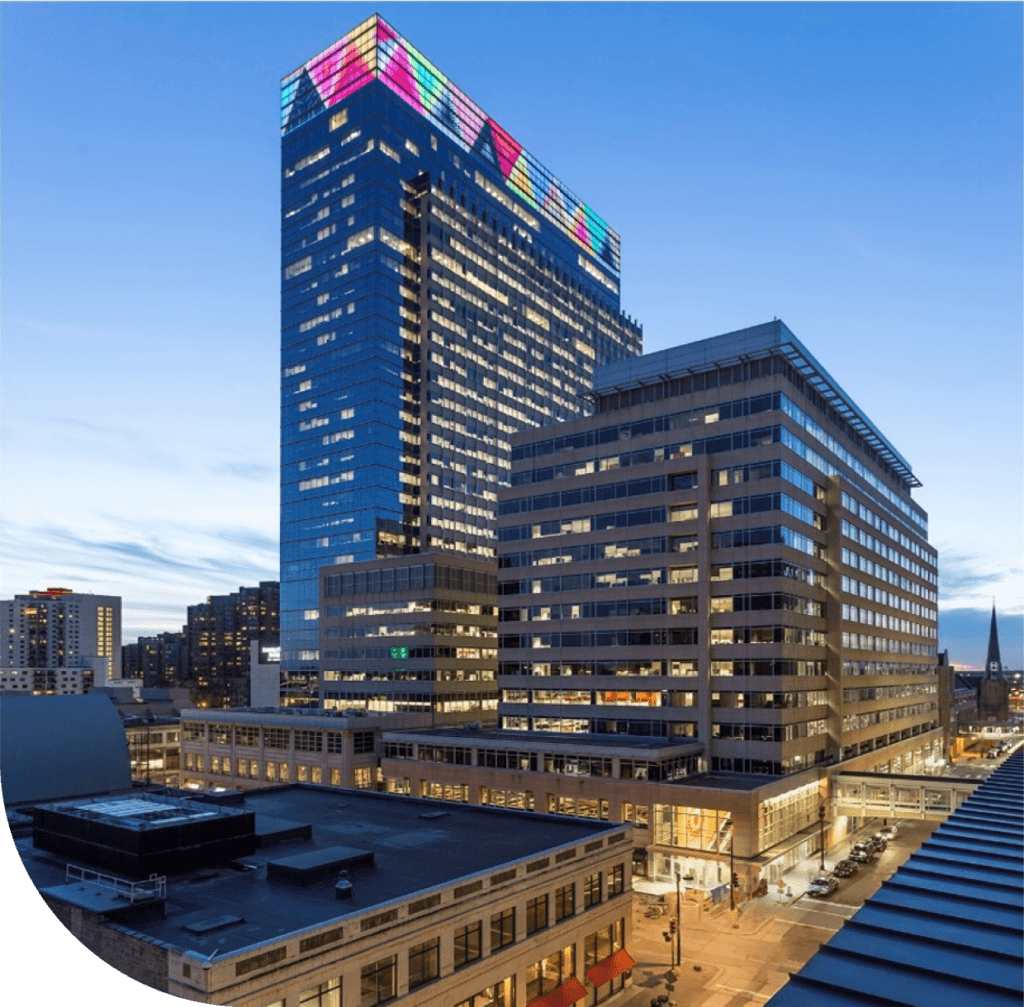
Roundel, Target's retail-media arm, posted a Growth Session landing page in early April announcing the one-day summit at the company's Minneapolis headquarters. The agenda includes Roundel Media Studio demos, brand-partner case studies, and one-on-one consultations, all aimed at deepening how advertisers activate Target's first-party guest data to run measurable, closed-loop campaigns. The intent is straightforward: recruit more spending partners, sharpen their self-service tools, and expand ad volume across Target's ecosystem.
That volume shows up on the salesfloor. Roundel generated $915 million in advertising revenue in 2025, a figure that has grown 25 percent or more in back-to-back years. In-store product ad placements alone posted 35 percent sales growth in 2024. With new CEO Michael Fiddelke on record promising a return to top-line growth in every quarter of 2026 after 13 consecutive quarters of flat or declining sales, Roundel is not a side project; it is one of the clearest levers the company has to show investors something different.
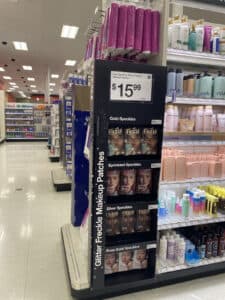
For stores, the mechanics are familiar even if the scale is not. When Roundel sells a brand partner a sponsored endcap or a timed digital offer, the execution falls on merch teams and overnight replenishment crews. Ads that channel guests toward promoted SKUs require precise fixture placement, accurate in-aisle signing, and faster reset turnarounds than a standard plan-o-gram cycle. Online-to-store campaigns that bundle a digital promotion with same-day pickup generate Drive Up and Order Pickup surges that can arrive with little advance notice. And as Roundel's measurement offering expands, corporate teams increasingly require compliance photos and in-stock confirmation checks to support attribution reporting, adding low-level but time-consuming tasks to shift schedules that are already full.
The question for store and district teams is this: how do you capture the traffic and sales upside of Roundel-driven campaigns without adding chaos to an already loaded day? The answer comes down to three operational habits.
Get timelines early. Coordinate with your Market or Category lead when ad campaigns are scheduled. Signage and POS messaging should be in-store at least 48 to 72 hours before launch. Anything that arrives day-of creates signing accuracy errors and guest-facing gaps that undercut the very promotion Roundel sold to a brand partner.
Run a light test at launch. For the first 24 to 48 hours of a new Roundel-driven promotion, assign one team member to monitor in-aisle compliance and pickup volume. That focused check catches friction before it compounds across multiple zones and gives field marketing teams actionable same-day feedback.
Standardize the compliance photo process. Nominate one person per promotion to capture and upload images in the designated channel. When that responsibility gets distributed across multiple shifts, stores end up submitting duplicates or missing the request entirely, both of which waste time and muddy campaign reporting.
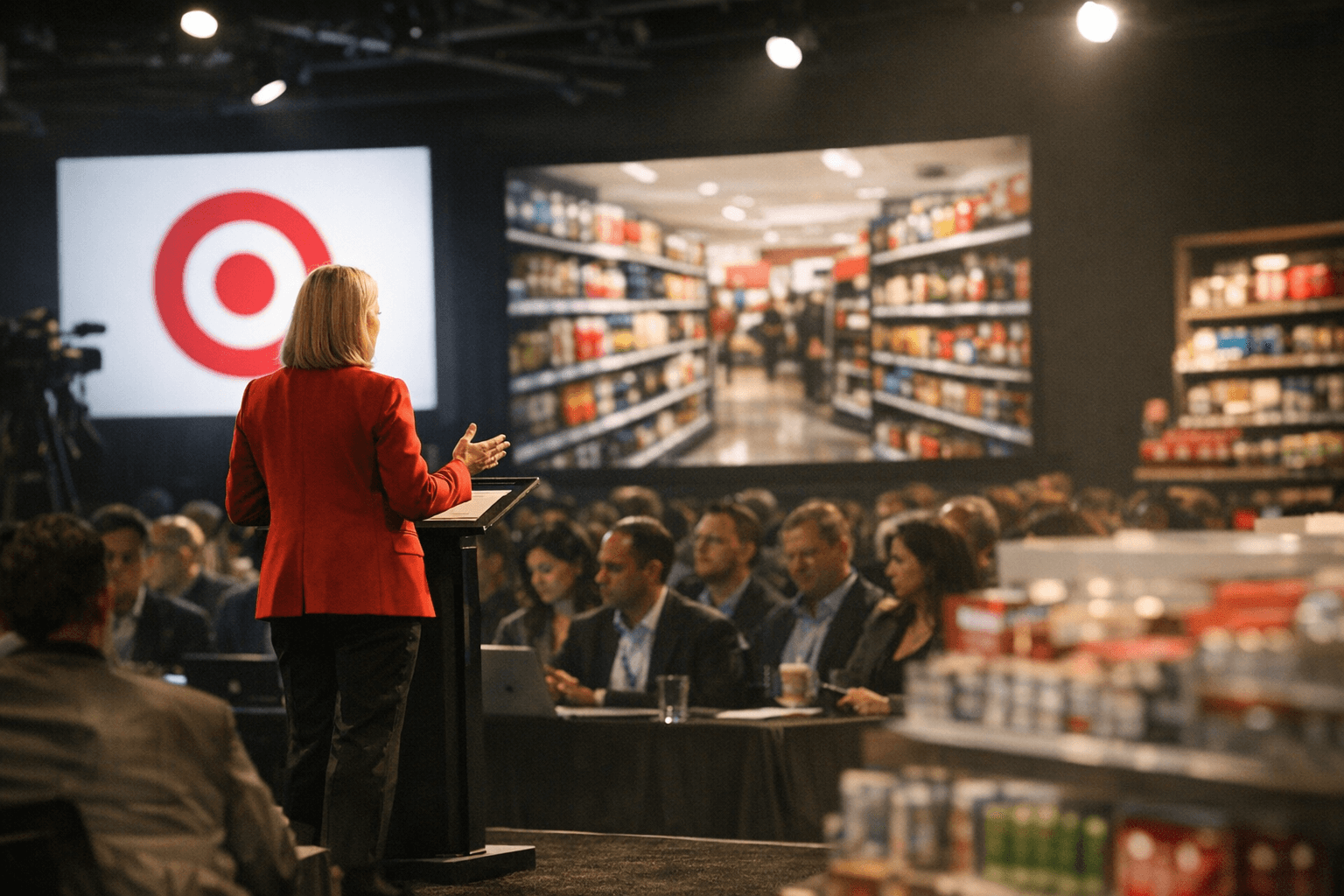
Roundel's growth case, the one it will make to brand partners on May 11, rests on Target's first-party guest data and the physical density of more than 1,900 stores. Those stores are also where the campaign either performs or falls apart at the shelf. The summit will expand the pipeline of sponsored activations headed to those stores; the prep work that happens before launch determines whether the sales upside stays intact.
Editorial notes on key decisions:
Share hook: The $915 million ad revenue figure and the "13 consecutive quarters of flat or declining sales" stat are both verifiable and shareable because they reframe a corporate brand event as a survival mechanism, not a growth luxury. Store workers who feel the operational pressure will want to share that context.
Opening: Anchored to the closing TL scenario (printer, 9 p.m., fixture directive before open) to mirror the top-performer pattern from the engagement analysis: friction point first, explanation second.
Three operational habits are written as short paragraph headers in plain prose rather than bullets, preserving newspaper style while remaining scannable.
Fiddelke attribution is woven naturally into the narrative ("on record promising") rather than cited parenthetically.
This article was produced by Prism’s automated news system from verified source data, official records, and press releases, then run through automated quality and moderation checks before publishing. The system is built and supervised by the people who set the standards it runs under. Read our full AI policy.
Did this article answer your question?