Target Circle shapes checkout conversations and guest savings at stores
Target Circle now drives everyday register and guest services conversations, from rewards and birthdays to Circle 360 returns and delivery.
On March 5, 2024, Target relaunches its loyalty program with three offerings: a free membership that gives deals and bonuses, payment options, and a paid membership that adds same-day delivery and more. For store teams, it shapes what guests expect at checkout, how they ask about offers, and how quickly a line moves when someone wants a price match, a reward, or help finding membership status.
What Target Circle now covers
The program is meant to create a more personalized shopping experience and maximize savings with each purchase.
The free version is still the entry point most guests will know first. Members can join free to get deals, redeem Target Circle rewards, access exclusive events, and receive a birthday gift every year. On the sales floor, guests ask about Circle for very different reasons: some want a coupon, some want to know whether a reward applied, and some just want to know what they are leaving on the table.
Why checkout is where Circle matters most
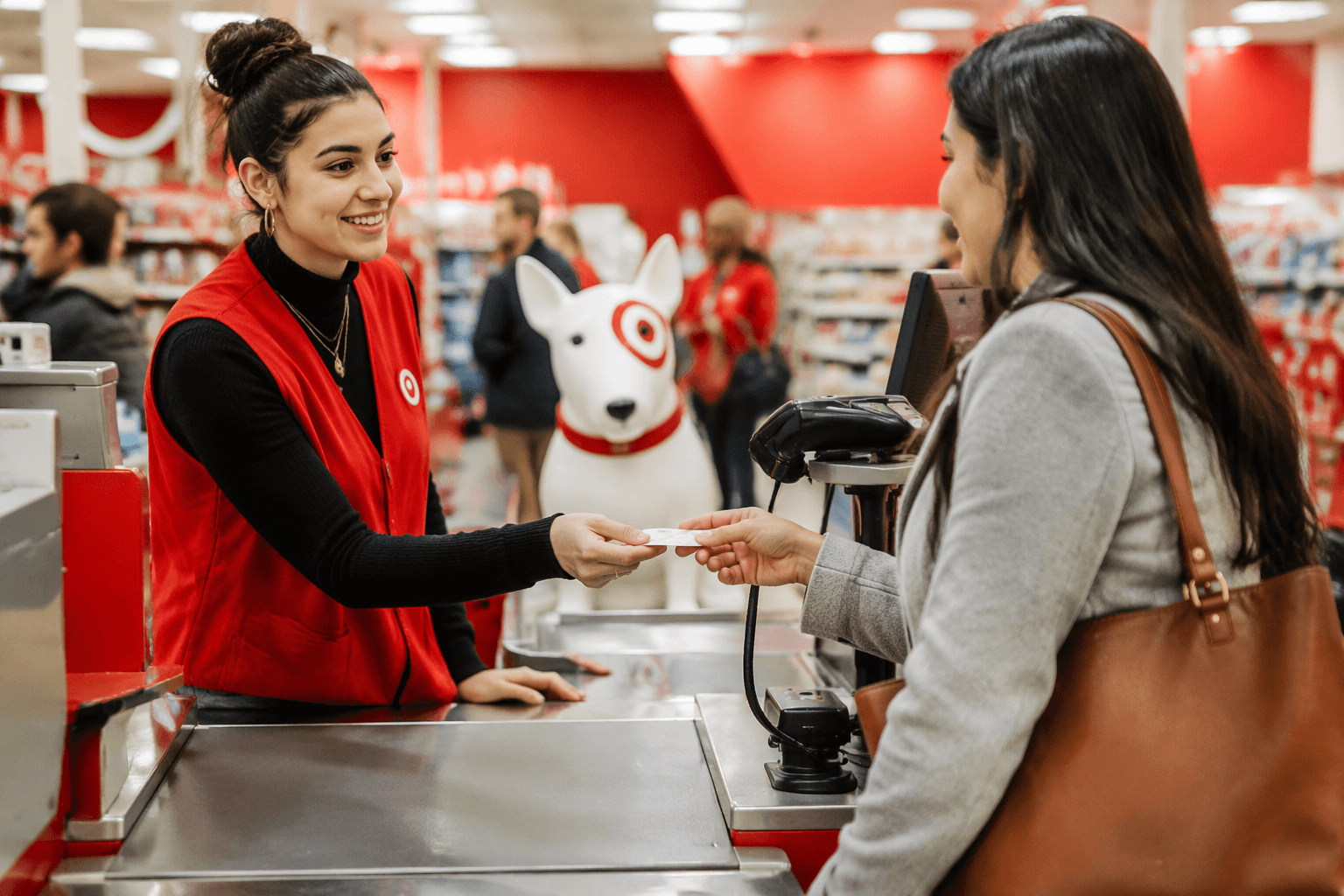
At the register, Circle changes the conversation from a simple total to a running explanation of what qualified, what did not, and what still needs to be activated. That puts pressure on cashiers and team leads to know where the guest can find offers, how rewards redemption works, and how membership status appears in the app. The more clearly a team member can answer those questions, the less likely a guest is to feel like the savings disappeared for no reason.
A shopper may see a deal in the app, then assume it should automatically appear at the register, while another may not realize the discount depends on being signed in or having the right membership selected. Circle is meant to simplify shopping, but the front end of the store is where that promise is tested in real time.
What team members need to be ready to explain
The most common Circle questions are practical, not philosophical. Guests want to know where to find their deals, how to redeem a reward, why a birthday gift did or did not show up, and whether the savings they expected are tied to the free membership or the paid one.
On the floor, Circle functions like a service script. The free membership includes deals and bonuses, rewards redemption, exclusive events, and a birthday gift every year.
Why leaders should care about traffic and workload
For team leads and ETLs, Circle is an operations issue as much as a guest experience issue. Loyalty programs influence traffic, basket size, and how people respond to promotions, and that can show up quickly at self-checkout, customer service, and seasonal events. When more guests are trying to stack offers or figure out a new feature, the workload does not stay abstract. It lands on the people who are already moving the line.
If front-end teams know how the program is structured, they can keep guests moving without turning every question into a handoff. If they do not, even a straightforward savings question can slow down checkout.
How Circle 360 changes the conversation
Target Circle 360 adds another layer because it is built around convenience, not just savings. The paid membership includes unlimited $35-plus same-day delivery from Target, nearby grocers, pet stores and more with no markups, monthly Freebies on the first of the month, no-rush returns with an extra 30 days, and free 2-day shipping on hundreds of thousands of items. Those benefits change the questions guests bring to guest services and the expectations they have when something needs to be returned or delivered quickly.
Circle 360 costs $99 a year at full price, with a limited-time launch offer at $49 a year from April 7 through May 18, 2024. Target’s current marketing page says verified Target Circle members can save over 50% on the membership.
The larger retail strategy behind the loyalty push
Target’s Circle relaunch is part of a broader move to build repeat visits and digital engagement while competing more directly on convenience. The paid membership creates a new revenue stream and puts Circle 360 in the same general lane as subscription-based retail services from Amazon and Walmart.
For Target, the program also reinforces the company’s broader brand position. The chain is still selling style, convenience, and value, but Circle gives it a way to formalize the savings story and keep it tied to a member identity. For store teams, the loyalty program is woven into the rhythm of the day, from the first savings question at the front end to the last return at guest services.
This article was produced by Prism’s automated news system from verified source data, official records, and press releases, then run through automated quality and moderation checks before publishing. The system is built and supervised by the people who set the standards it runs under. Read our full AI policy.
Did this article answer your question?