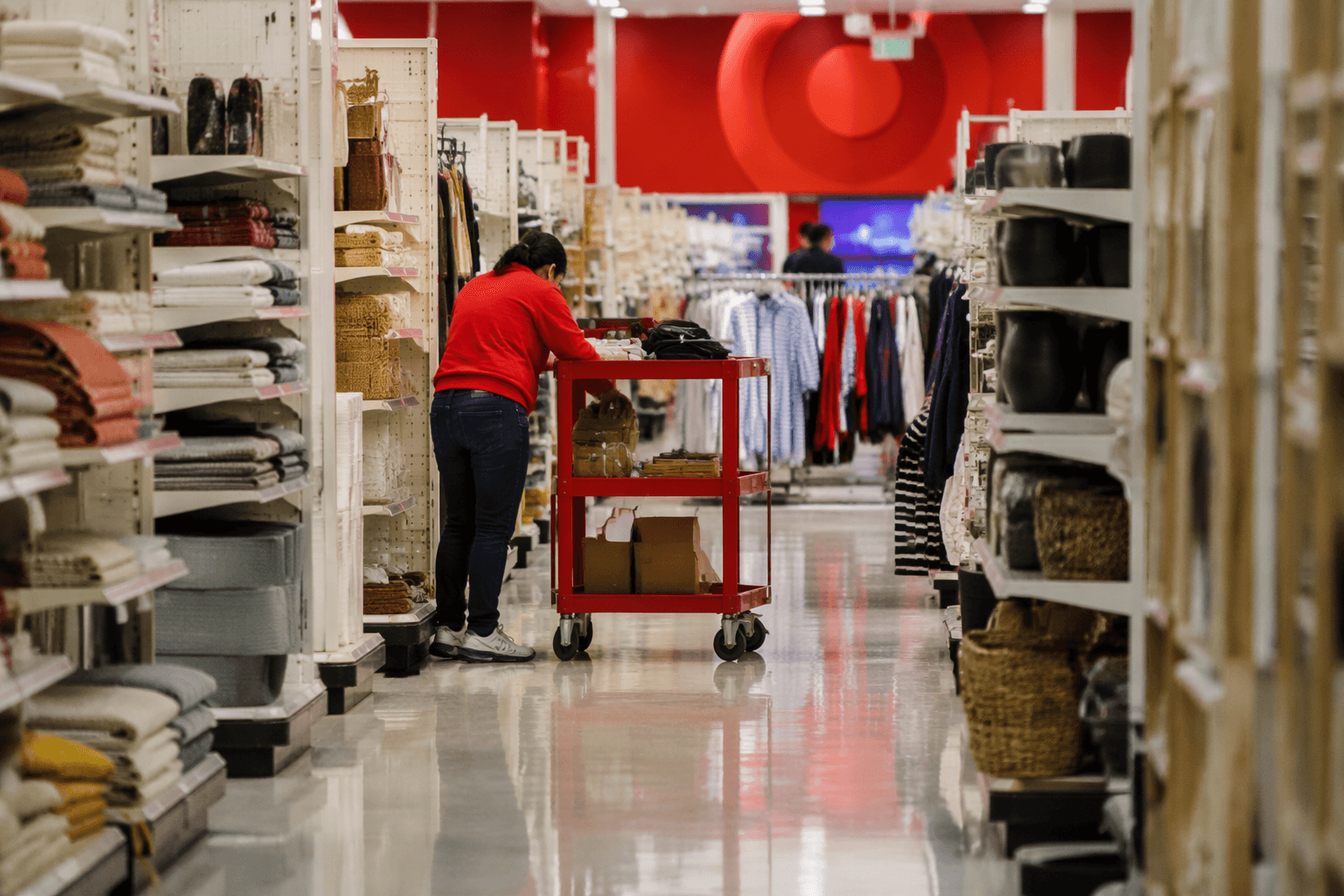
Target closing team members reset stores for the next day
Target's closing team members do more than lock up. They reset departments, protect safety, and give the morning crew a clean handoff.

When the sales floor empties at Target, the closing team decides whether the next morning starts organized or already behind. Their job is built around resetting the store for morning guests, which means recovery, zoning, go-backs, cleanup, and the small judgment calls that keep the building safe and ready.
What closing really covers
Target’s official Closing Team Member role sits in the company’s Stores career area. The work helps reset the store for the next day and support guest experience and safety, which puts the role squarely inside store operations rather than as a leftover task at the end of the night.
That reset can include recovering merchandise left in the wrong place, zoning aisles so shelves and displays look full and orderly, handling go-backs, and tidying high-traffic areas that need to look clean and navigable before the next opening team arrives. The practical goal is simple: leave the store in a condition that reduces friction for both guests and team members.
Target’s current career pages also list related store roles such as Closing Team Leader, 11 PM Closing Expert, General Merchandise, Closing, Fulfillment, and Overnight Inbound.
Why the handoff matters
The end-of-night handoff is where closing work becomes visible to everyone else in the building. If a closing team member notices a messy department, incomplete recovery, or an unresolved issue, the point is to communicate it clearly so the morning crew does not inherit a surprise. Strong closing routines make the next shift easier because they reduce clutter, limit rework, and help the store open with a clearer picture of what still needs attention.
That is also why the role rewards detail, pace, and steady communication. Closing shifts can feel more structured than peak daytime work because the day’s priorities are usually defined by the time the team takes over. But the work still requires constant judgment: what can be finished now, what needs to be handed off, and what issue is serious enough to escalate before the doors close for the night.
Target’s workplace health and safety commitments add another layer to that responsibility. A closed store still has to be safe for team members moving through departments, resetting fixtures, or preparing for the next morning.
What team leads are expected to do
The closing team leader role shows how much Target expects the end of the night to do for the whole store. One closing team leader posting includes overseeing closing routines, coaching team members, delivering guest-centric service, driving store profitability, and partnering with store leadership to execute store strategies. Another posting emphasizes guest service fundamentals and fostering a guest-first culture across the store.
Closing leaders set the tone for how the store behaves after the rush has passed, make sure team members know what good recovery looks like, and keep the floor aligned with store leadership priorities. A separate posting also notes responsibilities that include access to all areas of the building to respond to guest or team member issues, interpreting instructions, reports and information, and accurately handling cash register duties.
Why closing is a retail skill, not an afterthought
Closing work teaches the habits that retail depends on across departments. Prioritization shows up when time is tight. Accountability shows up when the store has to be left ready for the next day. Teamwork shows up when one area cannot be finished well unless another area communicates what still needs attention.
Those skills transfer across the store, from general merchandise to fulfillment to style and guest service. Target places closing roles alongside other core store jobs rather than treating them as peripheral labor. The company’s Stores career area is framed around bringing best-in-class service to every guest by creating a welcoming, joyful store experience, and closing is part of the machinery that makes that possible.
Target operates more than 1,900 stores in the United States.
How closing fits Target’s bigger store strategy
The importance of closing lines up with Target’s broader investment in the in-store experience. In March 2024, Target announced plans to deliver an enhanced shopping experience in 2024 and beyond. Its 2024 annual report later showed total 2024 merchandise sales of $104.82 billion.
Target planned a $1 billion investment in guest experience and more than 30 store openings in 2026.
This article was produced by Prism’s automated news system from verified source data, official records, and press releases, then run through automated quality and moderation checks before publishing. The system is built and supervised by the people who set the standards it runs under. Read our full AI policy.
Did this article answer your question?