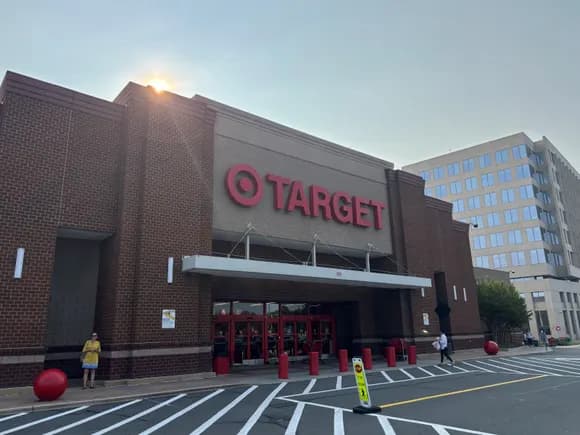
Target continues executive reshuffle amid ongoing leadership changes
Target added another top supply chain leader as a year of executive changes continued to ripple through stores, logistics and merchandising.
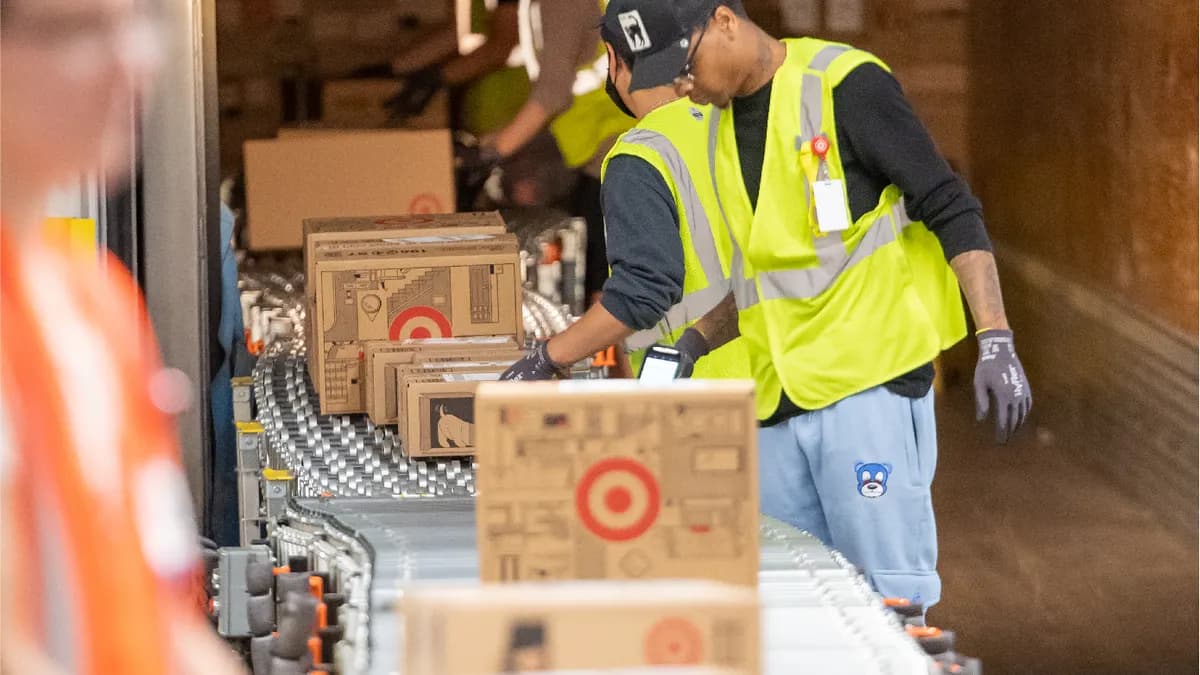
Target’s latest executive move lands in the parts of the business employees feel fastest: supply chain, merchandising and store operations. Jeff England joined as executive vice president and chief global supply chain and logistics officer on May 31, another change in a leadership lineup that has been shifting since early 2025.
England’s arrival puts fresh attention on how quickly products move from more than 60 supply chain facilities into more than 2,000 Target stores. For team members on the sales floor, in backrooms and in distribution work, that matters in practical ways: fewer stock gaps, tighter delivery timing and more pressure on the people who keep shelves full and online orders moving.

The reshuffle has not been limited to one role. On Feb. 10, Target said Cara Sylvester would become chief merchandising officer and Lisa Roath would become chief operating officer under CEO Michael Fiddelke. The company also said Rick Gomez would depart and Jill Sando would retire after 29 years with the retailer. Those changes pushed decision-making deeper into the areas that shape what stores carry, how they run and how often workers are asked to adjust to new priorities.
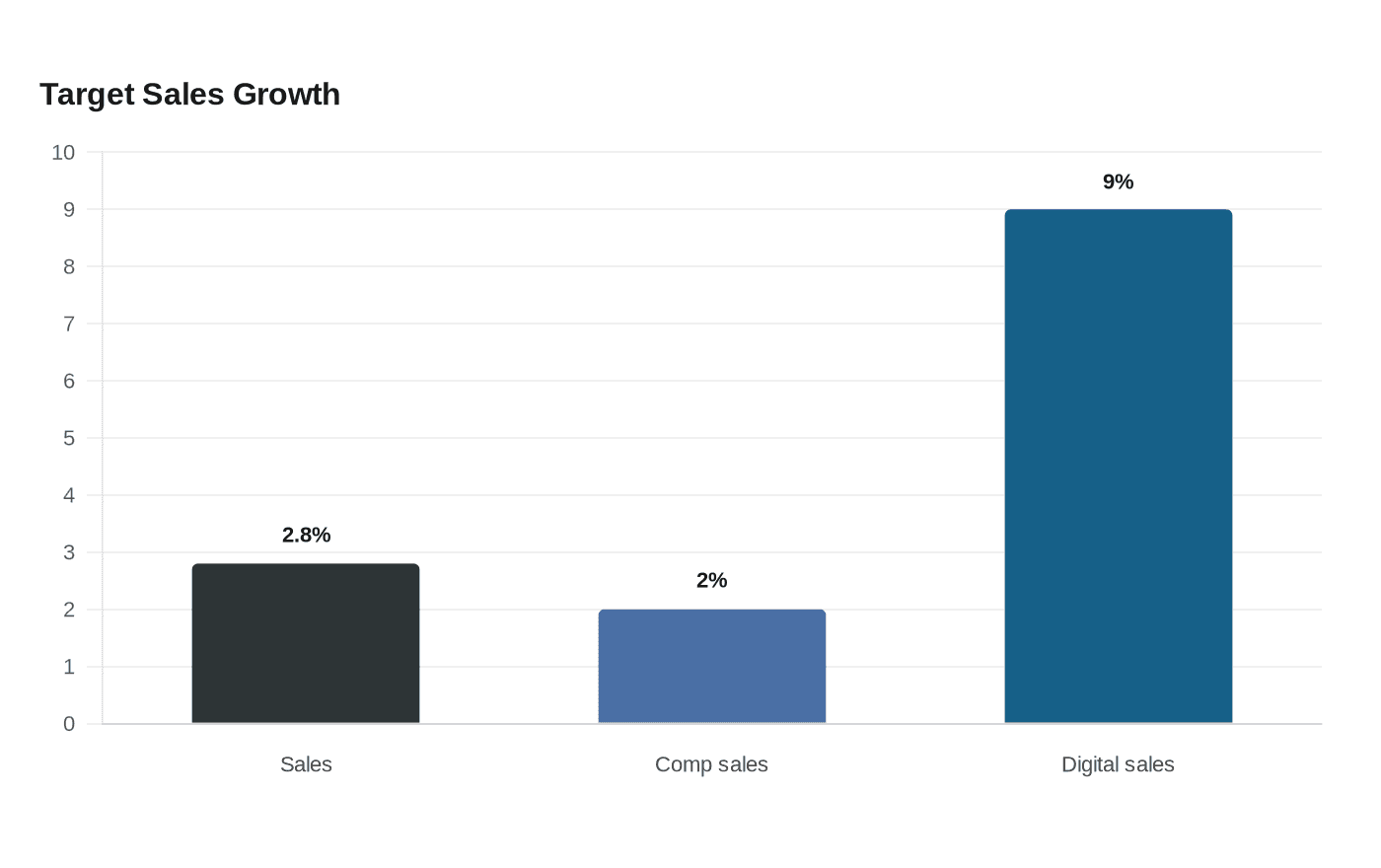
The broader reset began before Fiddelke took over as chief executive on Feb. 1, 2026. Target first announced leadership team changes on Jan. 16, 2025, after reporting that November and December sales rose 2.8%, comparable sales rose 2.0% and digital sales grew nearly 9% from a year earlier. By May 21, 2025, the company had created a multi-year Enterprise Acceleration Office to improve speed and agility, with Fiddelke overseeing the effort while other leaders saw their responsibilities shift.
Target later said on Aug. 20, 2025 that Fiddelke would succeed Brian Cornell as CEO, with Cornell moving to executive chair. Since then, the company has framed the changes around merchandising authority, guest experience, technology and stronger teams and communities. That is the corporate language; on the job, it usually translates into faster calls from headquarters, more pressure on store execution and fewer chances for local teams to wait out uncertainty.
For Target’s more than 400,000 full-time, part-time and seasonal team members, the pattern is hard to miss. The company is reorganizing the top while trying to move faster underneath it, and the people on the floor are the ones who will live with the pace.
This article was produced by Prism’s automated news system from verified source data, official records, and press releases, then run through automated quality and moderation checks before publishing. The system is built and supervised by the people who set the standards it runs under. Read our full AI policy.
Did this article answer your question?