Target details supply chain labor and human rights standards
Target’s supply chain policy reaches far beyond sourcing teams: it sets supplier expectations, backs audit oversight, and gives store workers a standard for ethical questions.

Target’s supply chain labor and human rights policy does more than live on a corporate webpage. It tells team members, vendors, and investors what Target says it will tolerate in the network that gets products from factories to the sales floor, and it ties that standard to “fair, responsible and equitable supply chain practices.”
That matters in a company that generated $104.820 billion in total merchandise sales in the fiscal year ended February 1, 2025. When Target sets rules for suppliers, it is shaping the conditions behind a massive retail operation, not just drafting compliance language for a small back-office function.

What the policy says about Target’s standards
Target’s Responsible Supply Chains page is explicit about the company’s posture: “In line with our Target Forward vision, we are committed to pursuing fair, responsible and equitable supply chain practices. We hold ourselves to the highest ethical standards and we expect our business partners to do the same.” That is the clearest signal in the material about the kind of company Target wants to be. It is not just saying it avoids obvious violations. It is saying ethical sourcing is part of the brand promise.
The Standards of Vendor Engagement makes the scope even broader. Target says it requires “all vendors, suppliers, third-party sellers, manufacturers, contractors, subcontractors and their agents” to abide by its standards. For employees, that matters because the company is not limiting these expectations to a handful of direct factory relationships. It is pushing standards through the whole chain, which is the only way a retailer of Target’s size can claim real oversight.
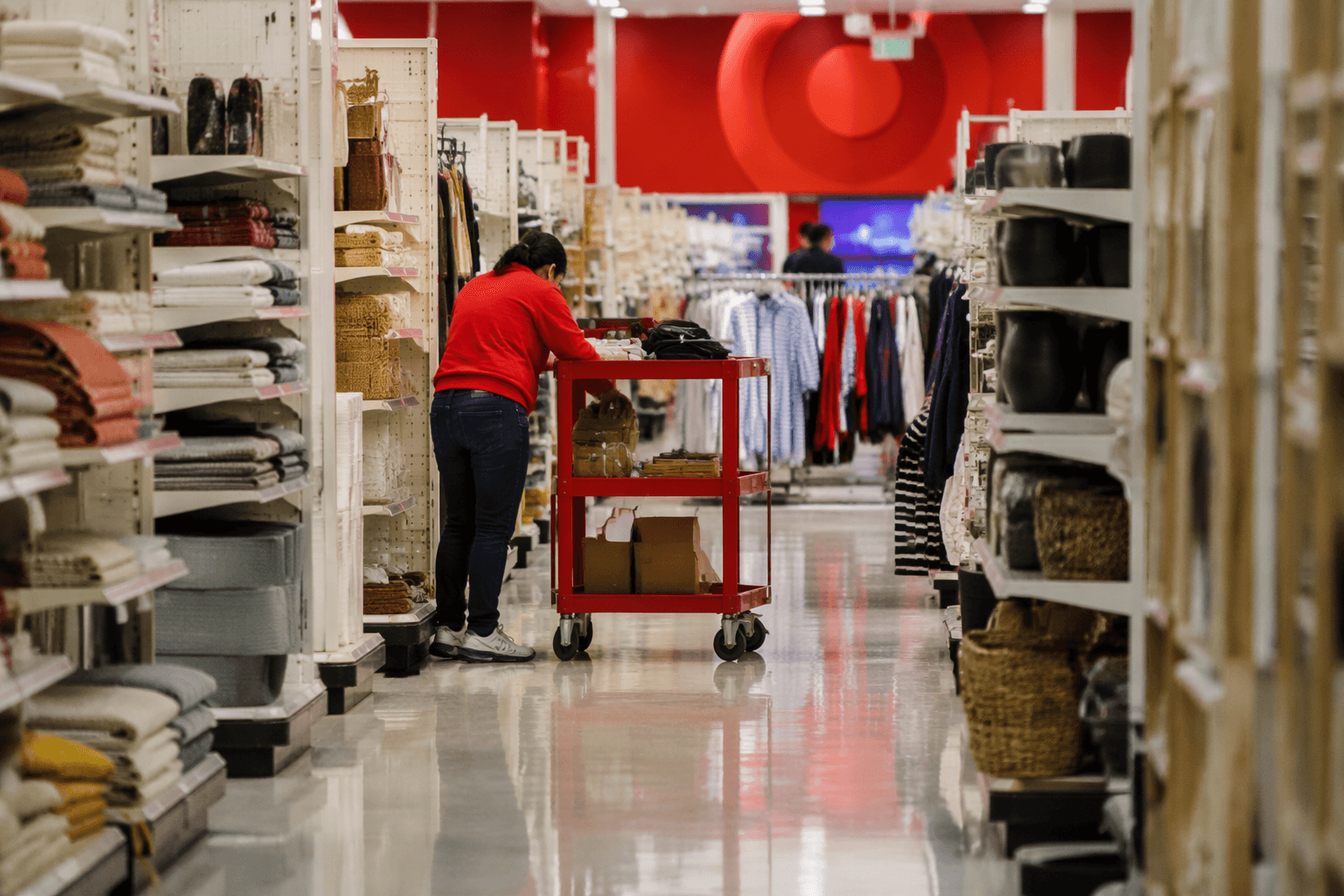
That language also helps explain why supply chain issues often spill into everyday retail work. A team lead on a busy floor may never review a supplier contract, but the products arriving in the building still sit inside the standards Target has set. If a guest asks whether the company takes labor conditions seriously, the answer is connected to these documents, not just to a slogan on a wall.
How Target connects labor standards to governance
Target does not frame responsible sourcing as an isolated policy tucked away from the rest of the business. Its 2024 Sustainability and Governance Report includes a section titled “Responsible Supply Chains,” and the table of contents also includes “Operating Ethically.” That placement matters because it shows the company is treating labor and human rights as part of governance, not as a side project reserved for sustainability teams.
The same report’s appendix includes a “Responsible Supply Chains” section along with reporting indexes such as GRI, SASB, SDG, TCFD, TNFD and UNGPRF. For workers, that signals that Target is packaging this topic inside its formal reporting structure, where it can be measured, tracked, and compared against other disclosures. In practical terms, that is one way a company tries to prove that its public standards are not just messaging.
Target also has an Audit Program for Responsible Sourcing & Sustainability. That is the operational piece that sits behind the policy language. A standard without an audit or monitoring mechanism can sound aspirational; a named audit program tells employees and outside stakeholders that Target is pairing expectations with oversight.
Why this reaches well beyond sourcing and compliance jobs
The clearest internal takeaway is that responsible sourcing is not only for the people whose titles mention supply chain or vendor management. Target’s corporate materials describe its mission as partnering across the value chain to drive meaningful change through a holistic assessment of the social, environmental and business impacts of products and packaging. That language reaches into corporate responsibility, legal, sustainability, merchandising, and store operations, because all of those functions are connected to how the company presents itself to guests.
For store leaders, the policy can become a practical reference point when shoppers ask where products come from or whether Target takes human rights seriously. A published policy gives managers something concrete to point to instead of improvising a response. That is especially important at a retailer where brand trust is built in small moments, from what is on the shelf to how confidently employees can speak about the company behind it.
It also helps explain the culture Target is trying to project internally. The company’s public human-rights and responsible-sourcing pages use the language of human rights, labor rights, environmental stewardship, traceability and transparency. Those are not abstract values in this context. They are the terms Target uses to define what responsible retail should look like upstream, where the products are made and the risks are easiest to hide.
What employees should take from the policy
For team members, the most useful way to read this document is as a map of the standards behind the products in the building. It shows that Target is telling suppliers to meet the company’s expectations, and it shows that the company is presenting those expectations as part of Target Forward, its broader sustainability strategy. That means responsible sourcing is not separate from the business model. It is one of the ways Target says it will protect its brand, manage risk, and maintain credibility.
It also sets a tone for ethical decision-making inside the company. If a policy says Target and its business partners should hold themselves to the highest ethical standards, then the same logic applies when employees make choices about vendor relationships, product concerns, or how to answer guest questions. The policy gives the organization a common language for those decisions, even when the person using it works far from procurement.
Target’s scale makes that language matter. A retailer with more than $104 billion in annual merchandise sales cannot rely on good intentions alone. The policy, the vendor standards, the audit program, and the sustainability reporting all point to the same expectation: if products are going to wear the Target name, the company wants the supply chain behind them to meet a standard it says is fair, responsible, equitable and worthy of public scrutiny.
This article was produced by Prism’s automated news system from verified source data, official records, and press releases, then run through automated quality and moderation checks before publishing. The system is built and supervised by the people who set the standards it runs under. Read our full AI policy.
Did this article answer your question?