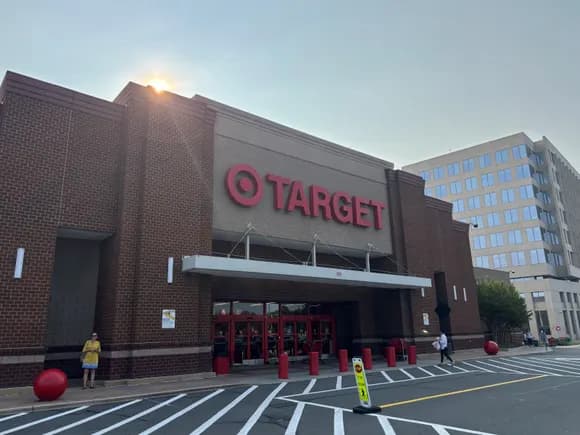
Target expands EV charging network to 300-plus locations nationwide
Target said its EV network topped 300 locations in 42 states, adding 3,000-plus stalls that can reshape parking-lot flow and front-end congestion.

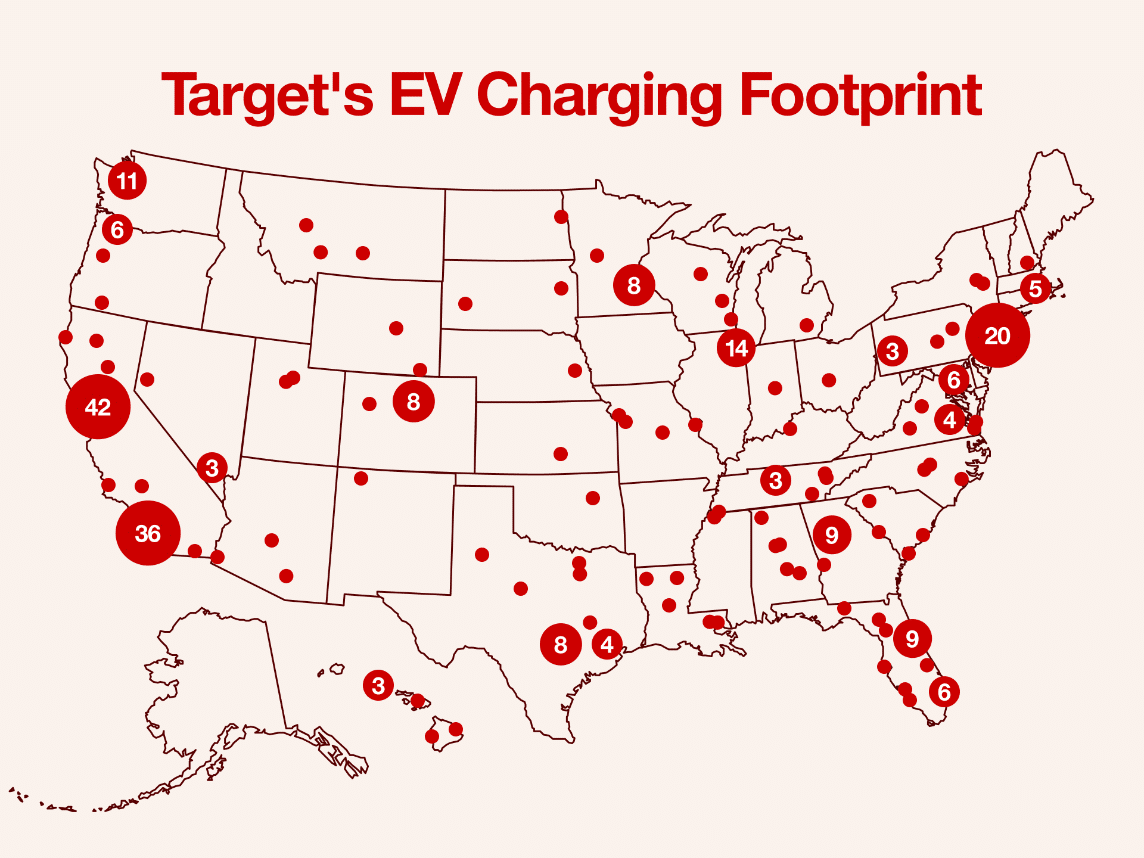
Target has built out more than 300 EV charging locations across 42 states, with 3,000-plus charging stalls now on its lots. The retailer said 35 more sites were under construction and 100-plus were in development, a footprint that has grown by more than 200% since 2020.
For store leaders, the practical effect is not the charger itself but the traffic pattern around it. A guest plugged in for a charge is a guest who may stay long enough to turn a quick stop into a full shopping trip, which changes how the front of the store moves, how long cars sit in the lot and how much pressure lands on teams watching entrances, drive lanes and nearby aisles. That can mean more questions at guest services and the front end about where chargers are located, whether a vehicle can finish charging before the shop is done and how to move through a crowded lot without slowing down Drive Up or pickup traffic.
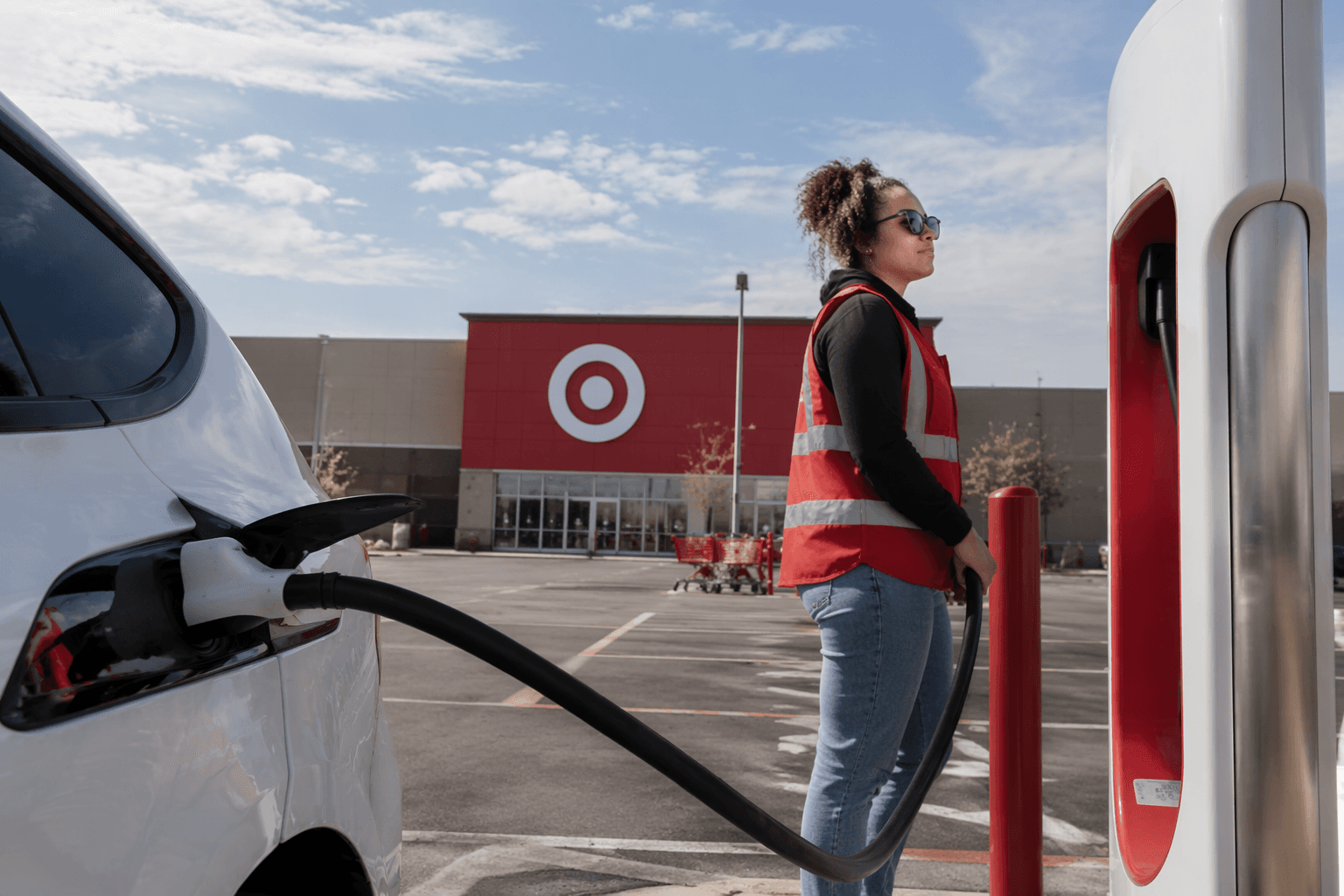
Target said it started offering fast charging in 2017 in San Mateo, California, and now uses local demand, market dynamics and utility availability to choose new sites. That makes the chargers part of store planning, not a side project. When the area around the stalls is clear, visible and signed well, it works as a convenience feature that keeps guests on site longer and gives stores another reason for a stop. When it is blocked, confusing or poorly monitored, it becomes another operational headache for store teams already balancing carts, curbside orders and lot safety.
The buildout also adds a maintenance and safety layer that is easy to underestimate from corporate distance. Chargers need to stay accessible, the surrounding pavement and signage need attention, and teams need to notice when equipment is out of order, obstructed or creating congestion near the entrance. For ETLs and team leads, the bigger work is not in plugging cars in; it is in managing how an EV customer changes dwell time, guest flow and the pace of the parking lot during busy hours.
This article was produced by Prism’s automated news system from verified source data, official records, and press releases, then run through automated quality and moderation checks before publishing. The system is built and supervised by the people who set the standards it runs under. Read our full AI policy.
Did this article answer your question?