Target faces higher import costs as U.S. prices rise 6.7 percent
Fuel-driven import costs kept climbing in May, putting more pressure on Target's pricing, replenishment and margin targets as back-end costs stay choppy.

Rising import prices are pushing the cost problem closer to the sales floor at Target. The U.S. Bureau of Labor Statistics said import prices climbed 1.9 percent in May after a revised 2.0 percent increase in April, leaving prices up 6.7 percent from a year earlier, the largest annual gain since October 2022. Fuel import prices jumped 12.5 percent in the month and 45.1 percent over 12 months, a backdrop that can ripple through freight, inventory timing and the price decisions stores live with every day.
For Target team members, that kind of pressure does not stay abstract for long. Higher import costs can tighten margin targets, force more careful assortment choices and keep attention fixed on receiving speed, substitution planning and whether a promised item makes it to the shelf on time. Even when guest traffic looks solid, the economics behind each truckload, vendor order and markdown can get harder to manage.

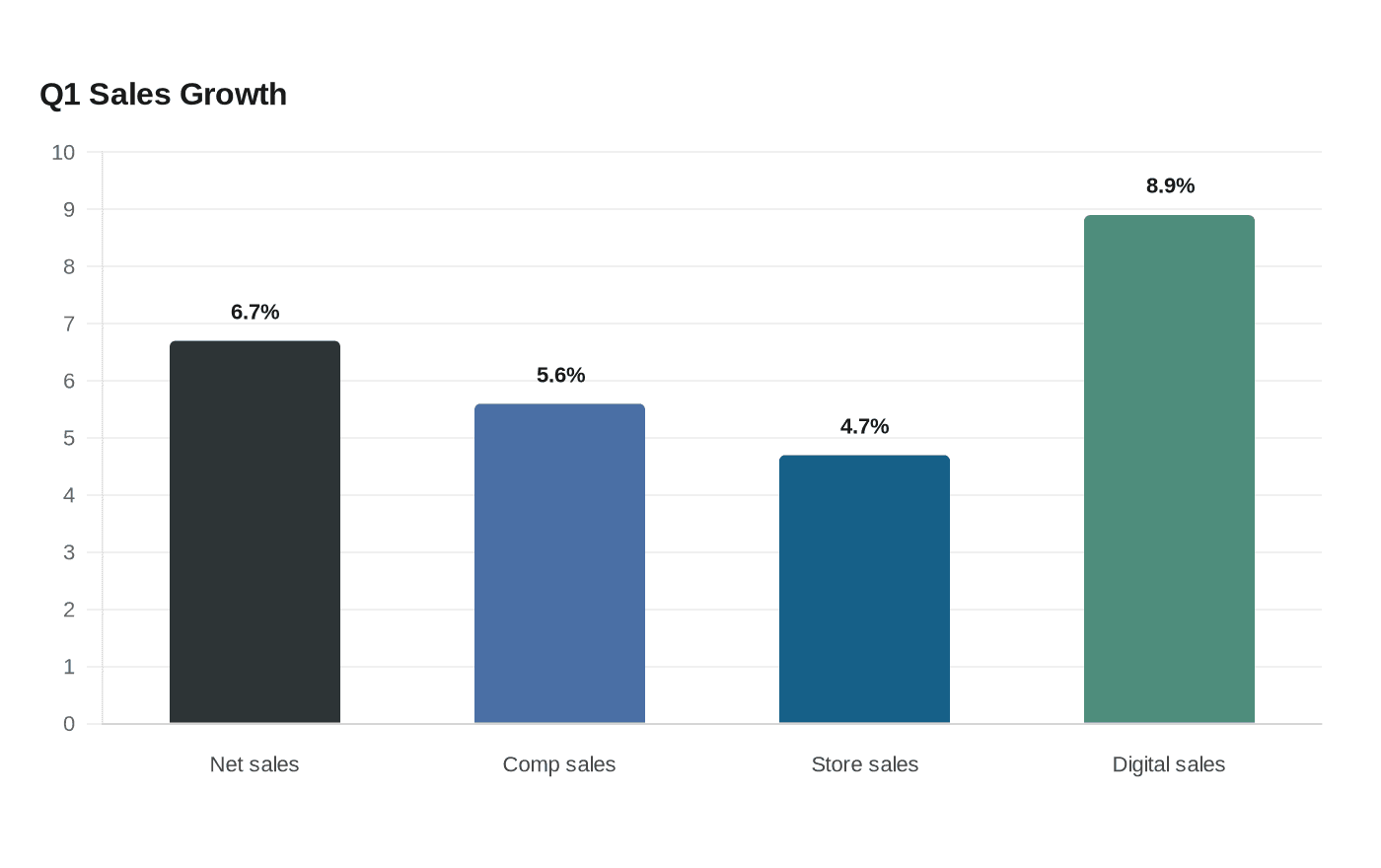
Target’s own first quarter showed why those costs matter. The company reported net sales of $25.4 billion, up 6.7 percent from a year earlier, with comparable sales up 5.6 percent, comparable store sales up 4.7 percent and comparable digital sales up 8.9 percent. Gross margin rate came in at 29.0 percent, helped by supply-chain productivity, advertising revenue and lower markdowns, but partially offset by higher product costs. Chief executive Michael Fiddelke said Target was staying “disciplined and flexible” in an uncertain operating environment.
Management has also been leaning on investment to blunt some of the pressure. In its March 3 strategic update, Target said it planned about $5 billion in capital investment for 2026, including more than $1 billion of additional spending on stores, technology and supply-chain projects. The company also raised its 2026 net sales growth outlook to around 4 percent and said full-year operating income margin should be more than 20 basis points above its 2025 adjusted rate.
The broader retail picture suggests Target is not dealing with this alone. The National Retail Federation said retailers were expected to bring merchandise in early because of higher tariff- or fuel-related costs that could begin in August, a move that could leave volumes weaker later in the summer and fall. The Richmond Fed also reported that 30 percent of CFOs cited tariffs or trade policy as their most pressing concern, and firms importing from abroad still expected significant effects on unit costs and prices in 2025 and 2026. For Target, that means the pressure is likely to keep showing up where workers feel it first: on the receiving dock, in replenishment timing and in the daily grind of keeping shelves stocked at a profitable price.
This article was produced by Prism’s automated news system from verified source data, official records, and press releases, then run through automated quality and moderation checks before publishing. The system is built and supervised by the people who set the standards it runs under. Read our full AI policy.
Did this article answer your question?