Target faces sourcing and pricing risk after U.S. tariff ruling
Tariff uncertainty kept pressure on Target’s orders, pricing, and replenishment, leaving store teams to manage more substitutions and shelf gaps.

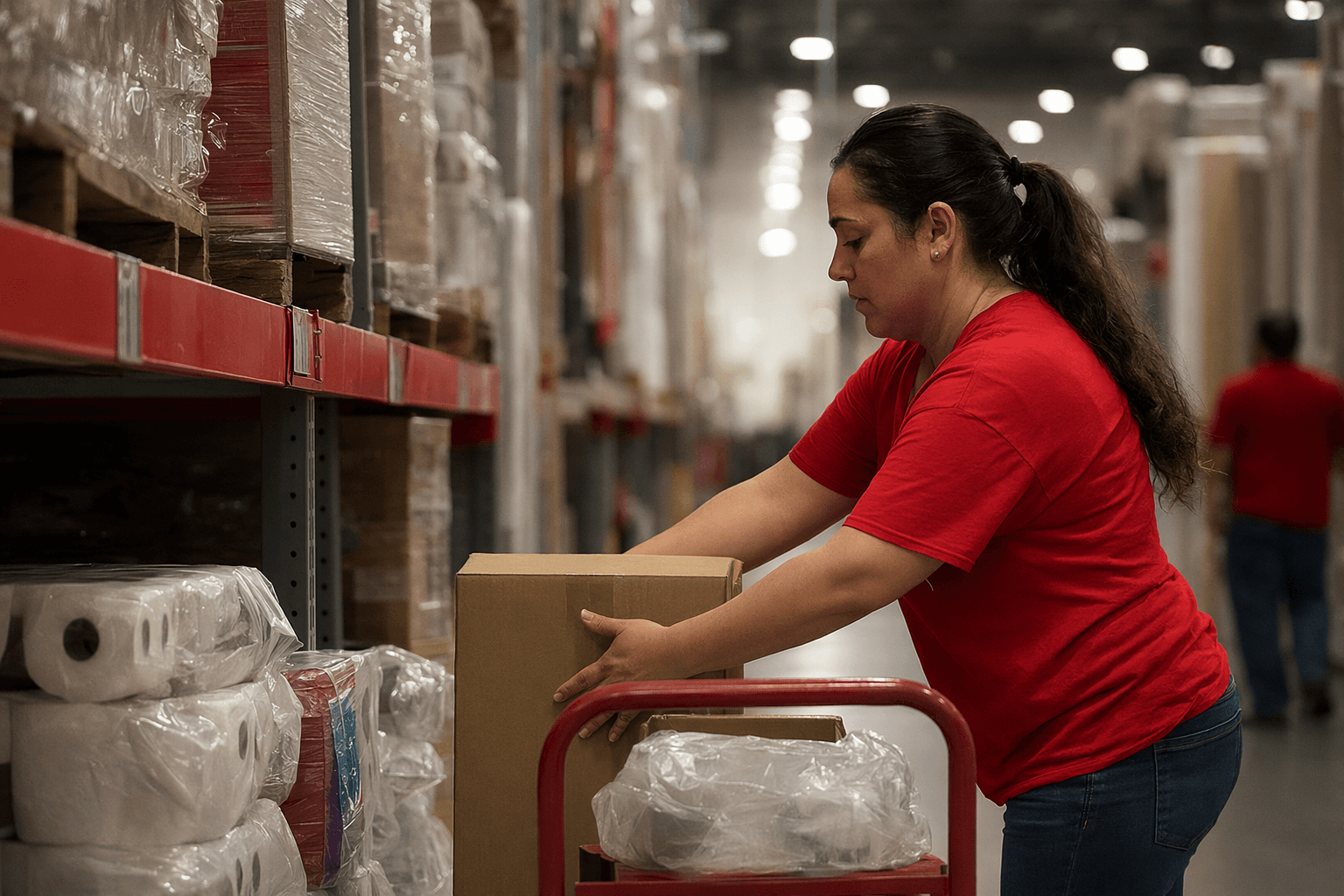
For Target store teams, the biggest risk from the tariff ruling was not the legal fight itself. It was the extra churn it added to pricing, freight, and replenishment, the kind that can show up as backroom congestion, last-minute substitutions, and more empty spots on shelves.
A divided three-judge panel of the U.S. Court of International Trade ruled on May 7 that President Donald Trump’s 10 percent temporary global duties were unlawful under Section 122 of the Trade Act of 1974. But the court did not shut the tariffs down for everyone. Relief went only to two private importer plaintiffs and Washington state, while the duties were expected to remain in place for other importers as the case moved toward the U.S. Court of Appeals for the Federal Circuit.
That narrow ruling mattered for a retailer like Target because it left the cost environment unsettled. Target had already warned in its fiscal 2025 annual report that additional tariffs, duties, or other trade-policy changes affecting goods sourced directly or through vendors could force actions including raising prices on imported merchandise. On May 21, 2025, chief executive Brian Cornell said price increases would be a “very last resort,” even as the company worked with vendors, reevaluated assortment, changed country of production where possible, and adjusted order timing and prices to blunt tariff exposure.
For employees, that kind of response tends to play out far from corporate offices. Merchants may have to rethink which products make the cut when costs jump. Supply chain teams can be pushed to change shipment timing, build different safety stock, or shift vendor mix. On the sales floor, those decisions can mean more frequent substitutions, tighter allocation in cost-sensitive categories, and more guest questions about why a familiar item is missing or priced differently.
Target had already felt that pressure in 2025, when it cut its annual outlook because of the expected tariff impact and broader uncertainty around consumer spending. By late May that year, Target’s stock had fallen nearly a third, while Walmart’s had risen 7%, a gap that reflected how much more exposed Target was to imported discretionary goods. An analyst at the time said it would be difficult for Target to absorb 30 percent tariffs on goods from China without passing some cost along.
That made the May 7 court ruling less of a reprieve than a reminder: even when tariffs are challenged, the uncertainty can linger long enough to affect opening orders, freight plans, and the daily work of stocking and selling for Target’s team members.
This article was produced by Prism’s automated news system from verified source data, official records, and press releases, then run through automated quality and moderation checks before publishing. The system is built and supervised by the people who set the standards it runs under. Read our full AI policy.
Did this article answer your question?