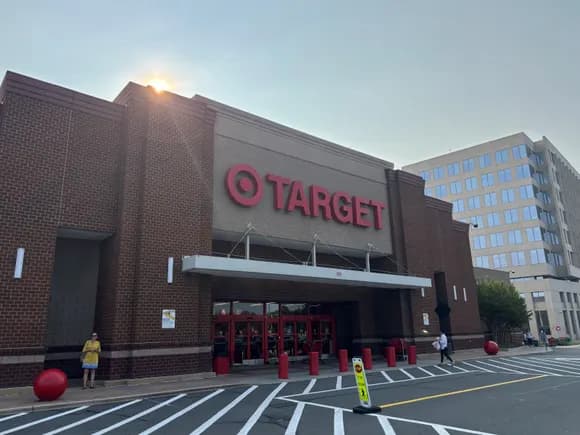
Target faces tougher consumer spending as gas prices climb
Gas and grocery pressure is pushing Target guests toward smaller baskets, sharper value-seeking, and fewer discretionary buys.

Higher gas prices are starting to change what lands in Target baskets, even if traffic itself has not fallen off. As the Iran war stretched into its fourth month, the pressure from fuel and other household costs pointed to a tougher U.S. retail stretch, with consumers still shopping but doing so more carefully.
That matters on the store floor because the shift usually shows up in the mix before it shows up in the month-end numbers. Recent retail results suggest shoppers are still coming in, but the cushion is thinner. Dollar General CFO Donny Lau said lower-income customers were already cutting back on expenses, including food, a sign that the squeeze is reaching into the most basic parts of the trip. For Target teams, that can mean more price checks, more questions about promos, and less patience for items that feel optional.
Target’s own first-quarter 2026 results showed how much volume is still flowing through the business. The company reported net sales of $25.4 billion on May 20, up 6.7% from a year earlier, with comparable sales up 5.6% and traffic up 4.4%. Adjusted earnings per share came in at $1.71, compared with $1.30 in the prior-year period, and sales rose across all six core merchandise categories. For stores, that is the important split: guests are still showing up, but the basket is vulnerable to pressure if budgets tighten further.
That is where execution gets more important. If households feel more pinched, shoppers are likelier to trade down, delay discretionary purchases, and gravitate toward essentials. In Target, that can affect endcaps, seasonal goods, apparel, home refreshes, and impulse categories first, while increasing the need for in-stock basics and clear value messaging. Store leaders may also need to be more deliberate with labor deployment, because steady traffic does not always mean steady basket size or the same kind of workload in every department.
The broader backdrop is still worsening. Deloitte’s May-June 2026 consumer survey showed gas and grocery price expectations at their highest levels in years, and CNBC reported on May 29 that the average U.S. household could be paying about $450 more a year for gas and electricity, with roughly half of that increase tied to gasoline. That is the kind of bill shock that can make a shopper cut one extra item from the cart, delay a home purchase, or wait for a stronger promotion. For Target, the next test may not be whether guests come back, but how differently they shop when they do.
This article was produced by Prism’s automated news system from verified source data, official records, and press releases, then run through automated quality and moderation checks before publishing. The system is built and supervised by the people who set the standards it runs under. Read our full AI policy.
Did this article answer your question?