Target fixes Drive Up delays, saves 350,000 labor hours annually
Target’s Drive Up fix is set to save more than 350,000 labor hours a year. The change targets one of store teams’ most frustrating handoff points: delayed curbside orders.

Target said a tech change to its Drive Up system will save more than 350,000 labor hours a year, a fix aimed at cutting one of the most familiar pain points for store teams: late curbside handoffs, repeated guest alerts and the bottlenecks that build at the front end of a shift.
The company built the service in 2017 as a small pilot with three engineers, a designer and a product manager. It started with about 65 orders a day in a handful of Twin Cities stores before expanding to 52 stores in that market. Target later changed the platform’s eventing architecture after spotting a recurring pattern in which guests placed multiple orders and then had to alert stores separately when they arrived, a setup that created avoidable friction for workers trying to move orders out fast.

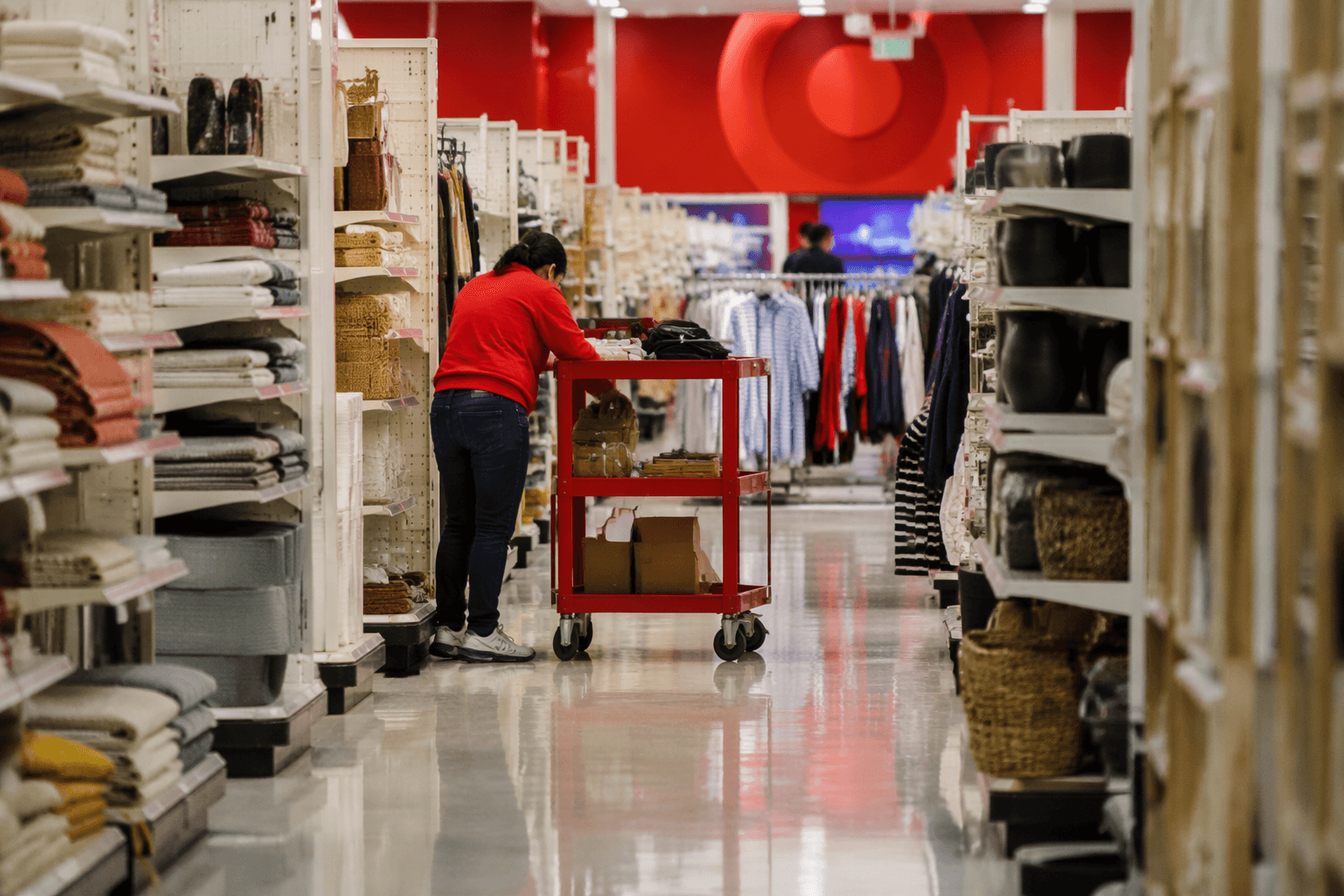
For team members handling Drive Up, the payoff is less about a technical upgrade than about the shape of the shift itself. Fewer missed handoffs can mean fewer stops and starts, less time spent sorting out duplicate arrivals and a cleaner flow between the back room, the lot and the guest-facing handoff point. Target has said Drive Up is available at nearly every store nationwide and that orders are brought to parked guests within minutes, with Starbucks drinks or treats also available in the same order, making the service one of the company’s most visible and time-sensitive labor demands.
The fix also lands inside a larger fulfillment strategy that leans heavily on stores. Target said its stores handle the majority of digitally originated sales because that model improves product availability, speeds fulfillment and reduces shipping costs. In fiscal 2024, more than 65% of digital sales were fulfilled through same-day options, which grew 7.7% from 2023. Drive Up and Same Day Delivery both posted double-digit growth, showing how much more work has moved onto store crews even as the company tries to streamline the process.
That tension matters for employees because Target is pushing efficiency on two fronts at once: better in-store execution and sharper pricing. The company said it lowered prices on more than 10,000 items in 2024 while competing with Walmart, Amazon and Shipt in same-day retail. For Target workers, the Drive Up overhaul is another test of whether technology actually eases the load on a crowded shift, or just makes a busier operation move faster.
This article was produced by Prism’s automated news system from verified source data, official records, and press releases, then run through automated quality and moderation checks before publishing. The system is built and supervised by the people who set the standards it runs under. Read our full AI policy.
Did this article answer your question?