Target front-of-store jobs show how guest service drives store flow
Front-of-store attendants keep carts, checkout and guest flow moving, and Target is tying that work to a bigger guest-experience push.
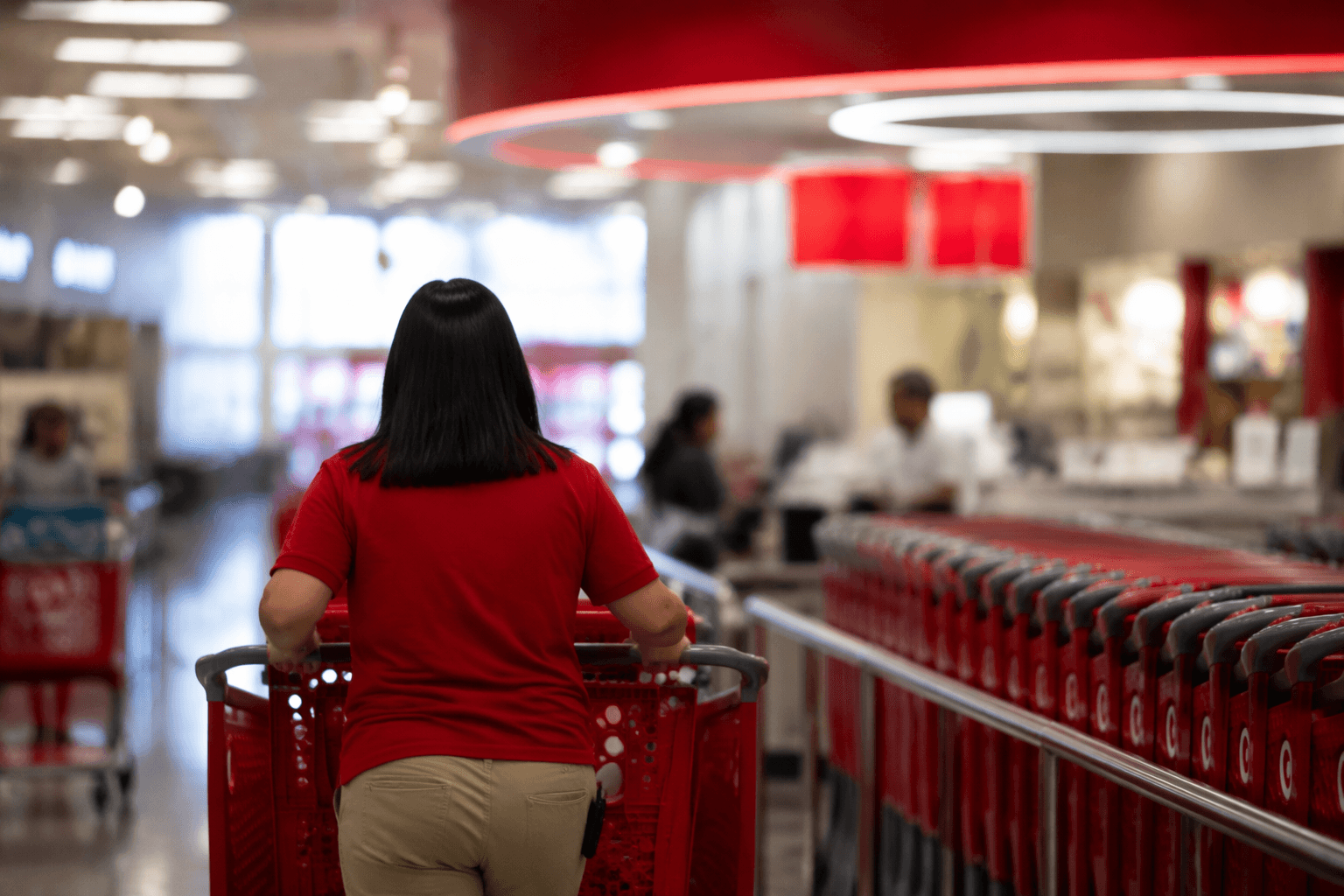
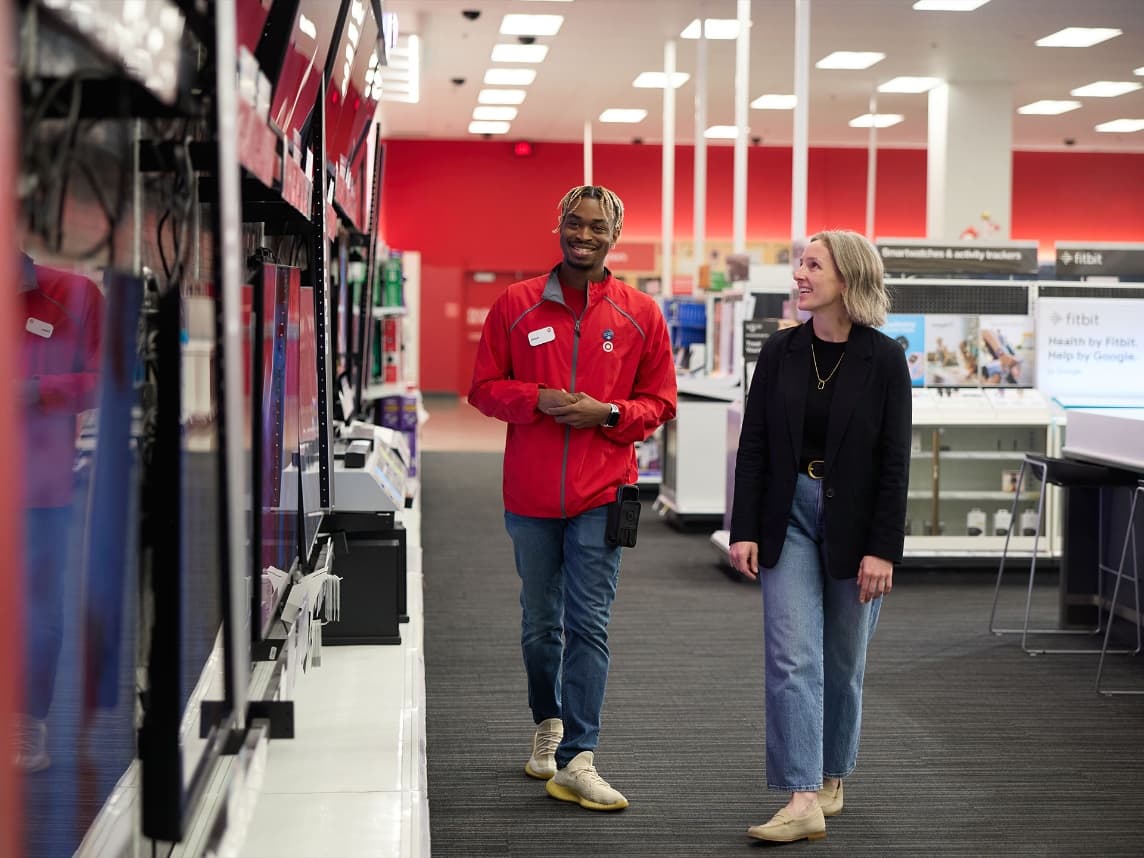
Target places Front of Store Attendant inside its Store Hourly job areas and its Service & Engagement group, which it describes as “Advocates of guest experience who welcome, thank, and exceed.” That framing tells you a lot about the job before you ever clock in: the work is not just about standing near the entrance, it is about shaping how the store feels the moment a guest walks in and how smoothly the visit moves after that.
Where the role sits in Target’s store model
Target’s front-of-store and Guest Advocate postings make the connection plain by bundling cashier work with front-of-store and cart-attendant responsibilities. In other words, the role sits at the intersection of entrance readiness, checkout, and guest help, not in a single lane with one narrow task. That is why the position often matters most when the store is busiest, because it is one of the first places where a guest notices whether the building feels organized or strained.
The practical job is to keep the front end working as a system. If carts are not available, guests feel friction before they even begin shopping. If the entrance gets cluttered or the flow breaks down, the impression of the whole store changes fast, and every team member downstream has to deal with the fallout. Front-of-store work is basic only if you ignore the way it controls pace, first impressions, and the amount of cleanup the rest of the building has to absorb.
Why Target treats the front end as guest service, not just labor
The “Service & Engagement” label is not just brand language. It tells team members that Target sees these jobs as part of the guest journey, which means a Front of Store Attendant is expected to do more than move carts or stand by a register. The job asks for awareness, quick response, and the ability to keep the area looking ready even when traffic spikes.
That is also why the role often becomes a useful entry point for people who want to move into guest services, cash handling, team lead roles, or other hourly positions. Team members who do well here usually develop a strong read on the store floor, clear communication, and the ability to stay calm when the pace changes. Those are practical retail skills, but they also map closely to how Target runs its stores, where the guest experience is built from many small decisions at the front end.
Checkout policy changes have raised the stakes
Target’s own checkout changes help explain why this work matters so much now. In March 2024, the company announced Express Self-Checkout and said the lanes would be limited to guests with 10 items or fewer in most of its roughly 2,000 U.S. stores. The goal was to speed up service and improve the checkout experience, which means the front end is no longer just a place where guests line up and wait. It is a managed flow problem, and the attendants and advocates stationed nearby are part of the solution.
Target later described the Express Self-Checkout rollout as a success, and a Retail Dive result said the company was using that language about a year after launch. CX Dive then reported in August 2024 that Target’s self-checkout and generative AI efforts were contributing to increased traffic, with executives saying self-service experiments were speeding up purchases while a chatbot helped associates assist customers. Taken together, those changes show that Target is trying to make the front end faster while still keeping service visible, which puts more pressure on the people working closest to the entrance and checkout area.
The business case shows up in the numbers
The company’s scale makes that pressure easier to understand. Target reported merchandise sales of $104,820 million in its 2024 Annual Report, then $102,717 million in its 2025 Annual Report. Those figures do not tell you everything about store traffic, but they do show the size of the operation that depends on a front end that can keep guests moving, handle surges, and preserve a clean first impression.
Target also keeps investing in the guest experience as a corporate priority. In March 2026, CX Dive reported that Target planned a $1 billion investment in guest experience for 2026, and CEO Michael Fiddelke said the effort was about “building connections with new guests, deepening relationships with existing guests and earning back trust.” For front-of-store teams, that is not abstract strategy. It is a sign that the work at the entrance and checkout is part of the company’s effort to improve how people feel inside the store at the very point where service becomes visible.
What strong performance looks like at the front end
A strong Front of Store Attendant is not just busy. The best people in the role can shift quickly between greeting guests, keeping the entrance organized, helping with carts, and supporting the guest service area without letting the front end look chaotic. That flexibility matters because traffic does not arrive in a neat pattern, and the work often changes minute by minute based on lines, weather, deliveries, and how many guests are coming through the door at once.
For team members, the job rewards steadiness more than speed alone. The goal is to keep the entrance ready, the carts available, and the service point responsive so guests do not run into avoidable friction. That is also where communication matters: when the front end is working well, nearby team members know what is happening, leaders have a clearer picture of coverage, and guests spend less time waiting to get started.
Why leaders watch this zone so closely
For team leads and executive team leaders, the front end is one of the clearest signals of store health. A smooth front-of-store operation can make a crowded day feel manageable, while a strained one makes every other issue more visible. That is why staffing, breaks, coverage, and expectations matter so much here, even if the job can look simple from the sales floor.
Target’s careers pages give applicants a useful preview of that reality. The company is signaling that it values service, pace, and teamwork as much as task completion, and it is linking those qualities directly to the store’s highest-traffic area. In a business that is still balancing checkout speed, guest perception, and store flow, the front-of-store role remains one of the clearest examples of how retail labor shapes the experience before a guest ever reaches the end of the aisle.
This article was produced by Prism’s automated news system from verified source data, official records, and press releases, then run through automated quality and moderation checks before publishing. The system is built and supervised by the people who set the standards it runs under. Read our full AI policy.
Did this article answer your question?