Target gets a steadier labor market as staffing decline eases
Staffing declines are easing just as Target starts its holiday hiring clock, but fulfillment, front end and logistics roles may still be the hardest to lock down.

Temporary staffing is still shrinking, but the drop is losing speed, and that matters for Target managers trying to hire ahead of the holiday rush. The American Staffing Association said temporary and contract staffing employment fell 7.5%, or 154,000 jobs, from the fourth quarter of 2025 to the first quarter of 2026, the slowest first-quarter decline since 2022.
For Target, that suggests the labor market may be a little less punishing than it was earlier this year, but not loose enough to make seasonal hiring easy. The association said the year-over-year decline in total staffing employment narrowed to 4.6% from 10.8% in the first quarter of 2025, and staffing sales also improved relative to last year even as they slipped 4.3% sequentially. The group’s dashboard put average staffing employment in the first quarter at 1.89 million workers a week, while its Staffing Index showed jobs 5.3% higher year over year in the four weeks ending June 14.
The broader labor market still looked steady in May. The U.S. Bureau of Labor Statistics said nonfarm payrolls rose by 172,000 and unemployment held at 4.3%, while temporary help services employment remained 0.9% below the same month a year earlier. That mix leaves Target with a familiar retail problem: hourly labor is available, but so are competing shifts, and candidates are weighing pay, scheduling flexibility, commute time and benefits.
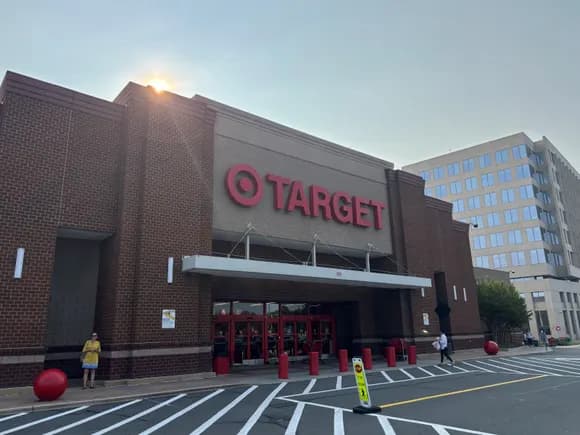
Target has more than 2,000 stores, more than 60 supply chain facilities and a workforce of more than 400,000 team members, which makes its peak hiring playbook a critical part of store and warehouse operations. Seasonal jobs span guest services, fulfillment, food and beverage, style, beauty, tech, general merchandise, Starbucks, early morning inbound and overnight inbound work. The company says seasonal team members get day-one benefits and starting wages of $15 to $24 an hour depending on role and location, plus added pay for early morning and overnight hours.
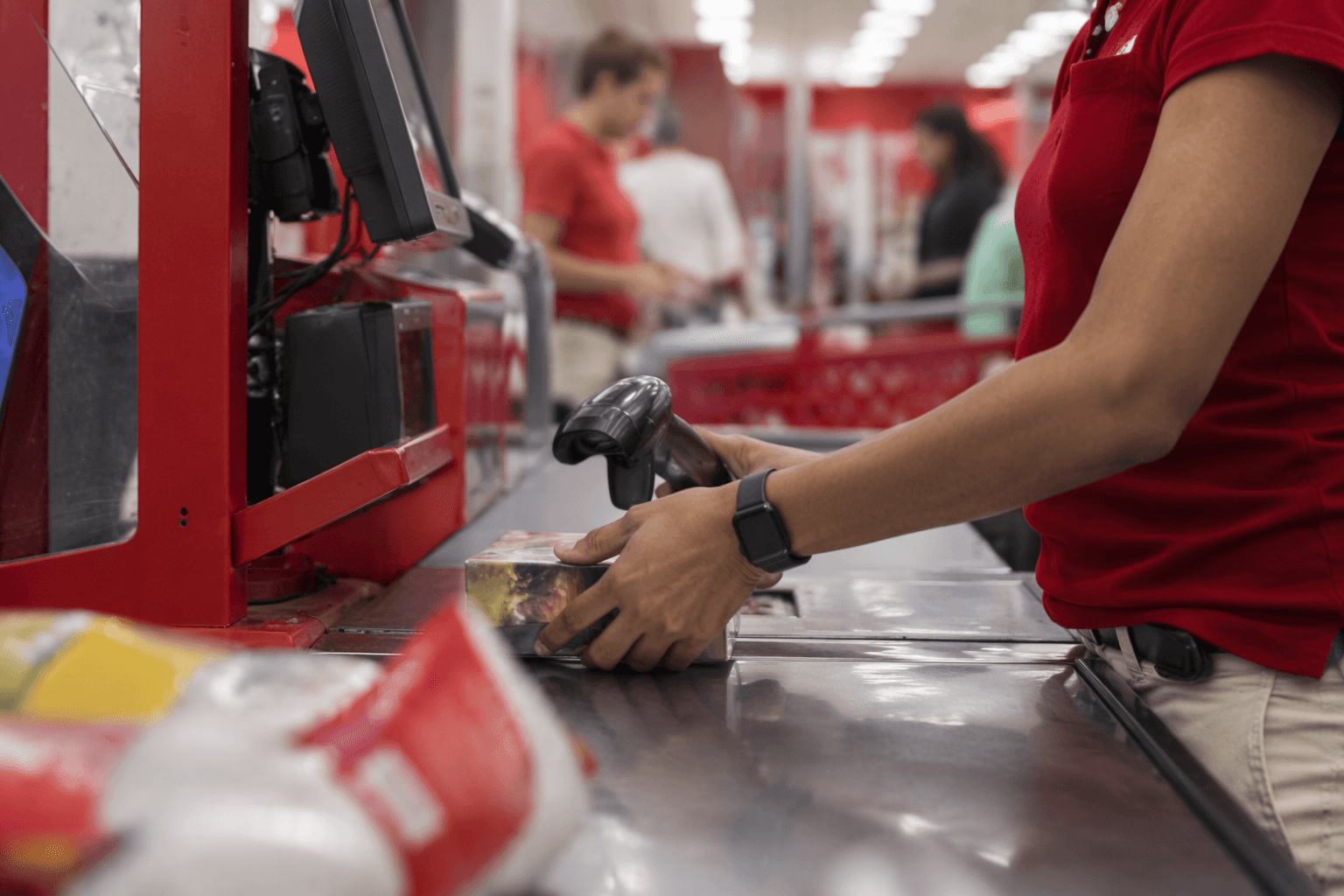
That mix is why softer staffing declines do not remove the pressure on leaders in stores and supply chain sites. If the market does stabilize, Target may have a slightly better shot at filling open shifts, but front-end coverage, fulfillment and logistics can still be difficult to staff when back-to-school, late-summer transitions and holiday ramp-up hit at once.
Target’s own retention data shows why the seasonal push is more than a short-term fix. The company said more than half of seasonal store team members were offered the chance to stay on after the holidays last year, and nearly 20% of field leaders started in seasonal roles. Its flexible On-Demand store workforce now includes about 43,000 team members, giving managers another cushion when schedules change fast.
The hiring market may also be getting tighter earlier in the season. Indeed Hiring Lab said seasonal job searches were up 27% year over year at the end of September 2025 and 50% above 2023, while seasonal postings rose just 2.7%. For Target, that means the best holiday plans will still depend on moving early, locking in pipelines and treating seasonal hiring as a pipeline for longer-term roles, not just a December patch.
This article was produced by Prism’s automated news system from verified source data, official records, and press releases, then run through automated quality and moderation checks before publishing. The system is built and supervised by the people who set the standards it runs under. Read our full AI policy.
Did this article answer your question?