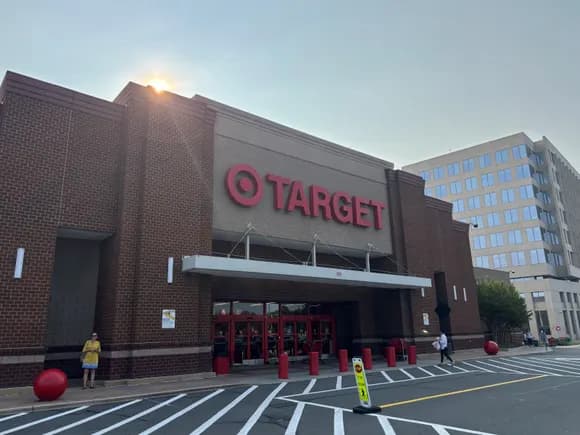
Target leaders rally around $2 billion turnaround plan
Target’s reset is about more than a new org chart. More payroll, remodels and AI tools could change how stores are staffed, stocked and held accountable.

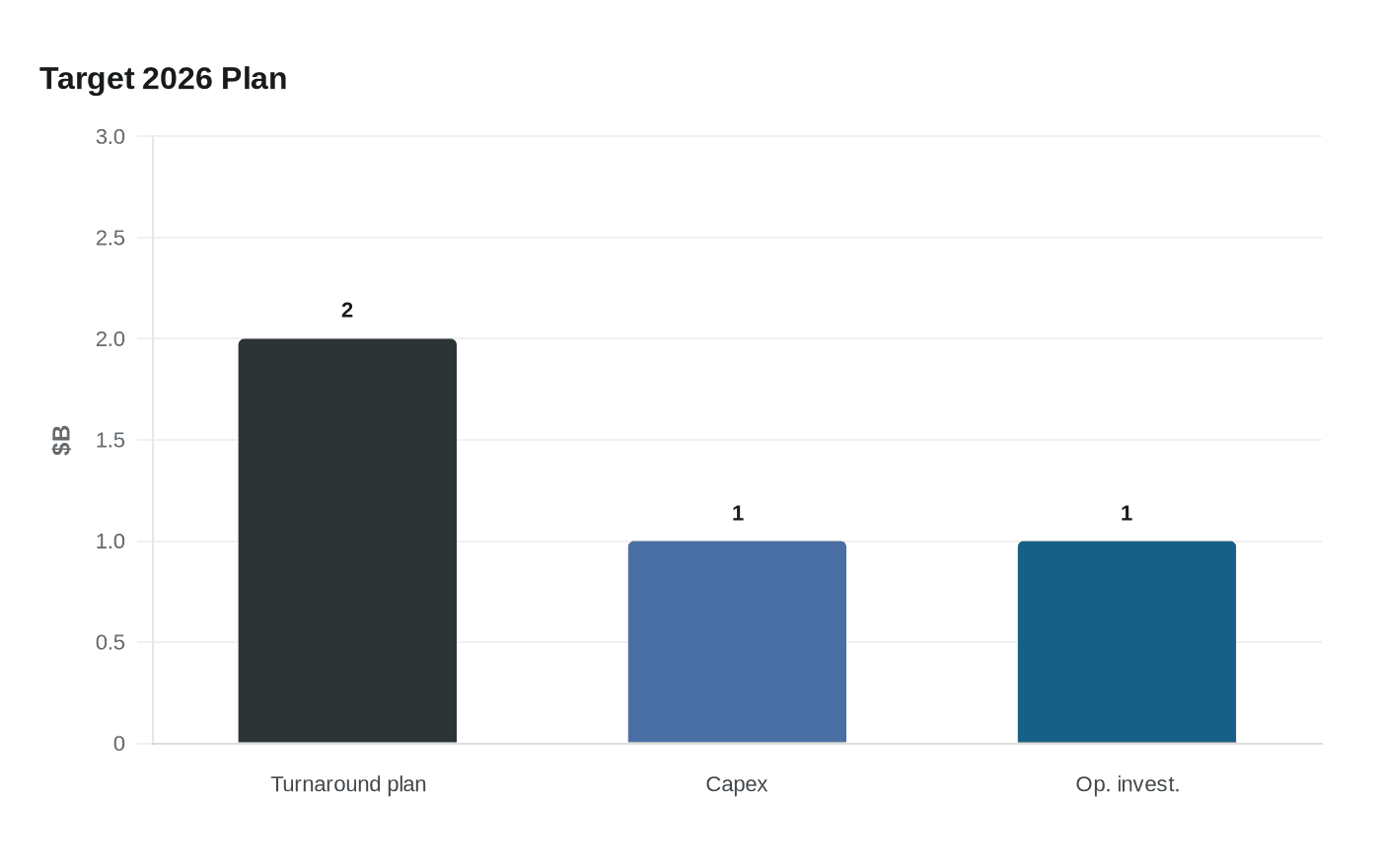
Target’s $2 billion turnaround plan is starting to look less like a slogan and more like a work order for stores and distribution centers. The company said its 2026 strategy includes more than $1 billion in extra capital spending and $1 billion in operating investment, money slated for remodels, payroll, training, supply chain and technology.
For team members and ETLs, the practical question is how that money reaches the floor. Target said it would make more changes in stores in 2026 than in any year in the last decade, open 30 new stores and remodel 130 existing locations, many of them not refreshed in years. That should mean new floor plans, updated displays and heavier emphasis on categories Target thinks can pull traffic and baskets, especially food, beauty and same-day fulfillment.
The leadership reset was designed to speed that shift. Target named Cara Sylvester chief merchandising officer and Lisa Roath chief operating officer, while Rick Gomez was set to leave and Jill Sando was set to retire after 29 years. Michael Fiddelke, now the face of the turnaround, has tied the new structure to merchandising authority, guest experience, technology, and strengthening teams and communities. In plain terms, the company wants faster decisions on what gets space, what gets cut and how quickly stores are expected to execute.
That matters because Target’s latest numbers show how much is riding on store-level execution. On May 20, Target reported first-quarter net sales of $25.4 billion, up 6.7% year over year, with comparable sales up 5.6% and digital comparable sales up 8.9%. Same-day delivery through Target Circle 360 grew more than 27%. After projecting 2% net sales growth for 2026 at its March investor meeting, Target raised its full-year outlook to around 4%. Investors saw enough traction to feel more optimistic, but the company still has to prove the reset lasts beyond one strong quarter.
The bigger operational change is how much Target is treating stores, inventory and digital fulfillment as one connected machine. Its 2025 annual report said the chain had nearly 2,000 stores, opened 18 new ones last year, and fulfilled two-thirds of digital sales through same-day options. It also said shrink had returned to pre-pandemic levels and that AI tools were being used more broadly across merchandising, planning, inventory management and personalization. That points to more algorithm-driven decisions coming downstream, with store teams and DC crews expected to absorb the output through tighter inventory discipline, faster replenishment and fewer excuses when product, payroll or presentation miss the mark.
The promise is simpler than the execution. If Target’s extra investment reaches labor schedules, training and store systems, workers could see clearer priorities and fewer last-minute scrambles. If it does not, the turnaround will still be measured at the store level, one shift and one shipment at a time.
This article was produced by Prism’s automated news system from verified source data, official records, and press releases, then run through automated quality and moderation checks before publishing. The system is built and supervised by the people who set the standards it runs under. Read our full AI policy.
Did this article answer your question?