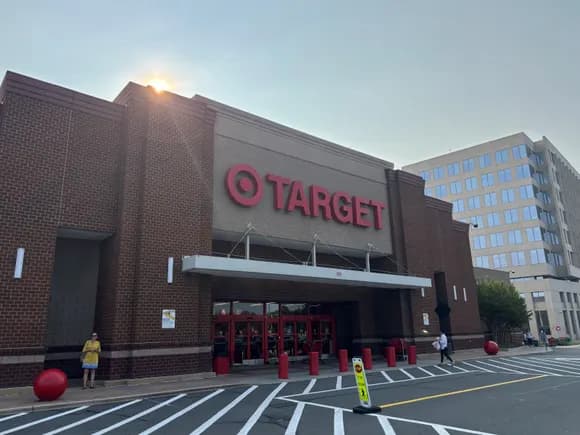
Target leadership roles emphasize planning, risk management and team coaching
ETL means more than a title change: Target’s store leaders own sales, safety, coaching and daily priorities across the whole building.

Target’s leadership track is built for people who can keep a store moving while the floor keeps changing around them. The job is not just about having more authority; it is about taking responsibility for the whole operation, from guest experience and team performance to risk management and the small decisions that determine whether a busy shift stays on track.
What changes when you step into store leadership
Target says store leadership roles oversee all operations of the store, driving sales, ensuring a positive guest experience, managing team member performance and fostering Target’s culture while meeting company goals. That is a much wider mandate than the work most team members handle in a single department, and it is why the ETL path is such a different kind of promotion.
In practice, the role sits between strategy and execution. Executive Team Leaders are expected to lead and mentor team leaders and support team members from the backroom to the front doors, which means they are not just managing one workcenter or one shift. They are responsible for keeping multiple business areas aligned, watching what needs attention now, and making sure the store does not lose pace when priorities change.
The real day-to-day: planning, coaching and risk management
The most important skill in a leadership role is consistency. Target’s own materials make that clear by emphasizing planning, problem-solving and risk mitigation, which tells current team members that the job is as much about judgment as it is about drive. A strong ETL does not simply react to problems. They anticipate them, assign the right people, and keep the store moving without letting standards slip.
That is where coaching becomes part of the job, not an extra. If you move into an ETL path, you are expected to coach teammates without slowing the business down, maintain safe behaviors, and keep the team focused on what matters most on that day. The company’s framing suggests that leadership is judged by whether the store stays organized, the team stays aligned and guests still get a smooth experience even when the day turns unpredictable.
How broad the span really is
Target’s scale explains why these roles carry so much operational weight. The company says it operates more than 2,000 stores in the U.S., along with more than 60 supply chain facilities and more than 400,000 full-time, part-time and seasonal team members. At that size, store leadership is not a ceremonial layer. It is the pressure point where corporate goals have to translate into staffing, sales, safety and guest service in real time.
That breadth also changes what leadership means inside the building. ETLs are not only handling the business area they came from. They are expected to understand how different functions affect one another, from backroom execution to the front doors, and to make choices that support total store profitability. In other words, the scope widens fast: the better you understand the whole store, the more effective you become in the role.
Why the assets protection and property pieces matter
Target’s leadership pages show that store leadership is not limited to sales and service. The company includes areas such as Human Resources, Assets Protection and Property Management, which is a reminder that leadership at Target is tied to keeping the building safe, staffed and functioning. For team members considering promotion, that means the job gets more technical and more accountable the higher you go.

The Assets Protection path is especially clear on this point. Target says ETL-Assets Protection leaders manage a safe and secure culture, respond to crisis events and drive physical security and safety processes. That turns the role into a front-line risk job as much as a people role. Property Management adds another layer: Target says those leadership teams are informed about workload priorities and the impact of store processes on asset care, maintenance and functionality, so leaders have to think about how the building itself affects performance.
What the leadership pipeline tells you about advancement
Target is also signaling that store leadership is part of a formal development pipeline, not just a title handed out to the longest-serving employee. The company says it offers on-the-job development, mentorship and leadership and management programs, and it says its internships and multi-year, full-time professional development programs are designed to develop future retail leaders. That matters because it shows the company wants leaders who can grow with the business, not just fill a shift.
The Store Director Development Program, launched in September 2025, sharpens that message. Target said it was built by store directors for store directors, with the goal of preparing leaders for a dynamic retail environment. For team leads and aspiring ETLs, that signals a clear internal ladder: if you can run parts of the business well, you are being measured against a broader leadership track that reaches well beyond your current department.
What the pay range says about the role
Compensation helps frame how Target values the ETL tier. Current job listings show Executive Team Leader roles at $64,000 to $128,000, which places the job squarely in salaried management territory. By comparison, a Specialty Sales Team Leader listing shows $24.50 to $26.50 per hour and a Seasonal HR Specialist listing shows $20.82 to $37.45 per hour, making the ETL step a clear jump in both pay structure and responsibility.
The benefits package matters too. Target says it offers market-leading pay and benefits, including medical, vision and dental coverage for eligible team members, plus a 401(k) match dollar-for-dollar up to 5% of pay with immediate vesting. For employees weighing whether the leadership track is worth it, that combination of salary, benefits and retirement support is part of the tradeoff, especially when the job also brings more pressure, longer visibility and broader accountability.
The leadership culture behind the title
Target’s current chief stores officer, Adrienne Costanzo, is a useful example of how the company likes to frame store leadership as a path upward. She oversees more than 350,000 team members and the company’s more than 2,000 stores, and she joined Target in 2004 as a frontline store leader. That kind of background makes the advancement story tangible for current team members: the store floor is not just where careers begin, it is where the company says major leadership careers can start.
Target’s 2026 leadership changes, aimed at accelerating growth under CEO Michael Fiddelke, reinforce that leadership development remains a live business priority. For employees evaluating an ETL path, the message is straightforward: this is a role for people who can think across the whole store, coach through change and manage risk without losing the guest-first rhythm of the building. If you want a promotion that gives you wider influence, the ETL track does that. It also asks for a steadier hand, a broader view and a much higher tolerance for complexity.
This article was produced by Prism’s automated news system from verified source data, official records, and press releases, then run through automated quality and moderation checks before publishing. The system is built and supervised by the people who set the standards it runs under. Read our full AI policy.
Did this article answer your question?