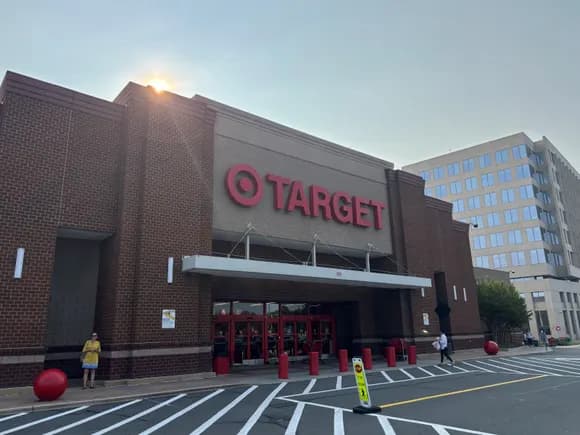
Target leans on current staff, on-demand pool before seasonal hiring
Target gives extra hours to current staff first, then draws on an on-demand pool of about 43,000 before adding seasonal workers.

Target is trying to solve peak season the way many stores wish they could, by squeezing more capacity out of the people already on payroll before it turns to fresh seasonal hires. The company says it first offers extra hours to current team members, then uses an on-demand pool of about 43,000 store team members, and only then adds seasonal workers across nearly 2,000 stores and more than 60 supply chain facilities.
That sequencing matters because the busiest stretches hit stores from every direction at once, with guest traffic, drive-up orders, pickup volume and freight all climbing together. A staffing model built around existing employees gives Target a way to protect schedule stability when pressure rises, instead of immediately layering in a wave of newcomers who still need training, coaching and checkout practice. For team leads and executive team leaders, it also signals that peak planning is not just about head count. It is about making sure the people who already know the store can stay in the mix long enough to keep service levels from slipping.

The pay and benefits package is part of the pitch. Target says seasonal and regular team members can start at $15 to $24 an hour, depending on role and location. They also receive day-one benefits that include early pay access, a team member discount, and access to 24/7 virtual healthcare and mental health support. For hourly workers weighing a holiday job, that combination makes the role look less like a disposable short-term slot and more like a fast entry point into a larger system.
The retention numbers reinforce that point. Target says more than half of seasonal store team members were offered the chance to stay on after the holidays in the prior year. It also says nearly 20 percent of field leaders started in seasonal roles. That kind of pipeline changes what onboarding means on the floor. If a seasonal hire can become a long-term employee, then register training, zoning, guest service standards and cross-training are not throwaway tasks. They become the first step in building the next wave of store leaders.
For current employees, the model suggests that peak season is likely to bring more opportunity before it brings more outside competition for hours. For leaders, it turns seasonal planning into a talent strategy as much as a labor strategy. In a retail operation where timing, consistency and familiarity matter, Target is betting that the best seasonal workforce is the one built around the people who already know how the store runs.
This article was produced by Prism’s automated news system from verified source data, official records, and press releases, then run through automated quality and moderation checks before publishing. The system is built and supervised by the people who set the standards it runs under. Read our full AI policy.
Did this article answer your question?