Target links daily conduct with supply-chain ethics standards
Target's ethics rules now reach from the sales floor to factory audits, tying daily decisions to human-rights, safety, and quality standards across the company.
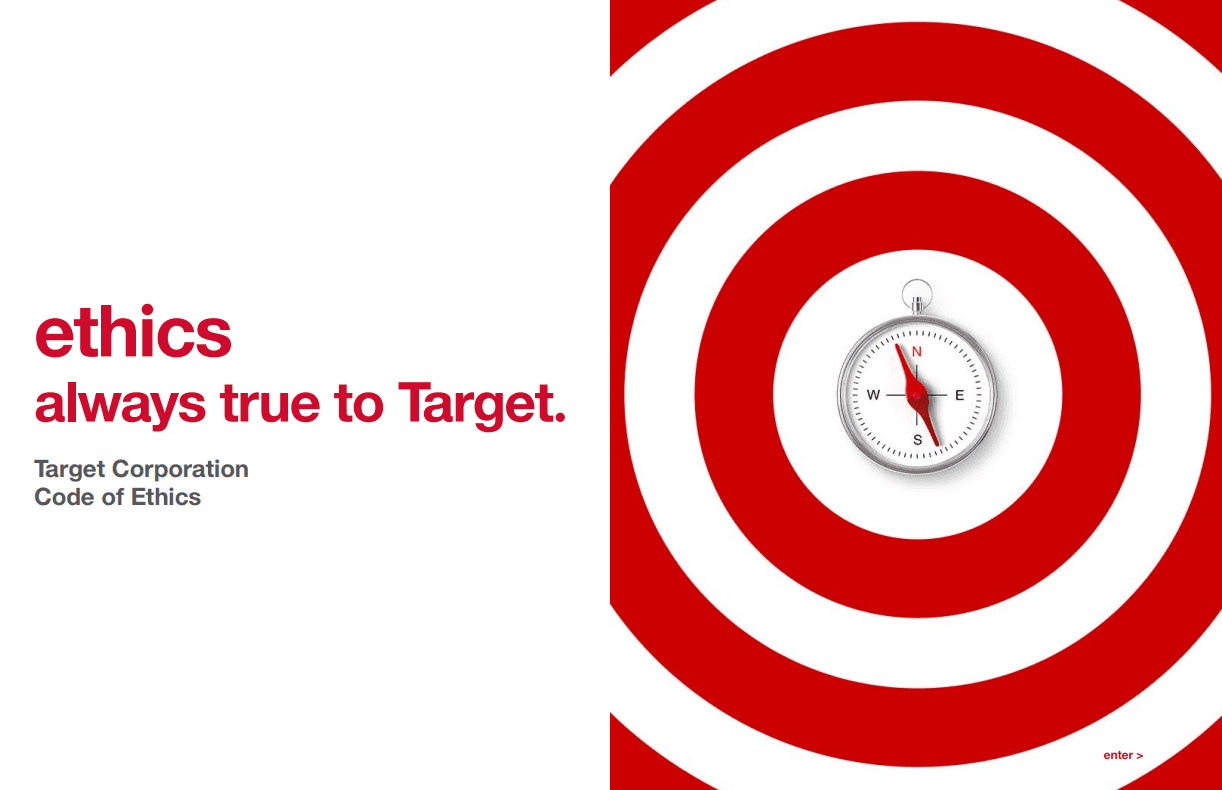
Target is making a simple point with far-reaching consequences: the way you clock in, escalate a concern, approve a hire, or sign off on a shipment is part of the same accountability chain. The company’s Code of Ethics, labor and human-rights policies, audit program, and food-safety controls are designed to connect everyday conduct to the standards Target says it expects across stores, supply chain locations, headquarters, and global offices.
The Code is not just for compliance teams
Target says team members in stores, supply chain locations, headquarters, global offices, and other Target locations are responsible for understanding and following the Code, company policies and procedures, and the laws that apply to Target. That matters because the code is written to cover routine job decisions, not just rare misconduct cases.
The practical expectations reach into the daily work of team members and managers: reporting concerns, showing respect at work, promoting health and safety, recording time honestly, providing safe food and products, avoiding conflicts of interest, preventing bribery, and respecting human rights. In other words, the policy does not sit off to the side of the business. It applies to the basics of how work gets done.
Target says its ethics and compliance training is tailored by role and location and is routinely refreshed. For members of management, that includes anti-bribery training. The company also says team members are informed about the Code and reporting channels through new-hire and annual ethics training, as well as the employee handbook, which makes the reporting system part of onboarding instead of an afterthought.
There is also some historical context here. Target says its reporting archive traces its corporate-responsibility reporting back to its first Community Involvement Report in 1969. That long paper trail gives the current ethics framework a broader meaning: this is not a one-off statement of values, but part of a public reporting habit the company has maintained for decades.
How Target pushes human-rights standards into the supply chain
The labor and human-rights policy page adds a layer that is especially important for anyone who works with vendors, procurement, sourcing, or overseas production. Target says its policies address hiring practices, forced labor, underage labor, migrant labor, discipline, discrimination, and other workplace issues. The company also says it expects formal hiring processes, no exceptions on hiring before human resources approval, verification of age documentation, vetting of labor brokers, the Employer Pays Principle, and corrective action when credible indicators of forced labor appear.
That is where the accountability chain becomes concrete. A store worker may never see a labor broker or a vendor hiring file, but the company is signaling that these decisions are part of the same ethics system. A manager who thinks human-rights policy is only about public messaging is missing the operational side: Target says it conducts human-rights due diligence to avoid adverse impacts, provide access to effective remedy, and work with vendors to promote human rights.
Target says its human-rights approach is aligned with the Universal Declaration of Human Rights, the UN Guiding Principles on Business and Human Rights, and the International Labour Organization Core Conventions. It also says it recently partnered with an external expert business and human rights consultant to conduct a human rights impact assessment for its operations, supply chain, and business relationships. That assessment identified salient human-rights issues relevant to Target, its team members, guests, supply-chain workers, and the communities it serves.
The message for employees is straightforward: labor ethics are not abstract. They are part of how Target says it manages risk, and they shape the company’s expectations for vendors, sourcing teams, and the people who oversee supplier relationships.
What the audit program means for vendors and the people who manage them
Target’s Responsible Sourcing & Sustainability Audit Program is described as risk-based, which means the company does not treat every facility the same way. It says the program assesses manufacturing location conditions, worker treatment and compensation, hiring processes, environmental practices, applicable laws, and Target’s Standards of Vendor Engagement, or SOVE.
For supply-chain teams, that means compliance is not just a paperwork check. It is tied to conditions in the facility, how workers are treated, how they are paid, and whether the site follows the rules Target has set for vendors. For managers and leaders, the practical takeaway is that vendor oversight is part of performance, not separate from it.
Target also says its Supplier Engagement Program uses Better Work Academy tools and helps suppliers establish grievance mechanisms and monitor performance. That matters because an ethics policy only goes so far if workers at a supplier site do not have a workable way to raise concerns. The grievance piece is especially important: it shows that Target is not only auditing suppliers, but also trying to push them toward systems that can catch problems earlier.
Food safety shows how ethics reaches the guest-facing side of the business
Target’s food-safety work makes the company’s standards easier to see on the job. The FSQR team oversees food safety, quality, and regulatory compliance across owned-brand partner manufacturing facilities, produce farm fields, food distribution centers, retail stores, product labeling, and food recalls. That means the same standards stretch from the farm or factory to the shelf in a Target store.
The company says its product safety and quality assurance teams audit factories before production starts, meet with vendors and manufacturers, and require third-party laboratory testing during production. For store teams, that is not just a back-office process. It is the reason labels, recalls, and quality checks matter on the floor, where a missed issue can quickly become a guest problem.
Target’s 2024 and 2025 annual-report materials also make clear what is at stake. The company says failures by owned brands to meet safety standards or guest expectations around safety, quality, supply-chain transparency, and responsible sourcing could lead to government enforcement, private litigation, costly recalls, and other liabilities. That is a blunt reminder that product quality is not only a brand issue. It can become a legal and financial one fast.
Why the company’s broader investment plan matters
Target’s 2025 annual report says it planned more than $2 billion in incremental investments, including more than a $1 billion increase in capital expenditures and another $1 billion in additional operating investments. The company has tied that spending to improvements in store reliability, training, product availability, and presentation.
For team leads and ETLs, that puts the ethics and governance framework in a sharper light. Compliance is not being treated as a side department with isolated rules. It sits alongside store execution, training, and operational reliability. The company is telling workers that the same standards governing vendor labor, human rights, and food safety also support the day-to-day store experience guests expect.
Target’s public materials, taken together, show a company trying to make ethics operational. The code tells employees how to behave, the human-rights policies reach into supplier relationships, the audit program checks whether vendors are following through, and the food-safety system turns those standards into something guests can see. For workers, the chain of responsibility is clear: daily decisions are part of the brand, and the brand is only as credible as the standards behind it.
This article was produced by Prism’s automated news system from verified source data, official records, and press releases, then run through automated quality and moderation checks before publishing. The system is built and supervised by the people who set the standards it runs under. Read our full AI policy.
Did this article answer your question?