Target loses $50 billion as sales slump, leadership shift deepens strategy debate
Target’s slide now reaches the store floor: six straight quarters of falling sales and a $2 billion reset will test payroll, training and home merchandise.
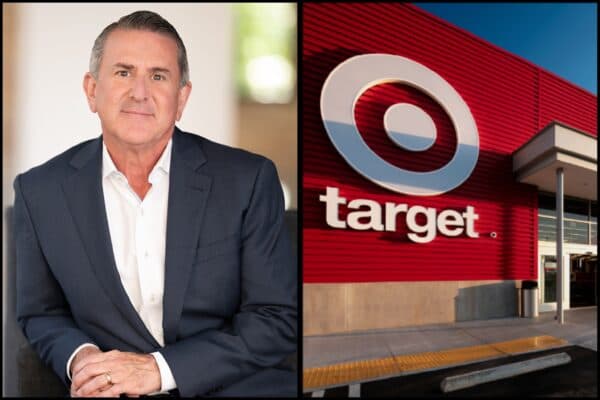
Target’s more than $50 billion market-value drop has become a workplace problem as much as a Wall Street story. Six straight quarters of falling sales, including a flat holiday period, have pushed the retailer into a harder phase of scrutiny, where every store visit, every payroll hour and every merchandising call is likely to face closer review.
The pressure is landing during a leadership transition that was already reshaping the company’s direction. Brian Cornell said in August 2025 that he would step down as chief executive, and Michael Fiddelke, a 20-year Target veteran and chief operating officer, was set to take over on Feb. 1, 2026. At the same time, Target entered 2026 expecting only modest sales growth after years of uneven results.
The company’s new response has been to spend more, not less. In March 2026, Target unveiled a multi-year growth plan that includes an incremental $2 billion investment in 2026, with more than $1 billion in additional capital spending and $1 billion in operating investments. The money is aimed at stores, payroll, training, technology and merchandising, which is the mix employees are most likely to feel first on the floor and in back rooms.
Home is at the center of the reset. Target said it would refresh the home experience, relaunch its Threshold owned brand this summer and add shop-in-shops in 200 stores. That matters because owned brands make up about one-third of annual sales and generate more than $30 billion in revenue. The retailer is also leaning on designer collaborations to rebuild style credibility, including Jeremiah Brent Home, an 80-plus piece bedding collection launched in January 2026, with most items priced under $100.
For team members, the strategic debate has a practical edge. Six quarters of decline usually mean tighter labor planning, more scrutiny on productivity and sharper demands to turn traffic into sales. With about 1,980 U.S. stores, even modest changes in staffing, display resets or category emphasis can ripple widely across stores, distribution centers and headquarters. Analysts have pointed to inflation pressure, tariff uncertainty, weak traffic and backlash tied to Target’s retreat from DEI policies as possible contributors to the slump.
The company’s broader trajectory makes the reset feel even more consequential. Target’s sales surged by more than $15 billion in the fiscal year after COVID-19, then stalled for roughly four years. Its holiday-quarter sales fell 2.5% in fiscal 2025, and its stock had fallen about 61% from its all-time high in late 2021. The question now is whether Target can restore the store experience, and the workforce rhythm behind it, without losing the identity that once made “Tarzhay” part of the brand.
This article was produced by Prism’s automated news system from verified source data, official records, and press releases, then run through automated quality and moderation checks before publishing. The system is built and supervised by the people who set the standards it runs under. Read our full AI policy.
Did this article answer your question?