Target opens Brooklyn Park innovation lab to test store, fulfillment ideas
Target’s new Brooklyn Park lab is aimed at the bottlenecks team members feel first: backroom flow, pickup handoffs and store fulfillment speed.
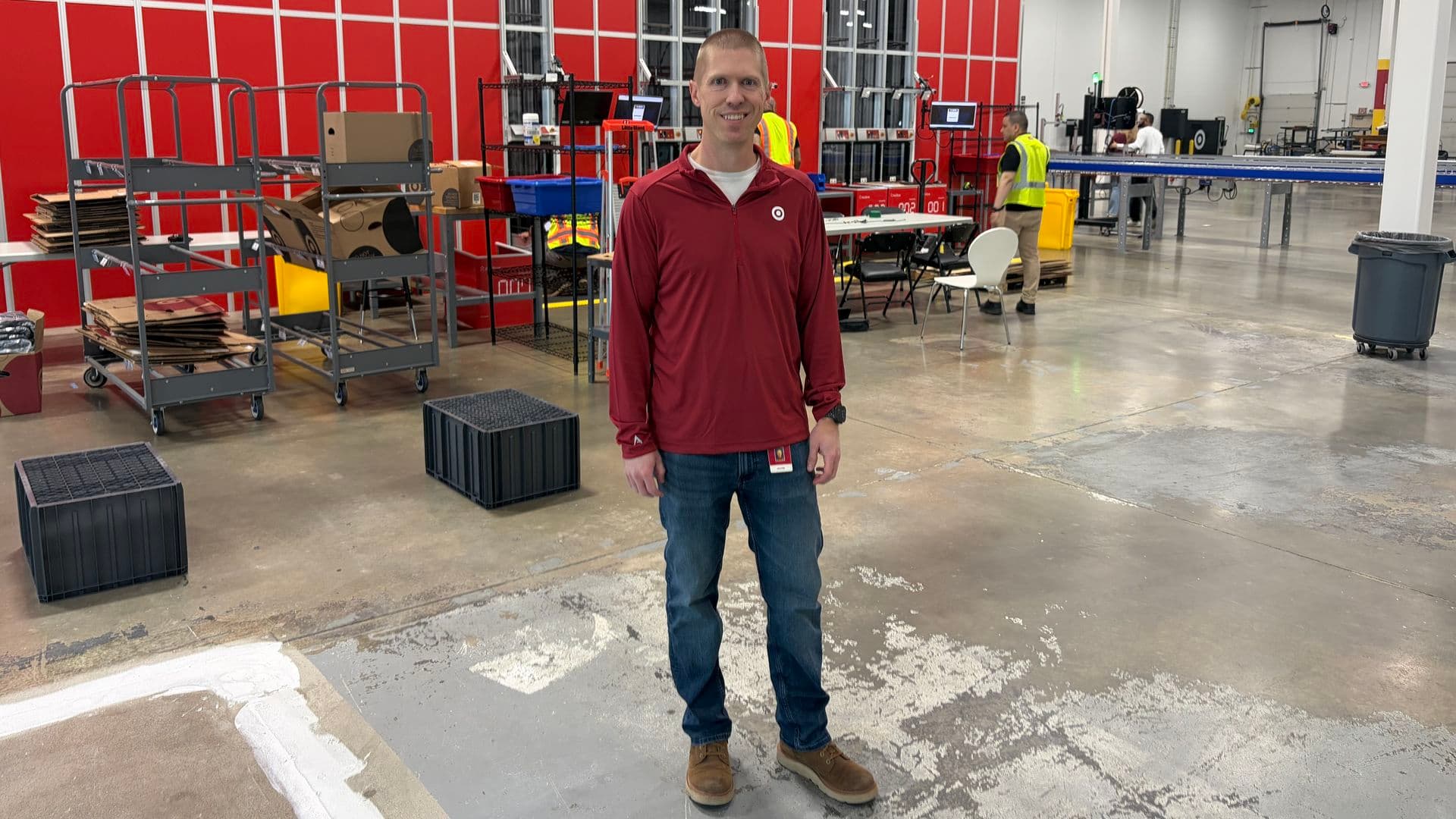
Target’s new Brooklyn Park innovation lab is designed to test the store and distribution headaches that can slow a shift long before a rollout reaches the sales floor. The facility, finished in May 2026 and described as an Epic Lab, gives Target a place to trial ideas for stores and distribution centers before pushing them across a network of about 2,000 stores that now double as shipping hubs.
That matters because Target’s stores are no longer just places to stock shelves and ring up guests. The company says its stores fulfill 95% of digital orders, including same-day delivery through Target Circle 360, which reaches 80% of the U.S. population. In practical terms, that makes every improvement in inventory visibility, backroom staging, pickup flow and shipment handoffs more than a corporate experiment. It can change how quickly team members can find product, clear congestion behind the sales floor and keep fulfillment moving during peak traffic.

Target has also backed that strategy with more money. On March 3, 2026, the company said it would lift its capital spending to about $5 billion, including more than $1 billion in additional capital expenditures, and add another $1 billion in operating investments. Target said those dollars would support new stores, remodels, technology and supply chain investments, a sign that the Brooklyn Park lab sits inside a broader push to make the operating model smarter, faster and easier to run.
The company’s supply chain is already built around that ambition. Target says it operates 66 supply chain facilities across 25 states, with nearly 60,000 team members working in that network. Target has said those facilities help lower costs and create efficiencies while increasing delivery speed for guests, and its 2025 strategy materials said it was investing in supply chain and fulfillment capabilities while leaning on stores and Shipt to improve delivery.
For store leaders and executive team leaders, the lab is a signal that the company wants to test operating changes before they become standard practice in every building. If the lab helps Target tighten replenishment, reduce backroom clutter or smooth the flow of guest pickup and digital orders, the effect could be fewer daily bottlenecks on the floor and more predictable work for frontline teams. The timing also underscores how aggressively Target is expanding while reworking how its stores function. The company opened its first store in Roseville, Minnesota, on May 1, 1962, opened its 2,000th store in Fuquay-Varina, North Carolina, in March 2026, and said it planned to add more than 30 new stores this year.
This article was produced by Prism’s automated news system from verified source data, official records, and press releases, then run through automated quality and moderation checks before publishing. The system is built and supervised by the people who set the standards it runs under. Read our full AI policy.
Did this article answer your question?