Target opens first-of-its-kind Houston receive center to boost supply chain flexibility
Target’s new Houston receive center can hold vendor goods until stores need them, a move meant to cut out-of-stocks and backroom scramble.
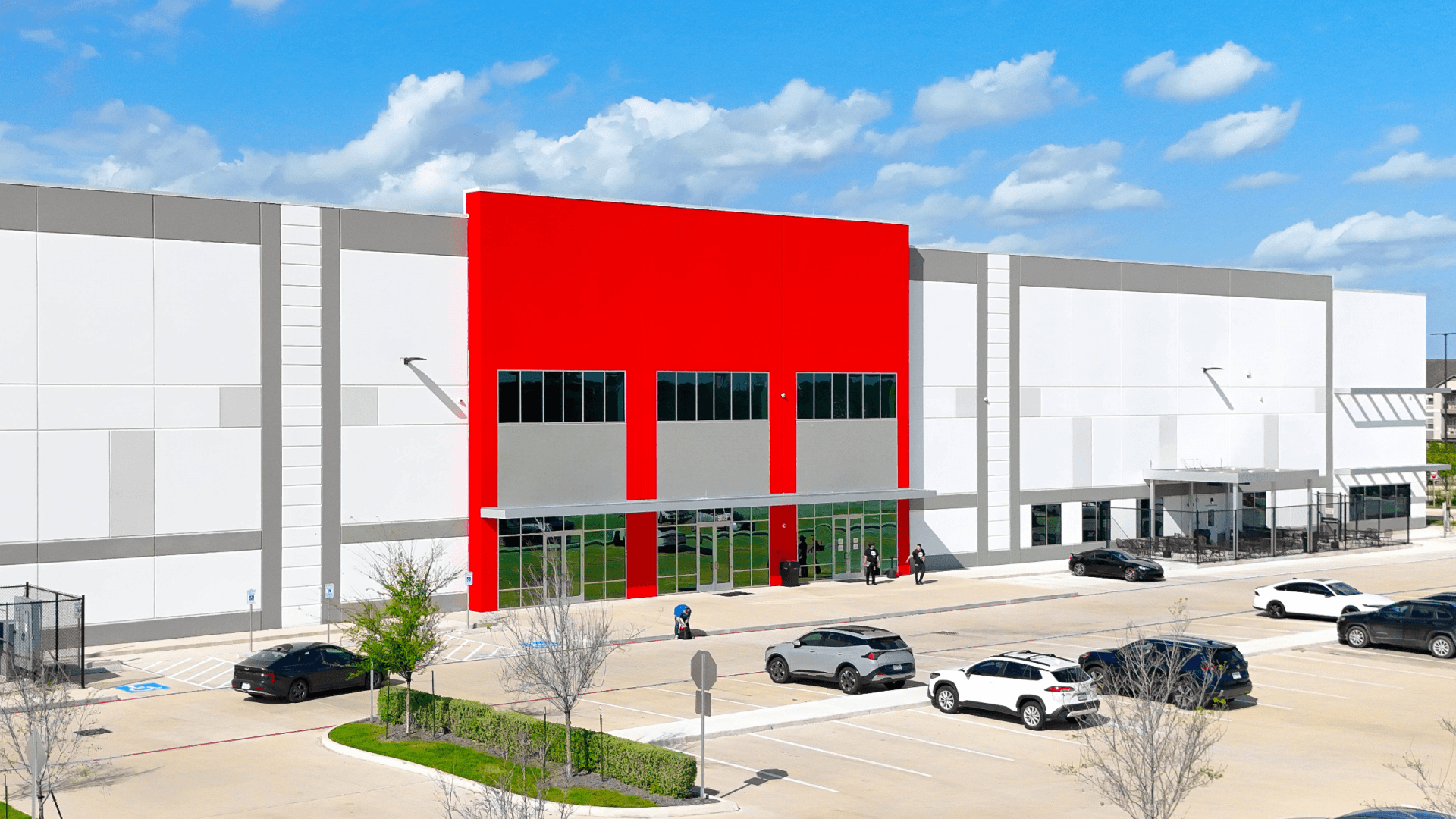
Target opened its first receive center in Houston on April 29, adding a 1.2 million-square-foot buffer between vendors and stores that is meant to keep shelves fuller and backrooms calmer. The $265 million facility at 5805 South Sam Houston Parkway East creates 185 jobs and gives the company a new way to stage merchandise until downstream replenishment is needed.
The site is the first of its kind in Target’s network and was built to serve six regional distribution centers and one flow center. Instead of moving every shipment straight through, the receive center takes goods from vendors and holds them until the next leg of the trip makes sense. The setup helps Target absorb swings in demand without forcing stores and distribution centers into constant catch-up mode.
For team members on the sales floor, the payoff is practical: fewer empty spots on the shelf, fewer urgent fixes when a truck runs late, and less pressure on backroom teams trying to keep seasonal sets and promotions on track. When inventory is staged closer to where it is needed, Target has more room to manage bulky items, hard-to-forecast merchandise and sudden shifts in guest demand without turning every disruption into a store-level fire drill.

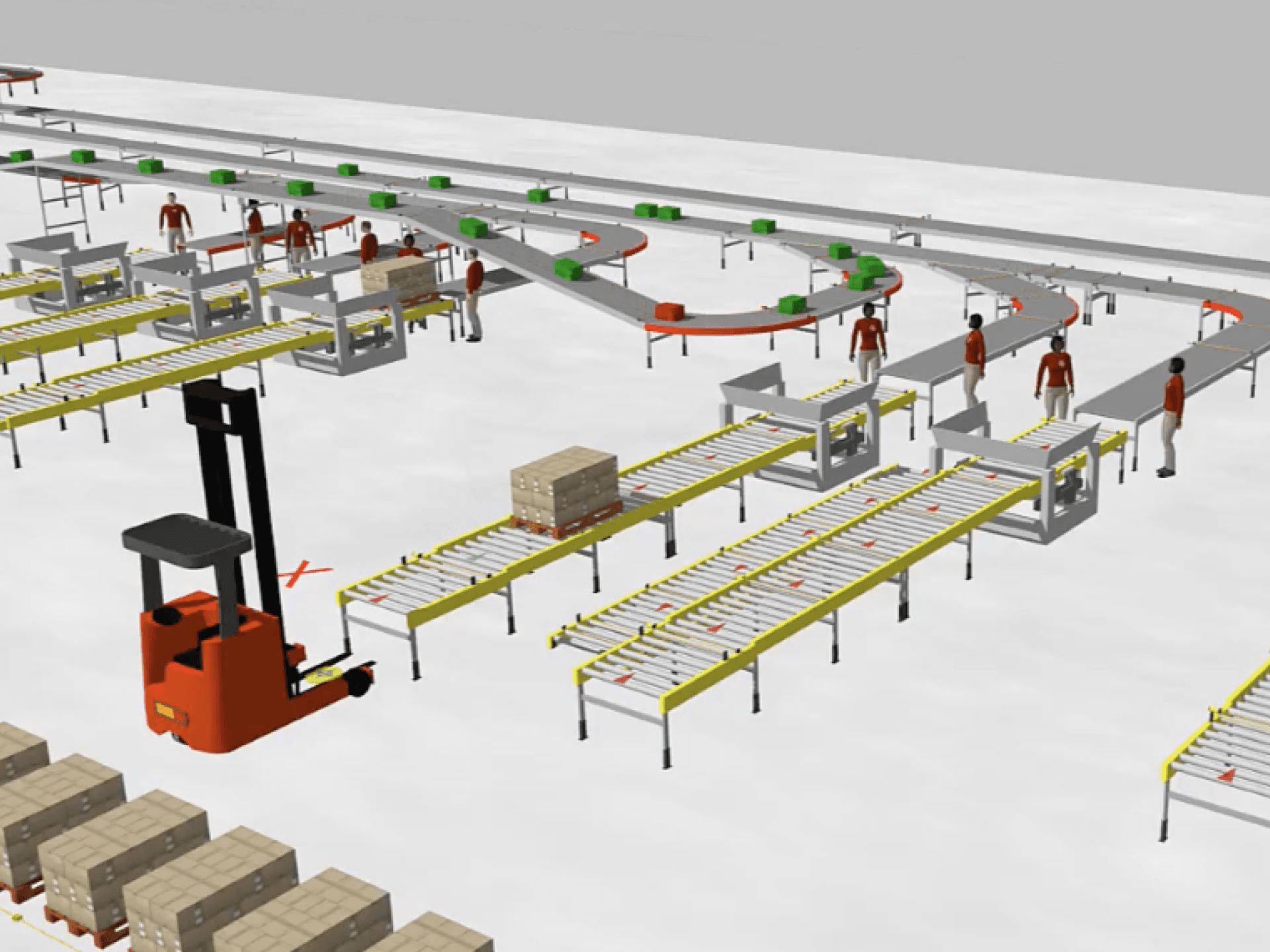
The Houston building sits between Target’s import warehouses in Georgia and Washington and adds regional capacity closer to demand. The facility includes 3D visualization and simulation technology in its design as well as two independent line sorters for redundancy if one line needs maintenance.
Target's 2025 annual report put its supply chain footprint at 70 facilities by January 2026, up from 55 in January 2023, and projected capital spending at about $4 billion to $5 billion. Target plans more than $2 billion in incremental investments in 2026, including more than a $1 billion increase in capital expenditures and another $1 billion in operating investments.
This article was produced by Prism’s automated news system from verified source data, official records, and press releases, then run through automated quality and moderation checks before publishing. The system is built and supervised by the people who set the standards it runs under. Read our full AI policy.
Know something we missed? Have a correction or additional information?
Submit a Tip