Target ramps up store remodels to improve shopping and fulfillment
Target’s remodel push is really a workflow reset: teams will juggle new zones, freight paths and pickup handoffs as the chain chases a faster store.
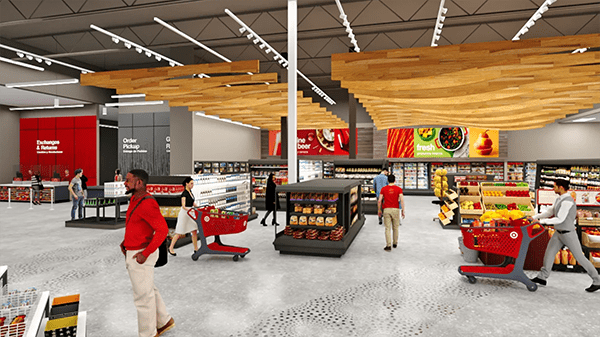
Target is ramping up remodels across the chain, and the real story is not the new fixtures. The company says 2026 will bring more than 130 full-store remodels, part of a $5 billion capital plan that also supports new stores, payroll and training, and it says the year will bring more change inside stores than any other in the past decade. For the people running the building, that means the workday shifts long before a fresh endcap or brighter aisle ever reaches the guest.
What Target is changing
Target says the remodels are meant to improve layouts, expand food options and speed up pickup and fulfillment, with updated floor plans and enhanced displays designed to spotlight top items, new styles and key partnerships. In the company’s own framing, the store is supposed to feel easier to navigate and more consistent from one location to the next. That sounds like a shopper story, but it is also a labor story because every move in the building, from merchandise placement to guest flow, affects who is standing where, what needs to be recovered, and how quickly the floor can be reset when traffic picks up.
How the change lands on the floor
Once a remodel starts, the daily rhythm changes fast. Aisles get rerouted, departments move, guest entry points can shift, and the backroom has to absorb more temporary clutter while product, fixtures and labor all move at once. That is where zoning, recovery and freight flow start to matter in a much more concrete way, because the team still has to keep the store shoppable while parts of it are under construction. Target’s own investment in updated floor plans and displays, plus additional payroll and training, is basically an admission that the building will not manage itself during the transition.
For team leads, the remodel period usually means more communication and more cross-team coordination, not less. Salesfloor, closing, fulfillment and backroom coverage have to line up around the same changing map, and the guest still expects the place to feel normal even when half the store is in motion. ETLs will feel the test most clearly in execution: if the new layout truly simplifies the store, then the team should spend less time fighting pinch points and more time keeping standards high. That is an inference, but it follows directly from Target’s emphasis on easier navigation, stronger displays and faster service.
Why fulfillment is the pressure point
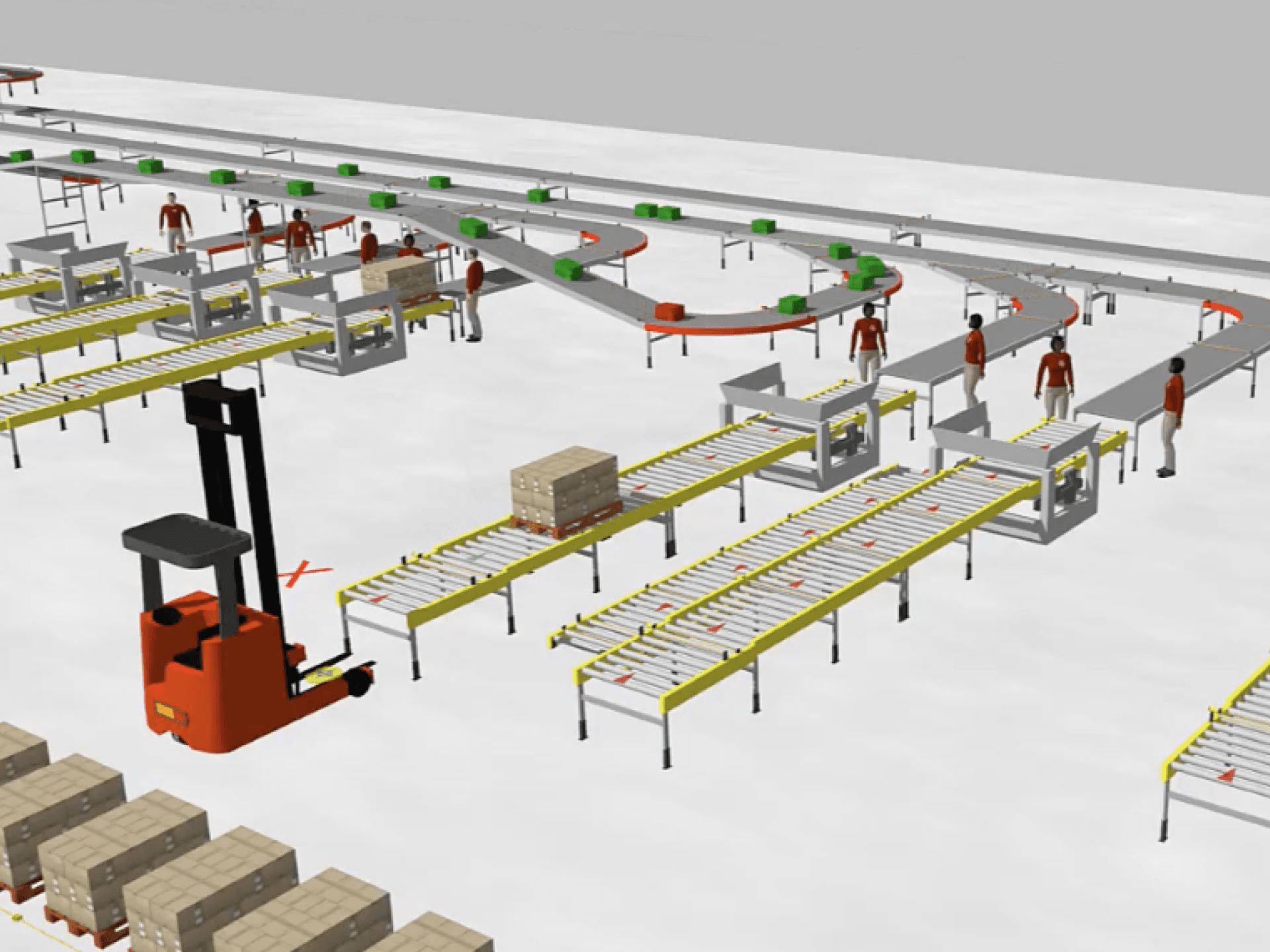
The fulfillment piece is what makes this remodel wave more than a cosmetics project. Target says its stores act as shopping destinations and micro-fulfillment hubs, and it says stores fulfill 95% of digital orders, including same-day delivery through Target Circle 360. On the guest side, that means Order Pickup, Drive Up and same-day delivery are not side services anymore. They are core traffic patterns, and any change to how the building is laid out changes how those orders are staged, retrieved and handed off.
Target’s pickup-and-delivery setup makes the operational stakes even clearer. Order Pickup is supposed to be ready within a couple of hours, Drive Up brings items to the car in minutes, and same-day delivery is available in a wide network of cities and shoppers. If a remodel improves those handoffs, it can reduce the friction that workers feel when online demand collides with in-store traffic. If it does not, the store just gets prettier while the same bottlenecks keep showing up in different places.
What teams get if it works
Target is pairing the remodel wave with broader workforce spending, including hundreds of millions of dollars in additional store payroll and training in 2026. It is also leaning on a more basic worker story than the usual corporate language suggests: the company says its starting wage range is $15 to $24 an hour, depending on role and location, along with competitive benefits and tuition-free education assistance. For store teams, that is the payoff Target is betting on, a building that is easier to run and a job that feels less like constant workaround management.
That is also why the company keeps tying store refreshes to its long-term growth plan. Target says it plans to open more than 30 new stores in 2026 and keep building toward more than 300 by 2035, while using remodels to deliver a more consistent guest experience. Adrienne Costanzo, Target’s chief stores officer, said the new investment helps bring the “full Target experience” closer to home, with teams that deliver “easy, inspiring and friendly moments every single day.” The real test is whether the remodels make that easier for the people inside the building, not just more polished for the people walking through it.
This article was produced by Prism’s automated news system from verified source data, official records, and press releases, then run through automated quality and moderation checks before publishing. The system is built and supervised by the people who set the standards it runs under. Read our full AI policy.
Know something we missed? Have a correction or additional information?
Submit a Tip