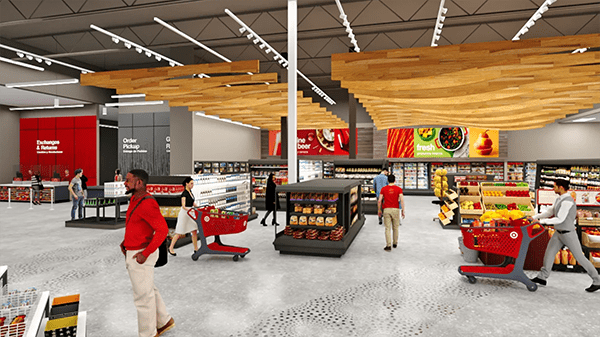
Target uses virtual design to plan Houston receive center
Target’s Houston receive center shows how digital mockups can prevent bad layouts, speed inventory flow, and cut retraining before a site opens.
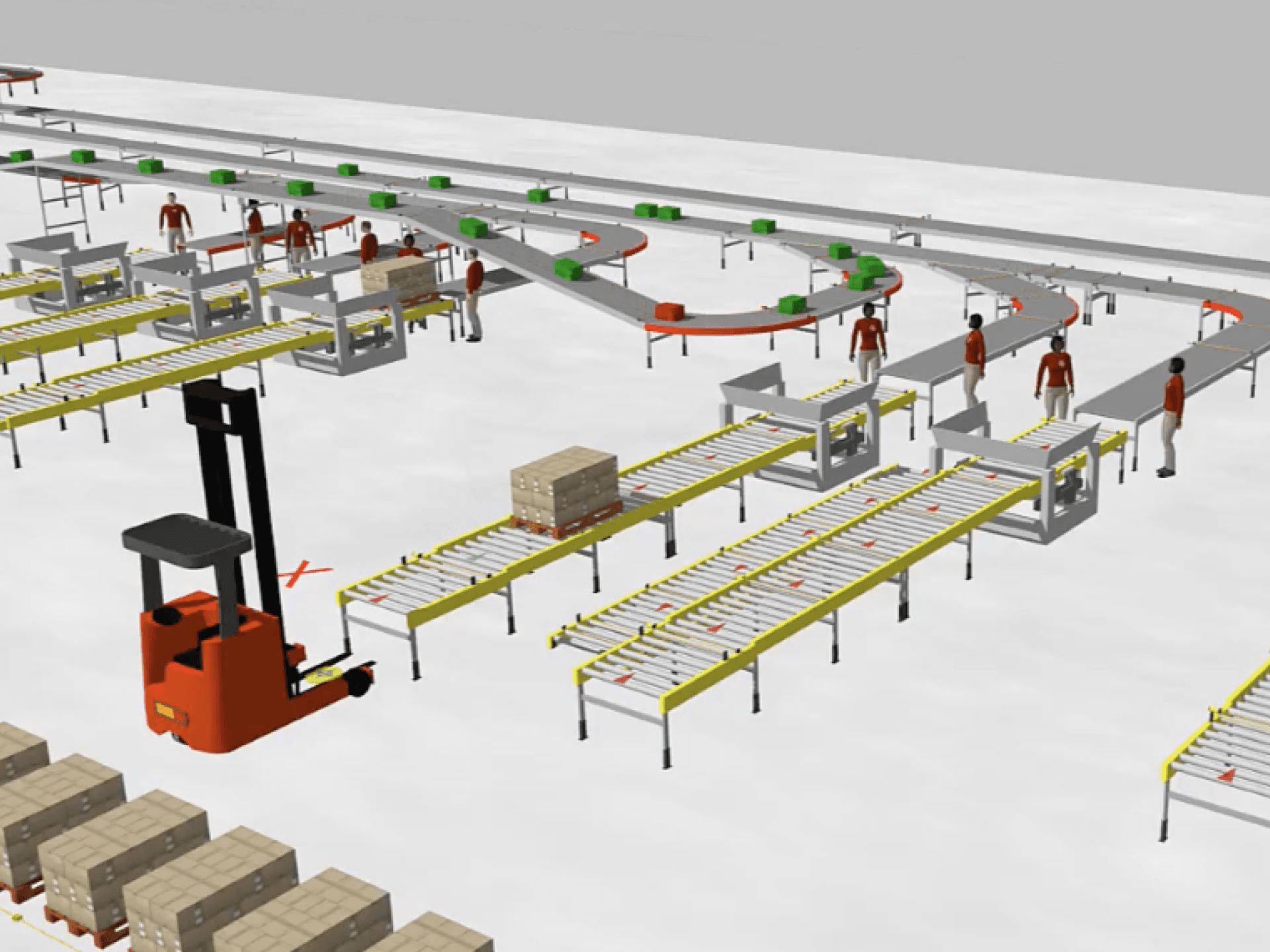
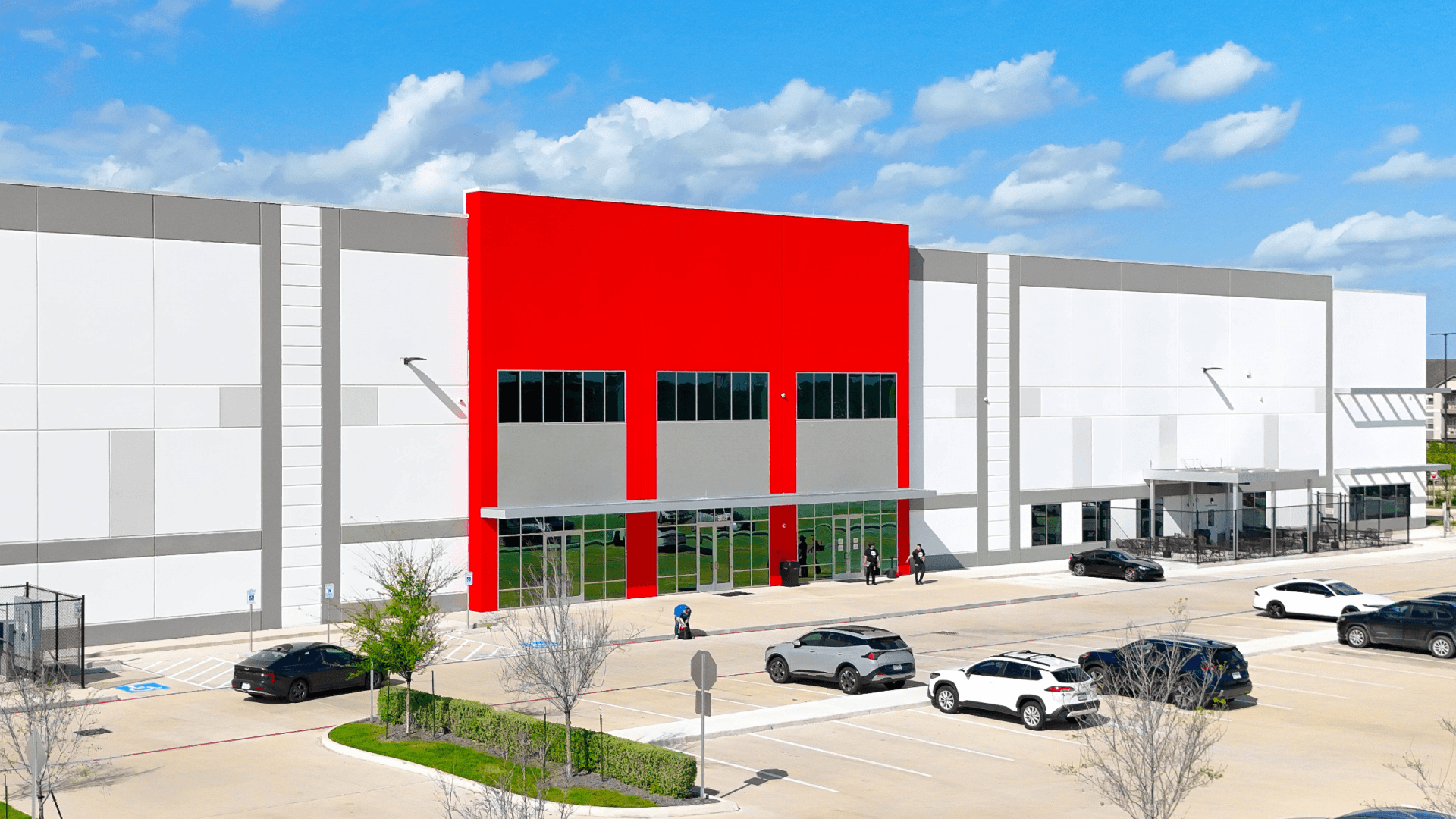
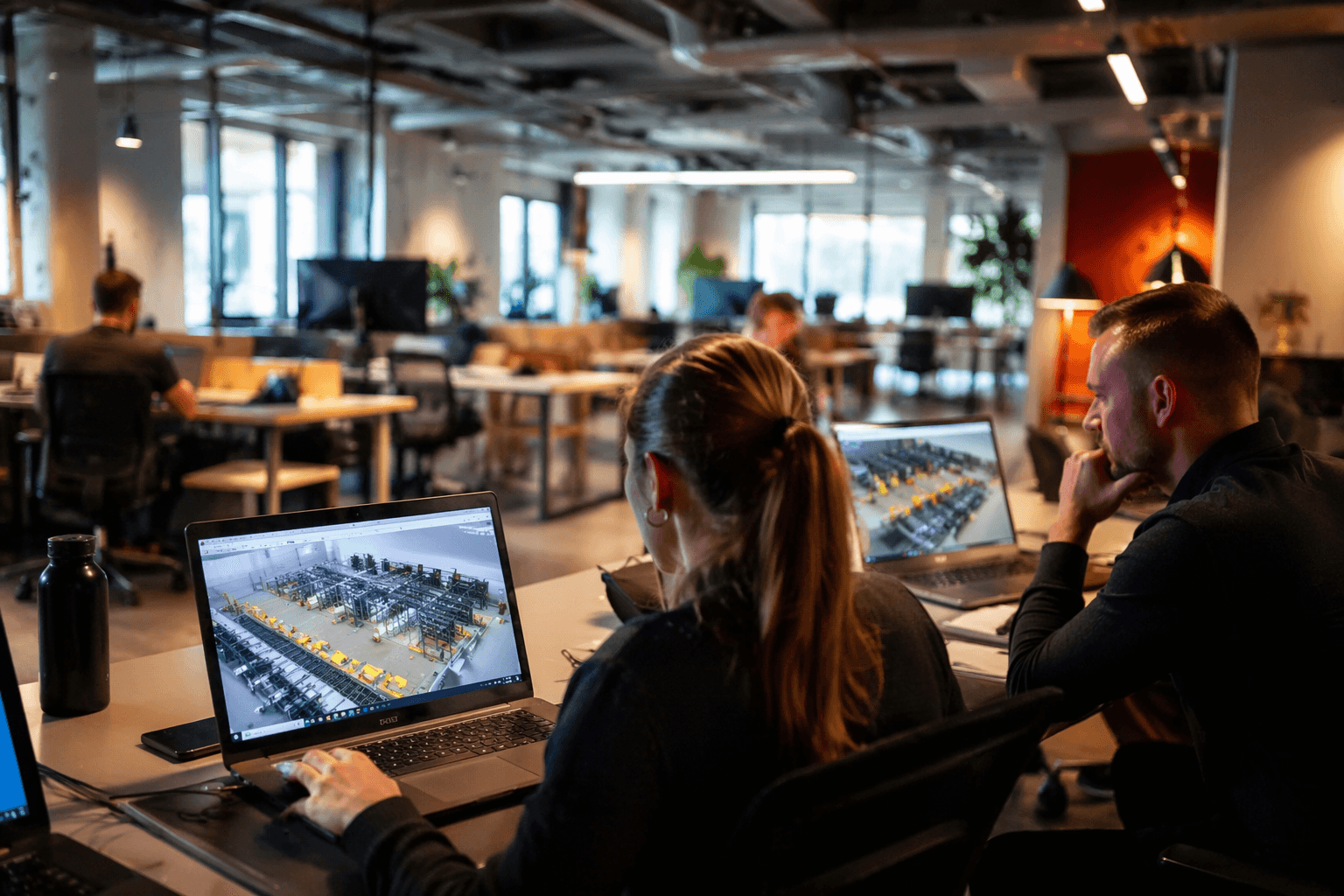
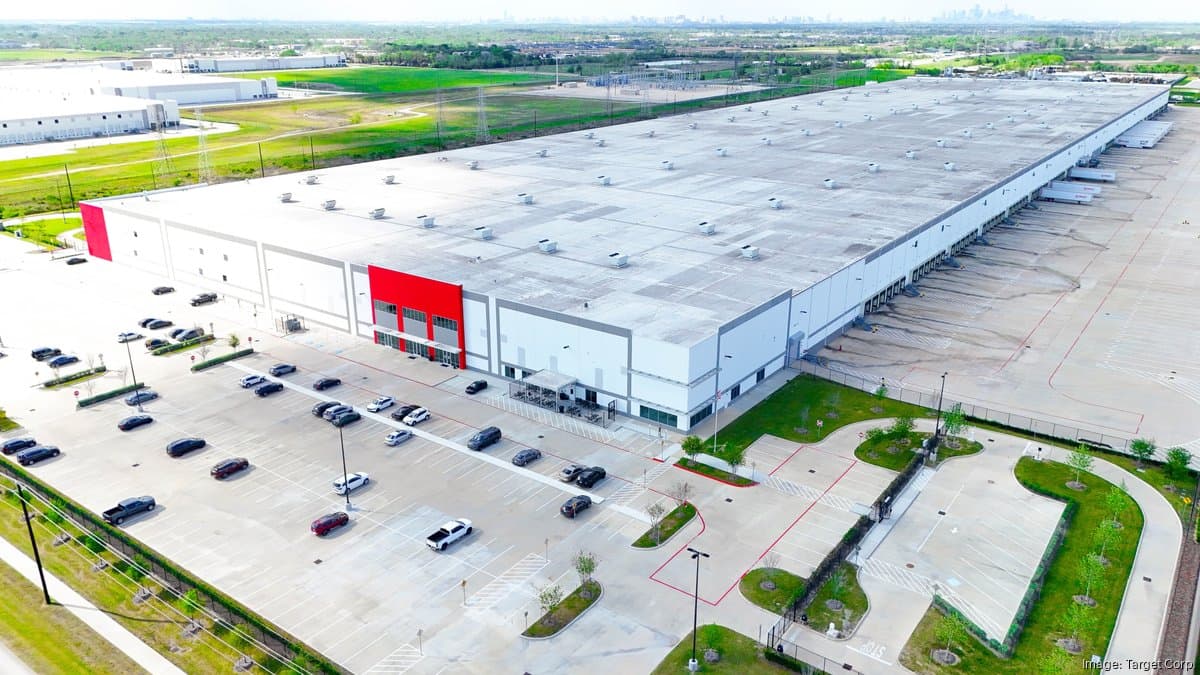
The 1.2 million-square-foot Houston receive center was designed with immersive 3D visualization and simulation at Target’s XR Experience Center in Minneapolis so teams could test layouts, receiving lines, and automation ahead of construction. It is a rare look at the work that happens before a building opens its doors.
How virtual design changes the job before day one
A receive center is only as good as the flow inside it. If the receiving lanes, staging areas, and handoff points are off, workers end up walking farther, waiting longer, and working around avoidable congestion that can ripple across a shift. Virtual modeling gives Target a way to see those problems early, when it is far easier to adjust a layout than to retrain a whole operation after the site is live.
Warehouse and supply chain mistakes show up as employee headaches, not just balance sheet problems. A poor design can force unnecessary motion, create sortation slowdowns, and raise safety concerns around traffic patterns and dock work. By stress-testing the Houston site digitally, Target is trying to make sure the physical building matches the actual work it needs to handle.
What the Houston receive center is built to do
Houston is Target’s first Receive Center, and its role is more specific than a standard distribution hub. Its role is to receive inventory directly from global vendors and hold products until they are needed, then send that inventory onward to six regional distribution centers and one flow center. The goal is to replenish stores faster based on customer and store demand while also lowering distribution costs.
The building will handle a large volume of product movement and coordination, which leaves little room for trial and error once operations begin. A mistake in the receiving process at that size does not stay local for long; it spreads into store replenishment, digital fulfillment, and labor planning downstream.
Why Target’s workers should care about the design
Virtual facility design aims to cut friction points, awkward workarounds, and last-minute fixes that can make the first months of operation harder than they need to be. A better designed backroom or receiving line can reduce wasted motion and help team members move product in a cleaner, safer sequence.
Target says its stores fulfill 95% of digital orders, and its same-day delivery service reaches the majority of the U.S. population. When a store and supply chain network carries that much of the digital workload, small design decisions inside a facility can affect how quickly orders move and how much pressure lands on team members during busy periods.
The Houston project also reflects a larger shift in how Target thinks about growth. Instead of waiting for a new site to reveal its flaws in real time, the company is using digital tools to pressure-test the building before the first pallet arrives.
How the Houston site fits Target’s bigger network
In 2024, Target said it planned to open 300 new stores over the next decade, a pace that makes supply chain planning part of the company’s store growth strategy, not an afterthought. In March 2026, Target said it would raise its capital investment plan for the year to about $5 billion, with more than $1 billion of that increase going to new stores, remodels, technology, and supply chain investments.
In 2023, Target said its specialized supply chain facilities allowed it to deliver digital orders faster, more efficiently, and at a lower cost, with up to 40% of last-mile deliveries arriving next day. That same year, it said sortation centers had increased next-day delivered orders by more than 150% since operations began.
Target’s Smyrna, Georgia, Target Last Mile Delivery extension facility increased next-day delivery reach by more than 30%, the company said, adding more than 500,000 consumers in the Atlanta metro area.
What the scale of the network says about the stakes
Target’s 2025 annual report put the company’s supply chain footprint at 66 facilities across 25 states, totaling 72.9 million square feet. At that scale, even one building’s layout can influence throughput, labor efficiency, and the speed of replenishment across a broad region.
On May 31, 2026, Jeff England joined Target as executive vice president and chief global supply chain and logistics officer. Coming from Walmart, he was brought in to oversee the next phase of supply chain work as Target continues to invest in stores, technology, and logistics.
This article was produced by Prism’s automated news system from verified source data, official records, and press releases, then run through automated quality and moderation checks before publishing. The system is built and supervised by the people who set the standards it runs under. Read our full AI policy.
Know something we missed? Have a correction or additional information?
Submit a Tip