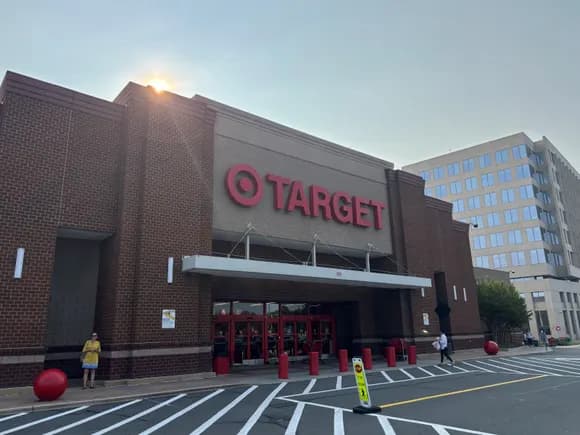
Target opens six stores, with dozens more planned through 2026
Six Target stores opened across four states, but the bigger story for workers is the hiring surge, transfer openings and training strain that follow.

Six new Target stores opened across Arizona, Missouri, New Jersey and North Carolina, creating immediate openings for hires, transfers and promotions even as they tightened the labor pool around existing stores. The openings in Buckeye and Casa Grande, Arizona; University City, Missouri; Myrtle Grove and Selma, North Carolina; and Jersey City, New Jersey also sent a clear signal to nearby team members: expansion can mean faster career movement, but it can also leave familiar stores with thinner benches and less experienced coverage.
Target said several more locations in Indiana, Texas, Utah and Virginia were on track to open later in the summer, extending a growth push that will keep district leaders, team leads and executive team leaders juggling staffing across multiple launch calendars. Each new store has to be staffed, trained and merchandised from scratch, while guest service routines, fulfillment setup and local community outreach are built at the same time. That creates opportunity for workers who want to move up, but it also means nearby stores may be asked to send their strongest people to help launch a building, then absorb the gap after they leave.

The company has said it plans to open more than 30 stores in 2026 and more than 300 by 2035, backed by a $5 billion capital plan that includes hundreds of millions of dollars in additional payroll and training. Target also said its 2026 growth plan includes more than $1 billion in additional capital expenditures and $1 billion in additional operating investments. For store leaders, that kind of spending does not just mean more square footage. It means more onboarding, more coaching, more reset work and more pressure to make new routines stick quickly.
That urgency matters because Target now leans heavily on its stores as both shopping destinations and micro-fulfillment hubs. The company says stores fulfill 95% of digital orders, which makes every opening part of its same-day service network, not just a new place to shop. Target’s newer stores are also large-scale operations: the Fuquay-Varina, North Carolina location is 148,000 square feet and has a food-and-beverage department 30% larger than the chain average. Target says 92% of shoppers at its newest store format are highly satisfied with the overall experience, a benchmark that will depend on how fast new teams can build culture and consistency on the floor.
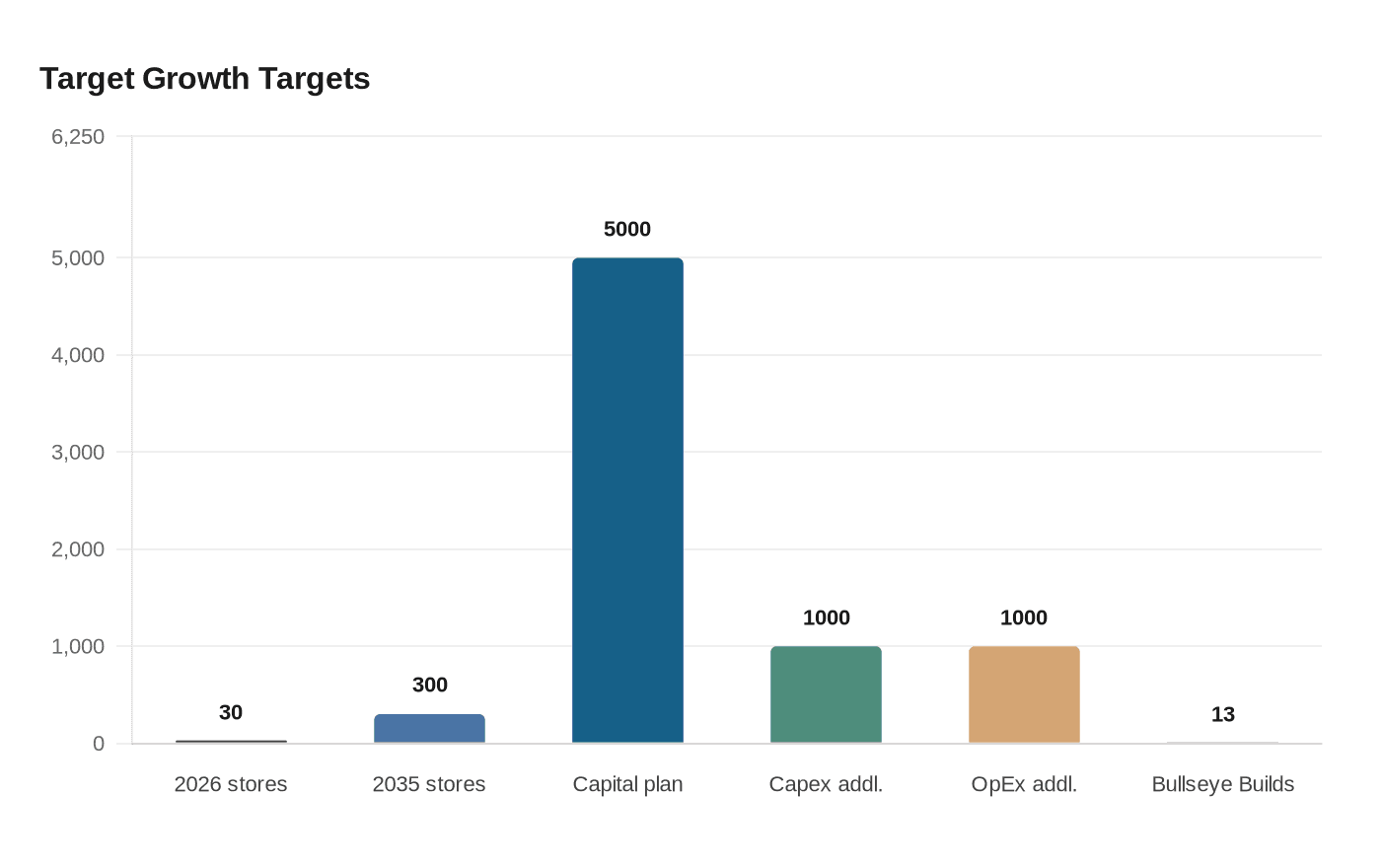
Workers have one more reason to watch the rollout closely: pay and community investment are tied to the same growth story. Target says frontline wages range from $15 to $24 an hour depending on role and location, with average hourly pay above $18.50. It also announced 13 Bullseye Builds for 2026, backed by a $1 million investment, after the program reached 25 community spaces since 2024. For employees, the expansion offers a path into new roles, but it also raises the same question in every district: whether the next opening will build momentum, or drain it from the stores already doing the work.
This article was produced by Prism’s automated news system from verified source data, official records, and press releases, then run through automated quality and moderation checks before publishing. The system is built and supervised by the people who set the standards it runs under. Read our full AI policy.
Did this article answer your question?