Target says stores power nearly all sales, digital and in-person
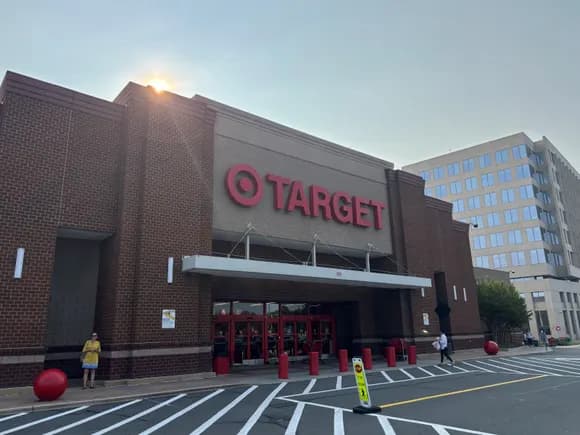
Target’s stores are doing the real work behind digital growth, with more than 30 million guests a week and nearly all sales flowing through the store network.
More than 30 million guests walk into Target stores each week, and those stores are doing far more than selling what sits on the shelf. They are the engine behind nearly all of Target’s sales, including digital orders, which is why the work on the floor, at guest service, in fulfillment and in backroom operations carries so much weight.
The store is Target’s operating center
Target’s own store page makes the central point plain: nearly all of its sales, including digital, are powered by its stores. That matters because it cuts through the usual retail talk about apps, websites and omnichannel strategy. The digital experience at Target is not separate from the store network. It depends on it.
The company operates more than 2,000 stores, including over 170 small-format locations, and the typical store is about 125,000 square feet. Target also says it can operate in spaces ranging from college campuses to dense urban areas. That scale explains why store teams are asked to do so much at once: keep shelves stocked, keep the building clean, keep orders moving and still deliver a shopping experience that feels neighborhood-specific.
What that means for team members on the floor
For store teams, the pressure is not just about traffic. It is about serving guests who shop in person, while also supporting pickup, Drive Up and same-day delivery from the same building. When a guest places an order online, the store is often where that order gets picked, packed and sent out. When a guest expects a quick Drive Up handoff, that same store has to make the timing work.
That is why merchandising accuracy, backroom discipline and service standards matter so much. A misplaced item is not only a shelf issue. It can turn into a missed pickup, a late order or a guest who leaves frustrated. In Target’s model, the store is both a shopping destination and a logistics node, and those roles now overlap every hour the doors are open.
Why the store network carries the digital business
Target’s annual reports make the store dependence even clearer. The 2024 report says stores fulfilled more than 96 percent of total merchandise sales in each of the last three years. The 2025 report says stores fulfill the majority of digitally originated sales. It also says this store-based model improves product availability, speeds fulfillment, lowers shipping costs and supports Order Pickup, Drive Up and Same-Day Delivery.
That is the part workers feel in daily routines. When digital demand rises, the store is not merely absorbing extra orders. It is helping the company make money faster and spend less to get products to guests. That explains why inventory accuracy, zone upkeep and fulfillment speed are not back-of-house details. They are core to the business.
Target’s digital results show how tightly connected the store network has become to online growth. In May 2025, the company said digital comparable sales grew 4.7 percent in the first quarter, driven by more than 35 percent growth in same-day delivery powered by Target Circle 360 and continued Drive Up growth. In November 2025, Target again said digital comparable sales rose, led by more than 35 percent growth in same-day delivery powered by Target Circle 360. Those gains are not happening in a warehouse-only model. They are happening because stores are carrying the load.
Why store layouts keep changing
Target is also signaling that the physical footprint is still the main growth bet. In March 2025, the company said it planned to add more than 300 stores over 10 years and open around 20 new stores in 2025, mostly large-format locations, while remodeling many more. In March 2026, Target said it would increase capital investment by more than $1 billion in 2026, for a total of about $5 billion, to support new stores, remodels, technology and supply chain investments.
The company also said it was increasing payroll and training and transforming in-store floor plans and displays as part of its growth plan. For store teams, that means the work environment is not static. The company is spending to change how space is used, how labor is deployed and how guests move through the store. Any team member who has watched aisles shift, pickup areas expand or guest flow change around fulfillment needs can read that as a sign of where the company is headed.
The small-format strategy is not new
Target’s push into different store sizes has a long history. In 2011, the company said it would open a small-format store in Chicago’s Sullivan Center and would call its small-format locations CityTarget. That move helped establish the idea that Target could fit into dense urban areas and college-adjacent markets where a full-size store might not work.
That older strategy still shows up in the current store page, which highlights that Target can operate in a range of spaces and tailor layouts to neighborhoods. The message is consistent: the company is not trying to force every market into the same box. It is using store design to widen access and keep the network close to guests.
The workforce behind the model
Target says it has more than 400,000 full-time, part-time and seasonal team members, and its 2024 annual report says U.S. hourly team members in stores and supply chain facilities make up the vast majority of the workforce. That is the real labor footprint behind the company’s retail strategy.
For employees, that means the store network is not just a branding asset. It is where most of the workforce sits, where most sales are fulfilled and where most of the operational strain lands. It also helps explain why Target keeps investing in pay, payroll and training while talking up guest-facing innovation. If stores are doing the bulk of the work, then the people in them are carrying the company’s most important promises.
Brand theater still matters, but it sits on top of logistics
Target has also built destination features into the store base, including more than 240 stores with Disney store shop-in-shops. Those displays matter because they help drive trips, excitement and brand differentiation. But they sit on top of the same operational structure that supports pickup, Drive Up and digital fulfillment.
That is the key takeaway for anyone working inside the company: the brand experience and the logistics system are now fused. A polished endcap, a stocked seasonal aisle or a smooth Drive Up handoff are all part of the same machine. Target’s stores are not a legacy holdover from its digital future. They are the future, and the company is making workers in stores carry that reality every day.
This article was produced by Prism’s automated news system from verified source data, official records, and press releases, then run through automated quality and moderation checks before publishing. The system is built and supervised by the people who set the standards it runs under. Read our full AI policy.
Did this article answer your question?