Target sortation centers speed deliveries and free store backrooms
Sortation centers take packing work out of Target backrooms, speed the handoff to carriers, and give store teams more room to keep orders moving.
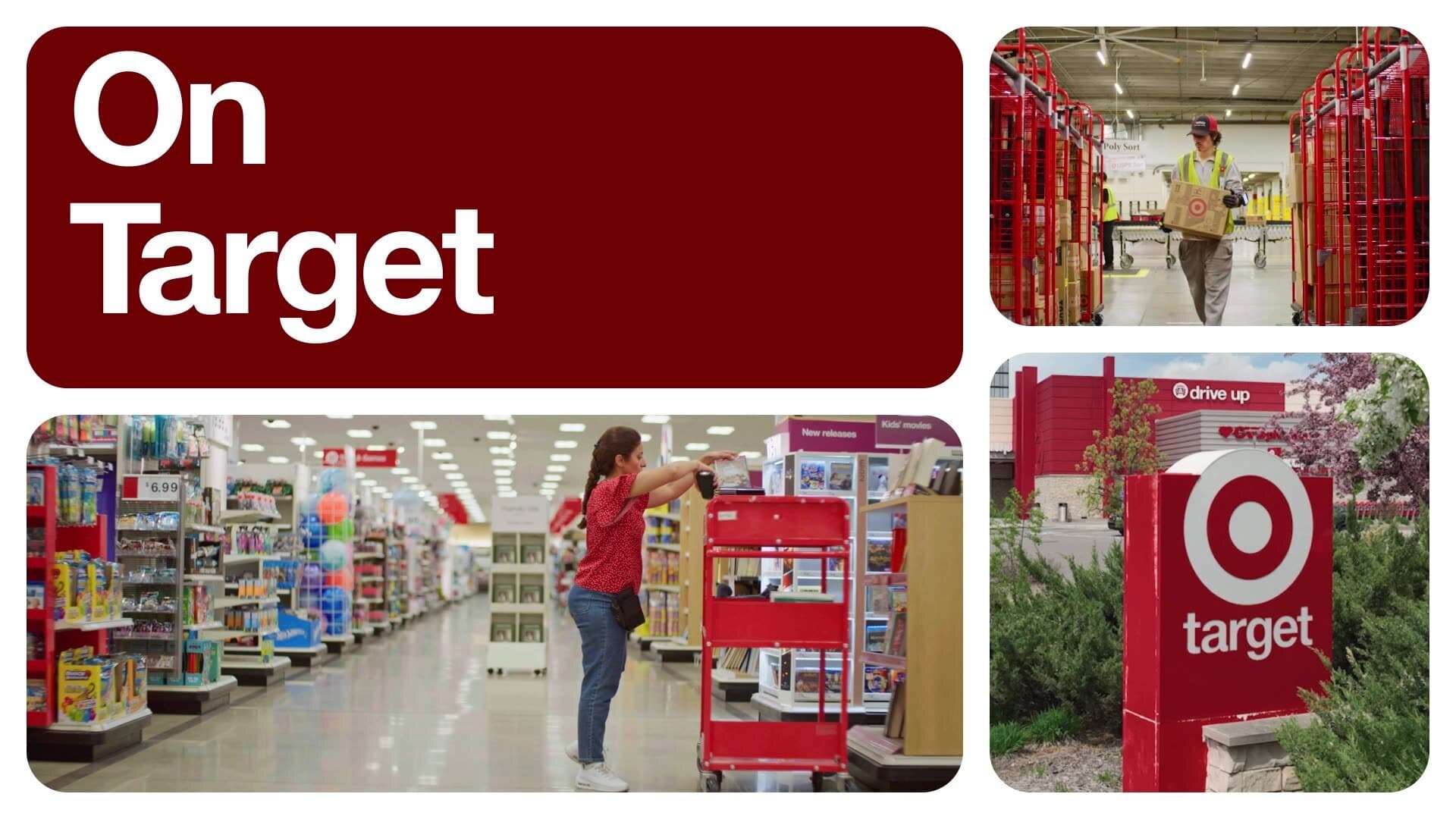
Why sortation centers matter to a Target shift
Target’s sortation network is one of those behind-the-scenes systems that changes the feel of a store day without drawing much attention from guests. The company’s stores-as-hubs model means stores still do most of the heavy lifting, with more than 97% of second-quarter 2023 sales fulfilled by stores, but sortation centers help decide what happens after a store has already picked the order. That matters on the floor because it pulls sorting and packing work out of the backroom, clears space, and gives team members more time to keep orders moving instead of wrestling with boxed-up overflow.
For backroom, fulfillment, and front-end teams, the practical effect is immediate: fewer piles waiting to be sorted, less manual handoff work, and a cleaner path from order pick to delivery. The payoff shows up in the pace of the shift. When the backroom is less clogged, teams can keep locating inventory, staging orders, and serving guests without the same pressure from a packed-out work area.
How the handoff works
In markets with a sortation center, Target says it retrieves packages daily from a range of 30 to 40 local stores. Those packages are then sorted, batched, and routed for delivery to nearby neighborhoods, using either a third-party carrier or Shipt, depending on the lowest-cost option. That setup is not just a logistics layer off to the side. It is a pressure valve for stores that would otherwise need more space, more coordination, and more hands devoted to post-pick sorting.
For store leaders, that means the handoff is cleaner and more predictable. Instead of building more work into already crowded backroom routines, the store can push completed packages into a system designed to absorb volume and send it out quickly. For team members on the floor, the benefit is less clutter and fewer interruptions in the middle of the day’s normal flow.
What changes for store teams
Target says sortation centers remove sorting and packing work from store backrooms, freeing space and time so teams can fulfill additional orders and serve guests. That is the core tradeoff workers feel. A remote facility may sound removed from the salesfloor, but it changes the pace inside the building by shrinking one of the most space-hungry parts of digital fulfillment.
The upside is obvious to anyone who has worked around a crowded backroom during a heavy digital day. When sorting happens elsewhere, stores can keep staging areas more disciplined, reduce the risk of order mix-ups, and spend less time shifting product around just to create room to work. The work that remains in the store is still demanding, but it becomes more focused on picking, staging, and guest service instead of also acting as a miniature distribution hub.
At the same time, the dependency shifts. Stores still need accurate picks, tight staging, and reliable daily pickups to keep the system moving. Sortation centers do not replace store labor, they make it more efficient by depending on stores to feed the network on time and in good order.
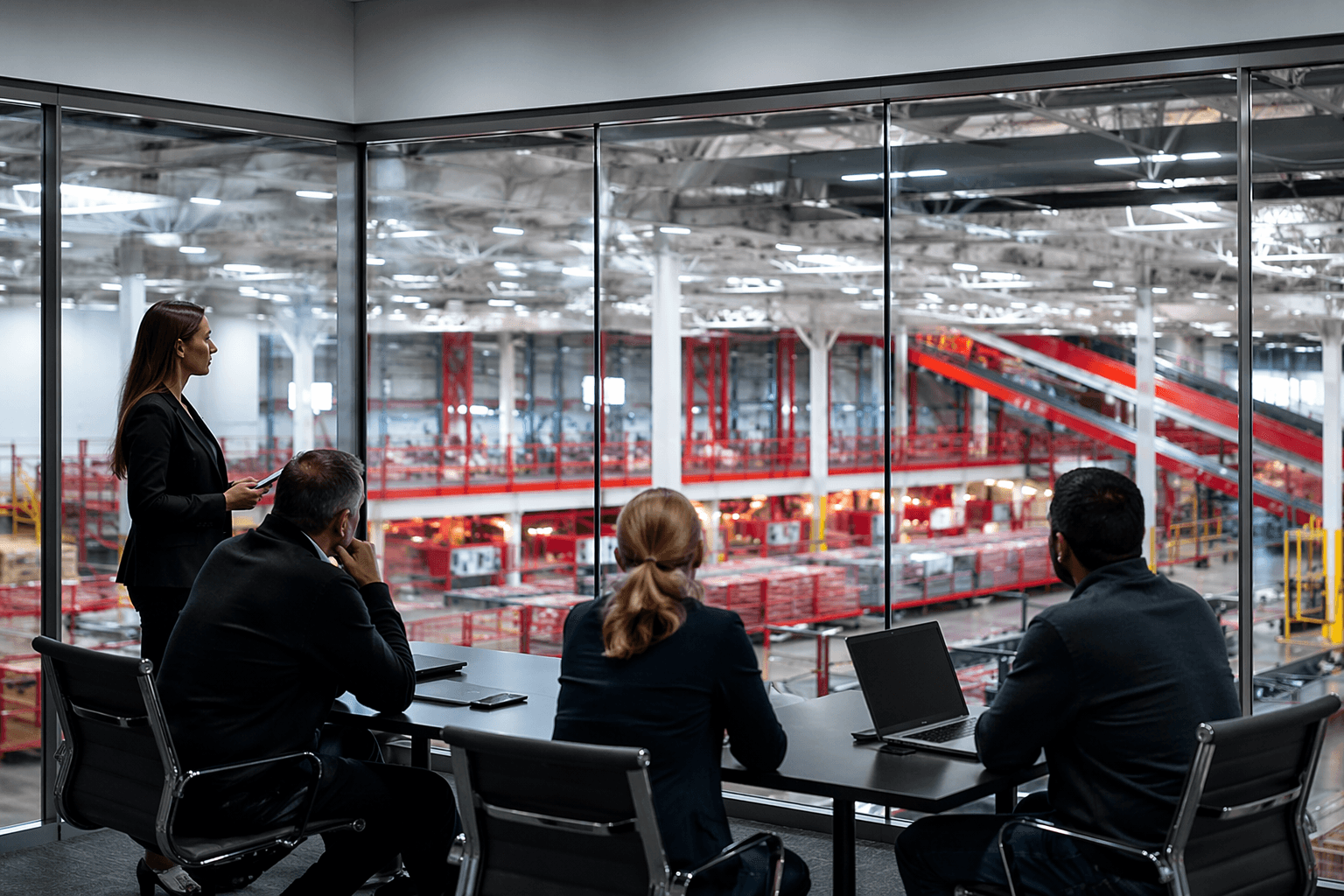
The scale Target is building toward
Target first piloted a sortation center in Minneapolis in 2020, and the network has expanded from there. The company said it had 10 sortation centers open across Minnesota, Texas, Colorado, Illinois, Georgia, Florida, and Pennsylvania, and it planned to open its 11th center in Detroit, Michigan, at the end of August 2024. Target also opened its first Target Last Mile Delivery extension facility in Smyrna, Georgia, in June 2023, another sign that the company is still refining the last mile rather than treating it as a fixed model.
The numbers behind the system show why Target keeps pushing it. The company said its sortation network was expected to process more than 35 million packages in 2023, more than 20% above the prior year and more than six times 2021 levels. Another report put the 2023 expectation closer to 50 million packages, roughly double the 2022 volume. However the volume is measured, the direction is the same: sortation has become a meaningful part of how Target moves digital orders without asking stores to absorb all of the downstream work themselves.
What the model means for speed and cost
Target says the network has helped increase the number of orders delivered next day by more than 150% since the start of operations. In 2024, the company said its sortation facilities were processing 19% more packages than a year earlier, delivering orders more than a day faster than the company’s network average, and doing it at 20% lower cost. That combination matters because speed, cost, and store labor are all linked. Faster delivery is not just a customer promise. It also depends on whether stores can keep the front end and backroom from being overwhelmed by the digital load.
That is why sortation is more than a carrier strategy. It is a store-operations strategy. By smoothing the handoff from store to carrier, Target can reduce congestion in backrooms, make staffing more manageable, and preserve some breathing room for the people who are still doing the picking and staging inside the store.
Why the company keeps expanding it
Target’s 2022 decision to invest $100 million to add at least six more sortation facilities over three years shows how central the network has become to its digital plans. The company is clearly betting that a specialized fulfillment layer can help it meet e-commerce expectations without making stores shoulder every extra step. That approach also reflects the broader reality of retail now: the speed guests expect is often built on invisible work spread across stores, local hubs, and last-mile partners.
For team members, the important takeaway is not just that packages leave the store faster. It is that the structure of the shift changes around them. A cleaner backroom, a shorter handoff, and a more disciplined flow of orders can make the day more manageable, even as the workload remains intense. In Target’s model, the store is still the starting point, but sortation centers help decide whether that work ends in congestion or in a faster, more controlled delivery chain.
This article was produced by Prism’s automated news system from verified source data, official records, and press releases, then run through automated quality and moderation checks before publishing. The system is built and supervised by the people who set the standards it runs under. Read our full AI policy.
Know something we missed? Have a correction or additional information?
Submit a Tip