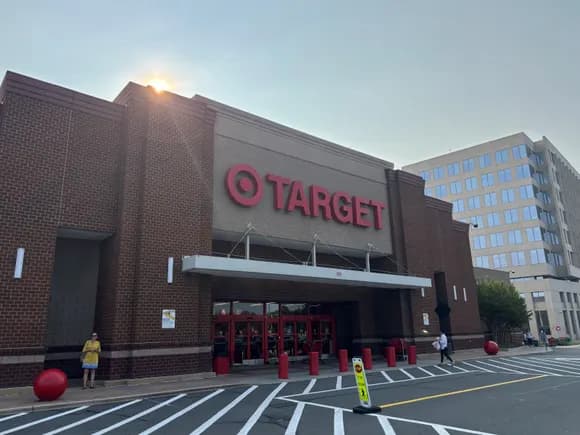
Target speeds up remodels, retools store layouts for faster service
Target’s remodel wave will do more than freshen aisles. It is set to change pickup, zoning, backroom flow, and safety for store teams as layouts open up.

Target is pushing a store overhaul that will hit the floor, the backroom, and the guest path at the same time. The chain said it plans to invest in more than 130 full-store remodels in 2026, along with more than 30 new stores, as it spends about $5 billion on capital projects and adds another $2 billion in operating and capital investment.
For store teams, the most immediate change is not cosmetic. Target said the remodels will transform in-store floor plans and displays, and its 2,000th store in Fuquay-Varina, North Carolina, will feature an open-layout design meant to improve the guest experience. That kind of layout shift changes how merchandise is zoned, how guests move through the building, and how quickly team members can get to pickup and Drive Up handoffs when the front end gets busy.
The bigger story is that Target is treating stores less like static selling space and more like service and fulfillment hubs. In 2022, the company said larger stores would support same-day fulfillment services and its stores-as-hubs strategy, and it noted that Order Pickup, Drive Up and Same-Day Delivery with Shipt had accounted for more than half of digital sales growth over the prior two years. That puts more pressure on store teams to keep the sales floor, backroom staging, and same-day lanes aligned as the building itself is reworked.
Target says its typical stores average about 125,000 square feet, which gives remodel crews room to shift adjacencies, widen pathways, and change how food, essentials, and high-traffic categories are positioned. For team leads and ETLs, that usually means more coordination between presentation work, replenishment, fulfillment, and guest service. For frontline team members, it can mean more training, more process changes, and more guest questions when signage changes faster than habits do. It also raises the stakes for safety when construction overlaps with normal operations, since temporary walls, moving stock, and rerouted traffic can affect both guests and workers.
The remodel push also fits into Target’s broader operating reset. The company said its 2025 strategy included a multi-year effort to remodel stores and drive more than $15 billion in sales growth by 2030, while its 2025 annual report said it was raising standards around product availability, presentation, training, and end-to-end reliability. In February 2026, Target’s leadership changes were tied to accelerating growth, stronger merchandising authority, and a better guest experience. For store teams, the message is clear: faster remodels are now part of how the chain expects stores to run every day.
This article was produced by Prism’s automated news system from verified source data, official records, and press releases, then run through automated quality and moderation checks before publishing. The system is built and supervised by the people who set the standards it runs under. Read our full AI policy.
Did this article answer your question?