Target staffing hinges on local labor markets, BLS data shows
Urban Honolulu sat at 2.2% unemployment while El Centro hit 17.6%, a gap that can shape Target hiring, hours and turnover store by store.
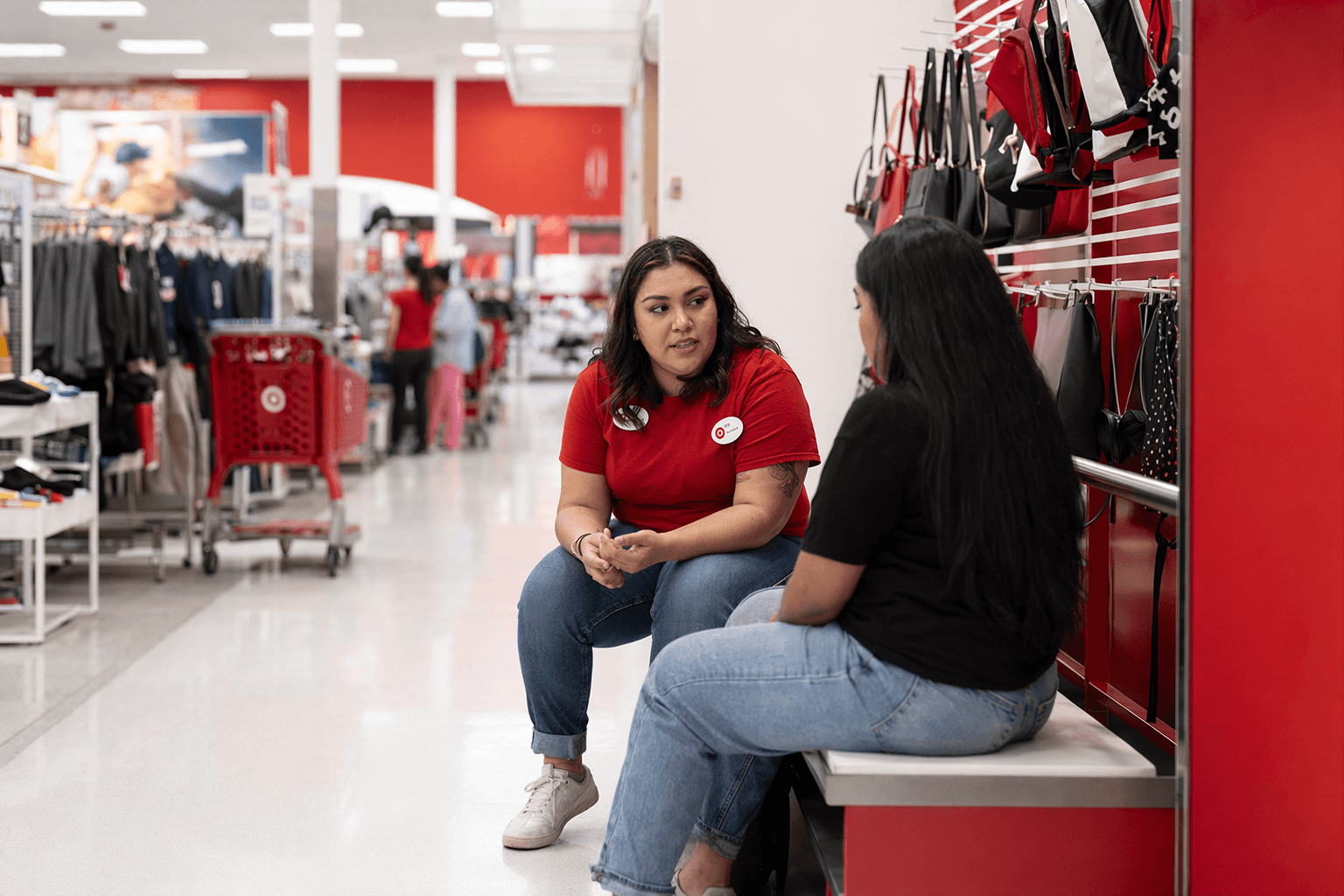
A Target store in Urban Honolulu faced a very different hiring market than one in El Centro, California. The Bureau of Labor Statistics said metro unemployment was higher in February 2026 than a year earlier in 236 of 387 metropolitan areas, a reminder that Target’s recruiting fight is being shaped block by block, not by one national headline.
The gap inside the same labor report was stark. Among large metro areas, unemployment ranged from 2.2% in Urban Honolulu to 17.6% in El Centro. BLS also said nonfarm payroll employment increased over the year in only 8 metropolitan areas, decreased in 7, and was essentially unchanged in 372. In other words, many local job markets were moving differently even when the national story looked stable.
For Target, that matters in very practical ways. Stores in lower-unemployment metros may have to work harder to pull in applicants, especially for early-morning, closing and weekend shifts that are hardest to staff. Stores in higher-unemployment markets may see more people apply, but not necessarily more people who are available on Target’s schedule, or who have the exact mix of experience and reliability leaders need. That is why one district can feel chronically short-handed while another seems easier to fill.
The pressure does not stop at hiring. Local labor conditions can also affect retention, scheduling and how much coaching store leaders must do before peak periods. A store near a tight labor market may need to be more deliberate about flexible scheduling and fast onboarding to keep enough coverage on the floor, at the registers and in fulfillment. In a looser market, managers may have more resumes to sort through, but they can still run into mismatches between applicant availability and the hours the store actually needs.
Target has tried to make that job easier by leaning on pay and benefits. The company says its U.S. hourly store and supply-chain team members have a starting wage range of $15 to $24 per hour, depending on role and location, and that the average wage for frontline team members is above $18.50. It also says seasonal team members receive day-one benefits. Target said on March 3 that it would increase spending on payroll and training, and it plans more than $1 billion in additional capital spending in 2026 for new stores, remodels, technology and supply chain investments.

That mix of local labor data and company spending helps explain the real staffing equation at Target. A store’s ability to fill shifts depends on where it sits, who else is hiring nearby, and how much Target can lean on pay, scheduling and training to keep people from walking out the door.
This article was produced by Prism’s automated news system from verified source data, official records, and press releases, then run through automated quality and moderation checks before publishing. The system is built and supervised by the people who set the standards it runs under. Read our full AI policy.
Did this article answer your question?