Target store leaders face uneven local labor markets, BLS finds
Target store leaders are hiring into very different labor markets, from Rapid City’s 2.0% unemployment to metro areas at 8.0% or higher. That gap can shift leverage on pay, schedules and retention.
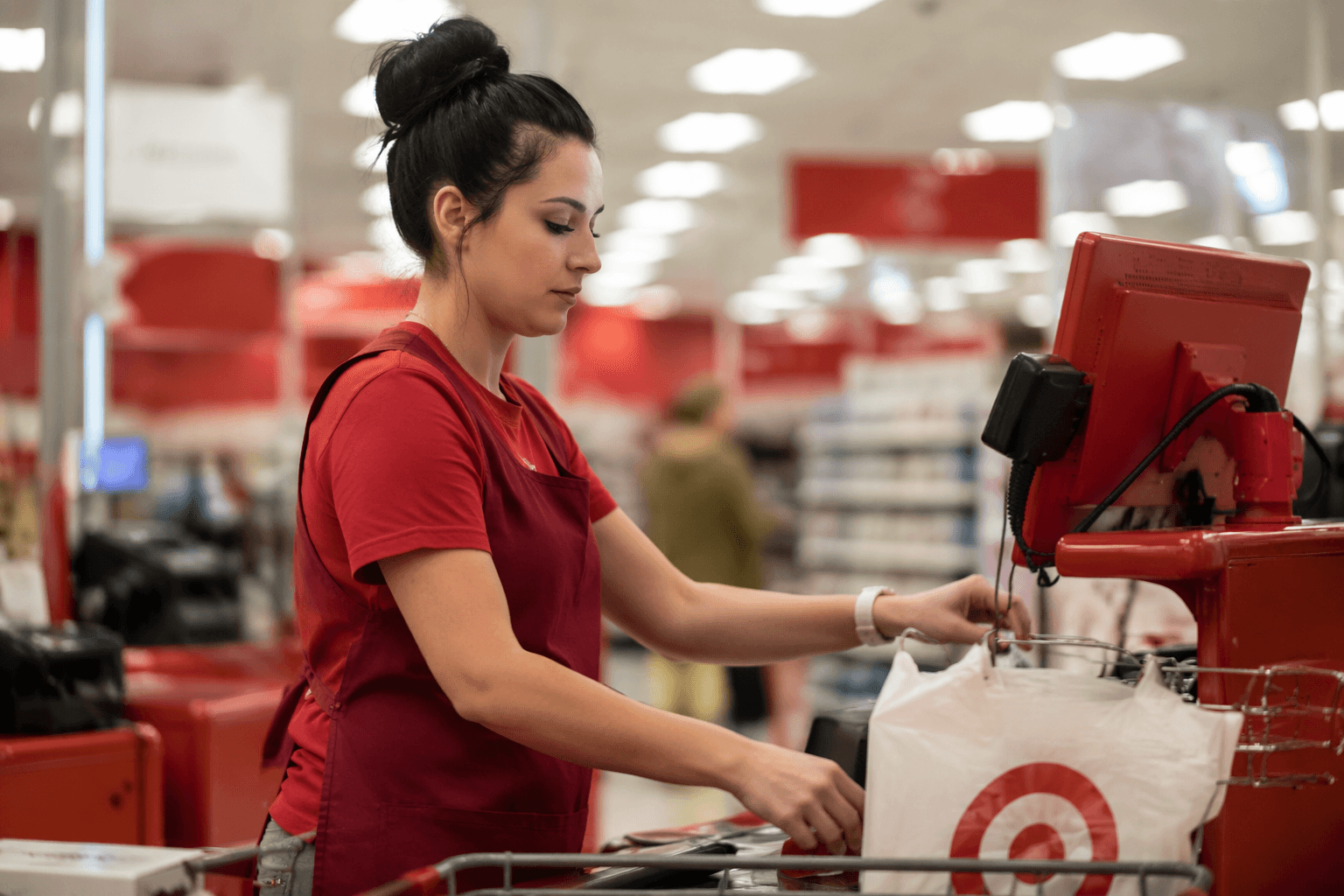
Target store leaders are managing staffing in a labor map that still looks sharply split, with Rapid City, South Dakota, at 2.0% unemployment and 10 metro areas at 8.0% or higher. The Bureau of Labor Statistics said that in March 2026, unemployment rates were higher than a year earlier in 174 of the 387 metropolitan areas it tracks, lower in 172 and unchanged in 41.
The national unemployment rate was 4.3%, little changed from a year earlier, but the metro picture was far less uniform. In the same release, nonfarm payroll employment increased over the year in just eight metropolitan areas, decreased in eight and was essentially unchanged in 371. For Target leaders trying to staff registers, fulfillment shifts and closing teams, that means the local labor pool can look nothing like the national average.

That distinction matters because the BLS metro unemployment data measure where workers live, while payroll employment measures where jobs are located. In practice, a Target store in a tight market may need more aggressive hiring, tighter retention work and more cross-training to keep coverage stable. A store in a softer market may see more applicants, but not always the kind of steady, long-term labor it needs to build benches for team leaders and department roles.
Target has already signaled that it plans to spend more to support stores. On March 3, 2026, the company said it planned to invest an incremental $2 billion this year, including more than $1 billion in additional capital expenditures and $1 billion in additional operating investments. Target said that plan includes increasing payroll and training to elevate the guest experience, while new stores and remodels are supported by a $5 billion capital investment plan for 2026 and hundreds of millions of dollars in additional store payroll and training.
That investment lands in a business where store execution is central. Target’s 2024 annual report said stores fulfilled more than 96% of total merchandise sales in each of the last three years, and it said U.S. hourly team members in stores and supply chain facilities generally start at $15 to $24 an hour. It also said the company opened 23 new stores in 2024 and expected to open about 20 more in 2025.
For Target workers, the takeaway is simple: bargaining power is local. In some metro areas, experienced retail workers have more room to push on pay, schedules and hours. In others, a deeper applicant pool can make jobs easier to fill but harder to stabilize. Store leaders who read the market correctly will be better positioned to protect coverage, promote from within and keep turnover from becoming the story of the year.
This article was produced by Prism’s automated news system from verified source data, official records, and press releases, then run through automated quality and moderation checks before publishing. The system is built and supervised by the people who set the standards it runs under. Read our full AI policy.
Did this article answer your question?