Target Supply Chain Faces Pressure as U.S. Goods Deficit Widens
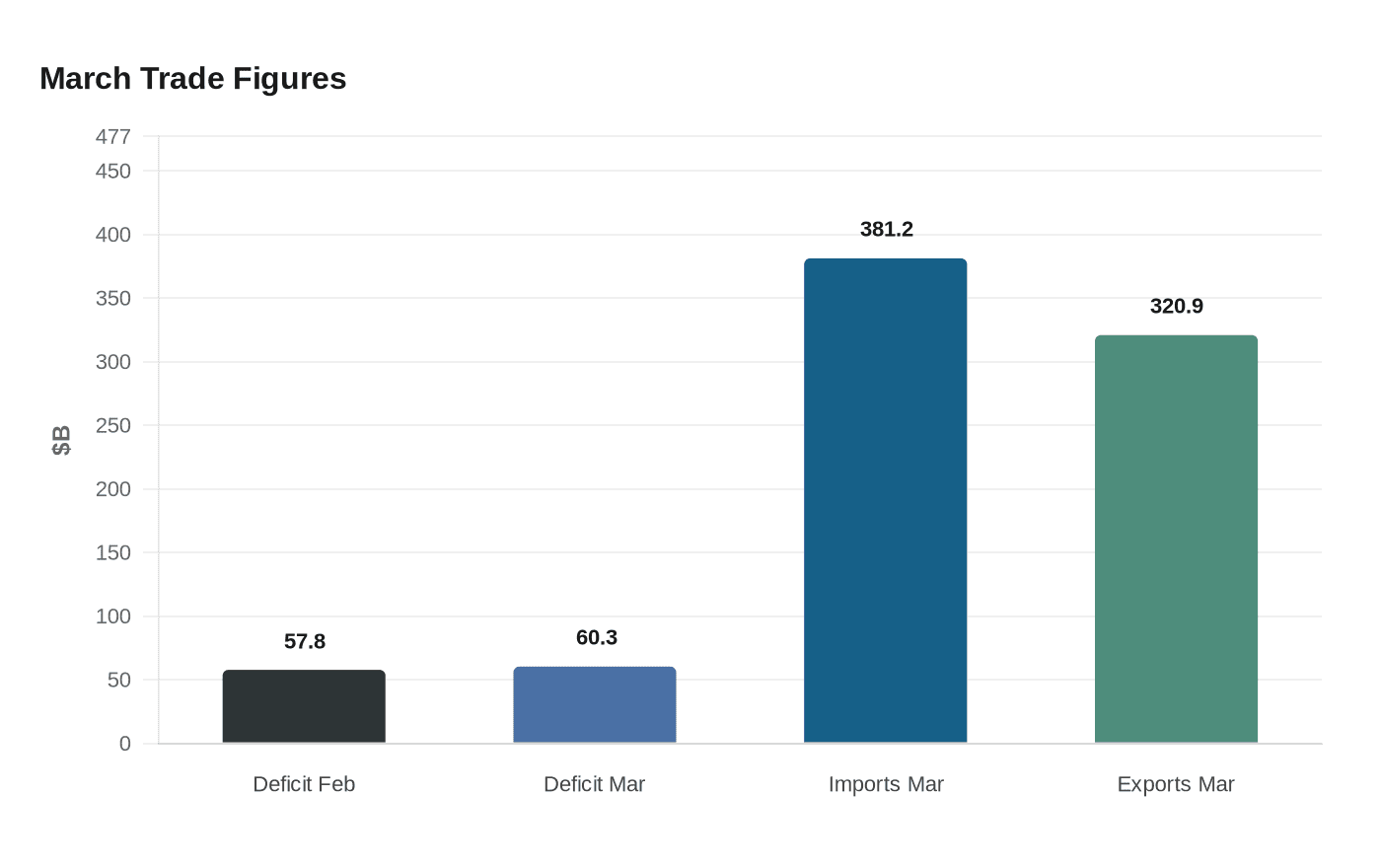
March imports rose to $381.2 billion, a sign Target's backrooms may feel more pressure as pallets, timing, and promo sets move through the system.
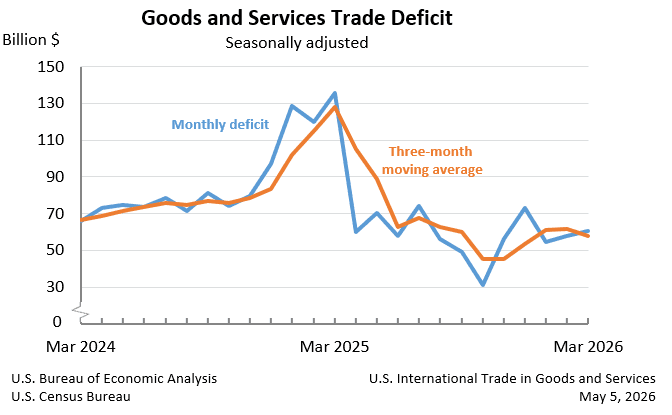
More goods moving into the country usually means more strain on the chain that gets product from ports to the sales floor, and that pressure showed up in the March trade numbers. The Bureau of Economic Analysis said the U.S. goods and services trade deficit widened to $60.3 billion in March from $57.8 billion in February, as imports climbed faster than exports. Imports reached $381.2 billion while exports rose to $320.9 billion, and the increase in the deficit reflected a $4.1 billion jump in the goods deficit to $88.7 billion.
For Target, that matters less as a macro headline than as an operating signal. With 1,995 stores and 70 supply chain facilities totaling 72.9 million square feet as of January 31, 2026, Target runs a network where even a modest change in import timing can ripple into receiving docks, backroom staging, and replenishment schedules. The company has said owned-brand products generally require longer lead times between order placement and delivery and earlier ownership in the supply chain, which makes timing risk especially important when import volume is rising.
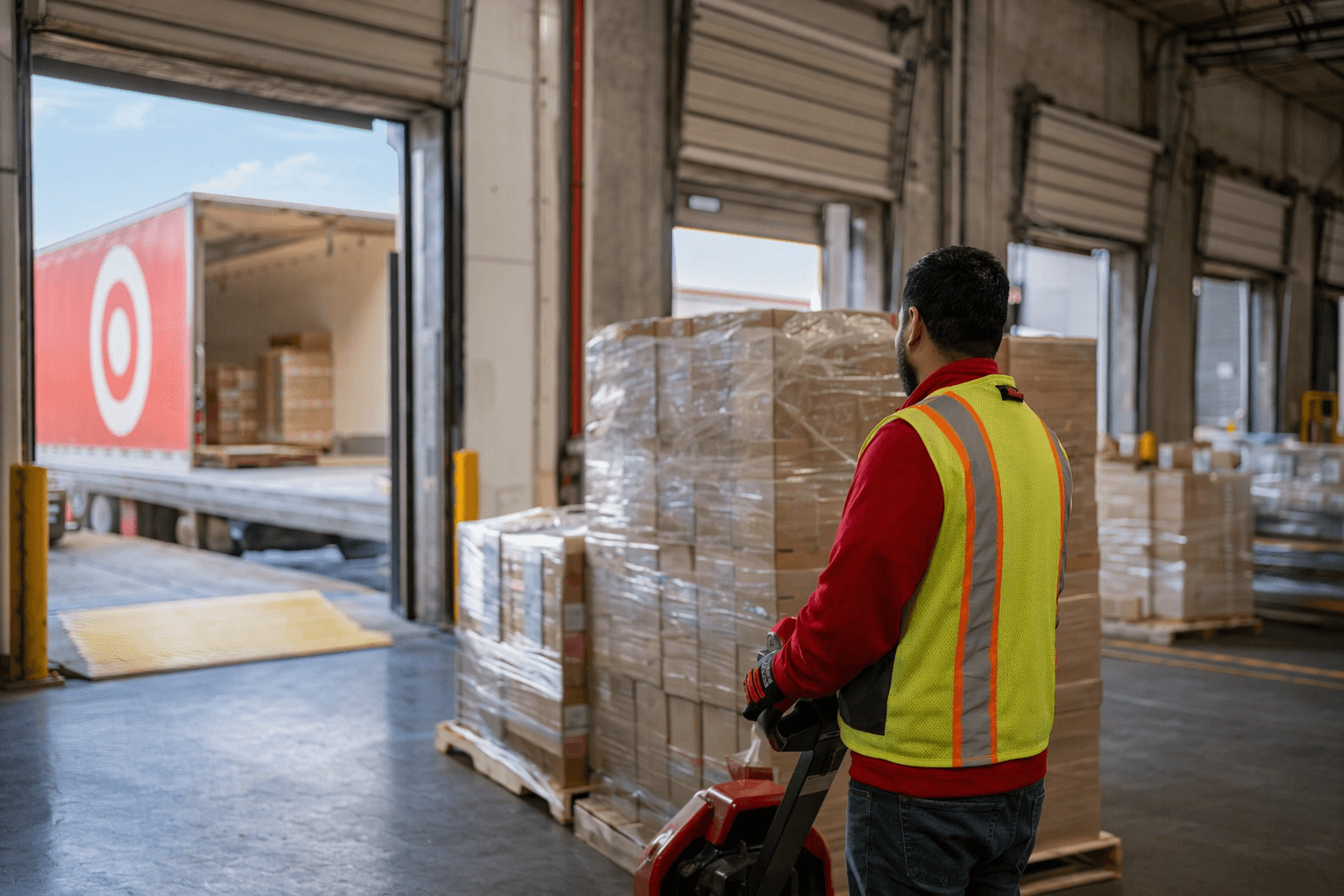
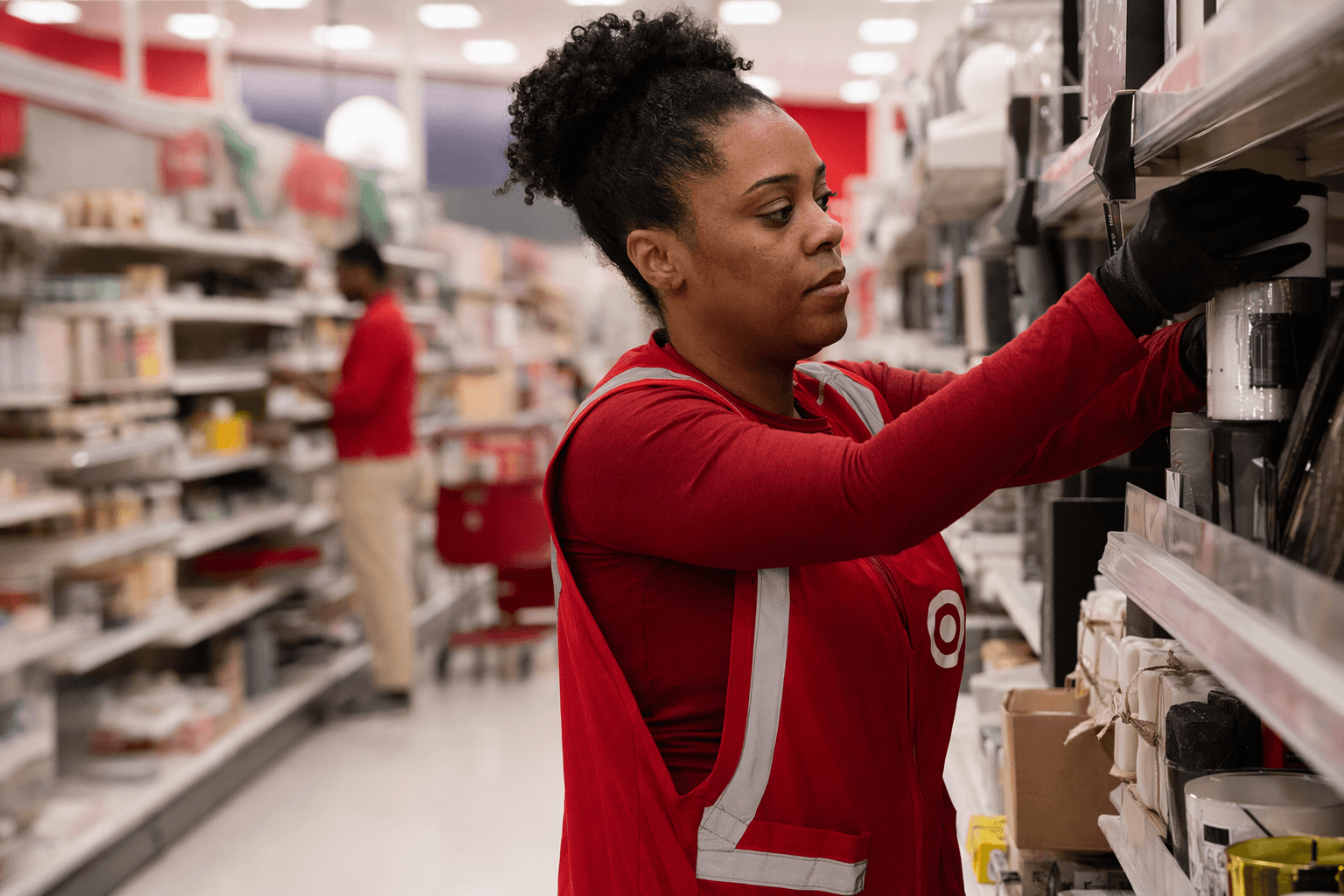
The early warning signs are likely to show up in the next few weeks where store teams already feel the squeeze. That can mean more pallets arriving ahead of a weekend rush, tighter backroom space, slower turn on seasonal sets, or more pressure to clear receiving areas before a promotional changeover. If vendors are pushing more product through the system, stores may see uneven shelf availability even when inventory exists somewhere upstream. A delayed truck, a crowded distribution center, or a late sortation handoff can turn into a missing endcap display or a reset that lands after the ad has already started.
The broader trade picture is more mixed than the March headline suggests. Year to date through March, the goods and services deficit was $211.2 billion lower than the same period in 2025, with exports up 12.0% and imports down 9.1%. But the monthly rise in March still points to a system carrying more volume and more timing risk, exactly the kind of pressure a retailer like Target has to absorb across ports, warehouses, stores, and owned brands.
Target has already signaled how much it expects from that system. In its 2025 annual report, the Minneapolis-based company said it planned more than $2 billion in incremental investments across the business, including more than a $1 billion increase in capital expenditures and another $1 billion in operating investments. That spending underscores the same reality the trade report points to: when goods flows change, the burden lands on the workers who have to make the merchandise appear on time.
Know something we missed? Have a correction or additional information?
Submit a Tip