Target tells 150 merchandising staff to relocate to Minneapolis or leave
Target told about 150 remote merchandising employees to move to Minneapolis or leave. Those who relocate can get assistance; those who exit may get separation benefits.

Target told roughly 150 remote merchandising employees they must relocate to Minneapolis headquarters or leave the company, a move that puts a hard deadline on where that work will be done. Employees who accept the transfer can receive relocation assistance, while those who do not may receive separation benefits.
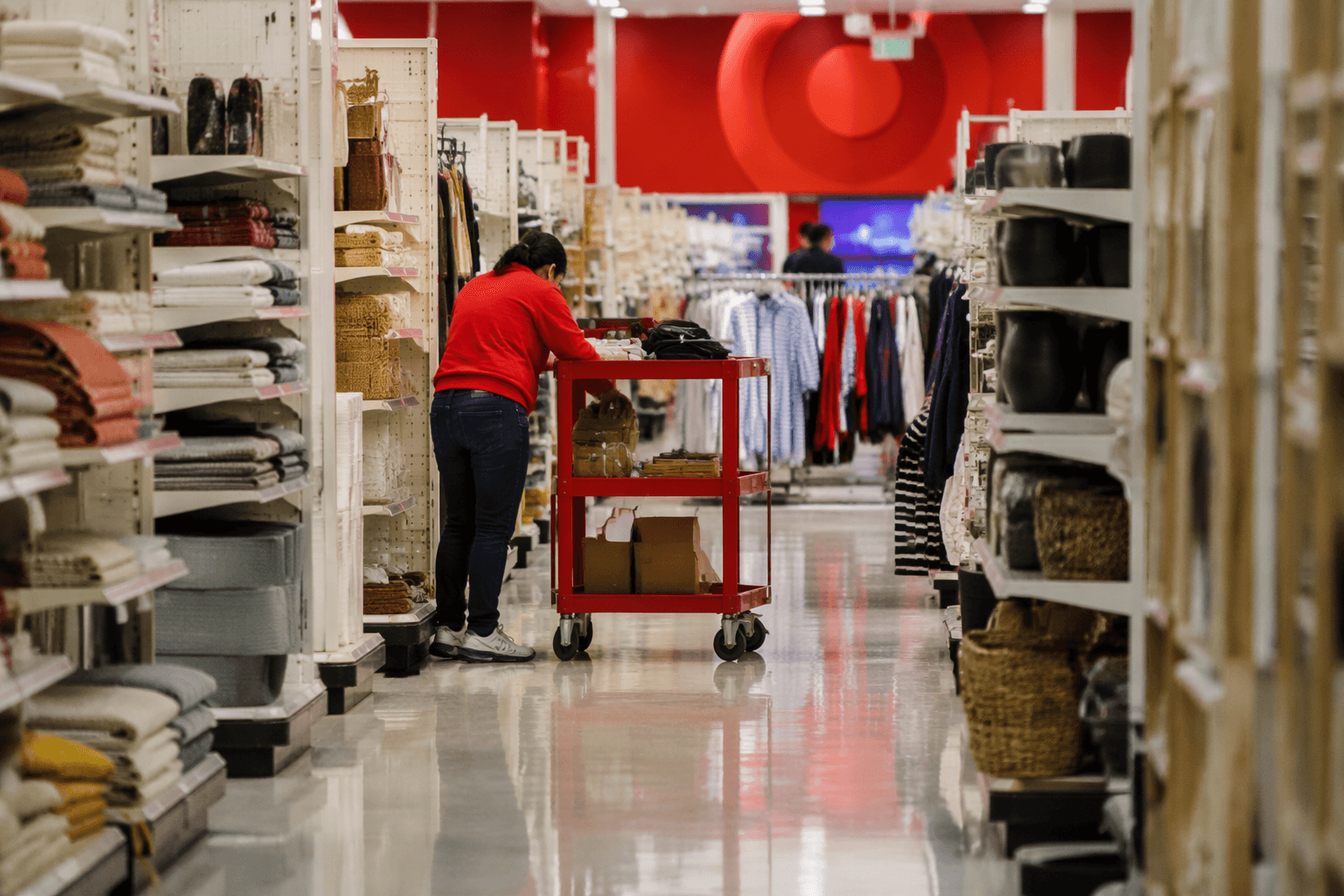
The order lands squarely inside Target’s merchandising organization, the group that helps decide assortment, pricing, seasonal resets and shelf availability across the chain. For affected workers, the choice is not abstract: move to the Twin Cities and absorb the costs and disruption of uprooting a household, or take the exit package and walk away from a corporate role that has likely been built around remote flexibility.

The decision also signals how Target wants its headquarters to operate going forward. Bringing merchandising staff closer to downtown Minneapolis can speed up cross-functional work with stores, supply chain and product teams, especially as the company keeps pushing for faster decisions and tighter execution. For store leaders, that can translate into quicker calls on inventory, product changes and seasonal transitions, but it also means corporate pressure is being centralized more tightly around headquarters.
Target had already been narrowing remote options before this relocation directive. In December 2023, Axios reported that the company would require thousands of local corporate employees back in headquarters four times in 2024. Later, Target’s Chief Commercial Officer Rick Gomez said team members would need to work in person at least three times a week starting Sept. 2, a change that KARE 11 said applied to the commercial unit and that Star Tribune described as a four-day-a-week return for that group. The new relocation order goes further than a hybrid mandate because it ties continued employment to a physical move.
The timing matters for employees watching Target’s broader turnaround. Retail Dive has reported that the company shortened its go-to-market timeframe from seven months to eight weeks and planned a multiyear merchandise revamp backed by $4 billion to $5 billion in store, supply chain and technology investment in 2025. A relocation requirement of this size suggests that Target’s leadership sees proximity and in-person coordination as part of that reset, not just a workplace perk.
For merchandising staff weighing whether to stay, the key question is whether the move is worth the disruption against the security of staying inside a major corporate function at Target. For other corporate employees, especially in planning and support roles, the message is clearer still: flexibility appears to be narrowing, and Minneapolis is becoming the anchor point for more of the company’s decision-making.
This article was produced by Prism’s automated news system from verified source data, official records, and press releases, then run through automated quality and moderation checks before publishing. The system is built and supervised by the people who set the standards it runs under. Read our full AI policy.
Did this article answer your question?